Tag: Podcast

  • Future Marketing Trends in 2025: Easy Tips to Stay Relevant

    Future Marketing Trends in 2025: Easy Tips to Stay Relevant

    I’ve been noticing how things have changed so rapidly over the past few years. All those new tools, social platforms, and digital habits have seriously redefined the way we connect with folks. I’m here to share real insights that I’ve picked up from my own experiences, friends, and business owners who are knee-deep in the marketing scene. I’ll do my best to keep the language relaxed and approachable, just like we’re having a friendly chat at our favourite coffee spot here in Canada.

    I know we all want straightforward info, so here’s the plan:

    1. We’ll look at some major shifts in marketing by 2025.
    2. We’ll talk about how businesses can grow with fresh approaches—whether you’re a local café, a startup, or a big name in your industry.
    3. I’ll sprinkle in stories, tips, bullet points, and examples that make it easy to skim.
    4. We’ll also have a quick FAQ section near the end, addressing some burning questions.

    So, grab a double-double or a simple black coffee, and let’s dig right in.

    1. The Ongoing Digital Shift

    It’s no secret that digital tools have changed the way we market. By 2025, folks expect brands to be right there when they hop online. Everyone’s scrolling their feeds or checking online reviews before buying anything—even if they plan to shop in person later. The old ways of relying on print ads or radio spots aren’t totally gone, but they’re just a small slice of the entire pie.

    Let me share a quick story: A good pal of mine runs a small bakery in Vancouver. A few years ago, she only posted the occasional photo on social media. Now, she’s using a full schedule of live streams, behind-the-scenes stories, and short videos to keep her community excited. The shift to digital gave her a direct pipeline to new customers beyond her neighbourhood. And honestly, that’s what it’s all about: meeting people where they are—in this case, online.

    Tips for thriving in the online space:

    • Optimize your website: Make sure it loads fast and looks sharp on mobile devices.
    • Stay consistent on social: Post regularly, respond to comments, and keep your tone casual yet helpful.
    • Experiment with new platforms: Keep an eye on emerging social apps. Who knows, your next group of customers might hang out there.

    2. AI and Machine Learning in Marketing

    Artificial intelligence is no longer the futuristic buzzword it used to be. By 2025, companies of all sizes can easily use AI-driven tools to figure out what customers want. Personalized product recommendations, chatbots that handle questions 24/7, and predictive analytics—these are all mainstream now. Even smaller businesses can tap into these technologies without blowing their budget.

    Back in 2018, a friend of mine who runs a small e-commerce shop felt overwhelmed by data. He stumbled on an AI-based platform that helps analyze user behavior. It broke down who’s buying what, what times they shop, and where they’re located. The result? He started tailoring product promotions to each user profile. Instead of sending generic emails to everyone, he targeted them individually. Open rates and sales went through the roof. By 2025, this kind of data-driven marketing has become the norm.

    Key AI features to consider:

    • Chatbots: Provide quick answers to routine customer questions, freeing up your team.
    • Predictive analytics: Spot Marketing trends and forecast sales so you can plan campaigns with solid insight.
    • User behavior analysis: Track what works and what doesn’t, then adjust on the fly.

    3. Personalization: A Must-Have

    When I think about marketing in 2025, personalization is front and center. People get bombarded with messages all day long, so a one-size-fits-all approach just isn’t going to cut it anymore. Whether you’re sending an email or a text message, folks expect it to feel like it was crafted for them.

    I remember chatting with a Toronto startup owner who sells eco-friendly household items. She noticed that certain customers mostly buy cleaning supplies while others focus on kitchen gadgets. She started segmenting her email lists. Now, people receive info and promos related to their interests. That little shift made her customers feel understood. It’s all about putting the right product in front of the right person at the right time.

    How to add a personal touch:

    • Segment your lists: Group customers by their interests, purchase history, or location.
    • Use names and personal details: A simple “Hey, Sarah!” goes a long way in an email.
    • Send timely offers: If you know someone’s birthday is coming up, a thoughtful discount can spark loyalty.

    4. Ethical and Privacy Concerns

    I’ve noticed more awareness about data privacy over the last few years, and it’s only growing stronger. Laws, guidelines, and general public sentiment have all pushed businesses to handle data responsibly. By 2025, if you’re not transparent about how you collect and use information, you’ll probably lose trust—fast.

    Companies need to be open about what data they gather and how they store it. Giving customers options to opt out of certain tracking is also wise. The last thing anyone wants is a news headline about a data leak. It’s not just a legal matter; it’s about treating your audience with respect.

    Ways to build trust:

    • Show clear policies: Share an easy-to-read privacy policy so people know where their info goes.
    • Ask for consent: Don’t bombard folks with marketing messages without their permission.
    • Secure your data: Regularly update and strengthen your cybersecurity measures.

    5. The Human Touch in Automation

    Automation is great. It makes repetitive tasks quicker, whether you’re scheduling social posts or sending welcome emails. But sometimes, too much automation can feel cold. People crave authentic conversation. I’ve chatted with folks who can immediately spot an auto-response. While they accept it, they also appreciate a real human following up later.

    By 2025, the trick is balancing streamlined automation with personal attention. That might mean using a chatbot for the initial chat, then having a live person jump in if the user’s question is more nuanced. Or it might mean automating your social media scheduling, but still hopping online to engage with comments in real-time.

    How to keep a human feel:

    • Use friendly language: Even in automated emails, sound like a real person.
    • Acknowledge confusion: If a question is complex, say you’ll connect them with a team member.
    • Don’t hide contact info: Make it super easy for people to speak to a real person if needed.

    6. The Rise of Short-Form Video

    Video has been growing for years, but short-form content is the star of 2025. People’s attention spans are short, and platforms that feature bite-sized clips are in high demand. Whether it’s quick tips, teasers, or product demos, short videos let you deliver your message before viewers scroll on.

    A friend of mine up in Edmonton runs a fitness coaching service. She used to post full workout videos on her channel, but found that short 30-second clips of easy exercise moves got way more engagement. People liked the quick hits of info, and they could replay them as needed without skipping around a longer video. It’s proof that sometimes less is more.

    Quick video tips:

    • Focus on one main point: Don’t overwhelm viewers with too many ideas in a single clip.
    • Use captions: Many folks watch videos on mute, so subtitles matter a lot.
    • Stay consistent with branding: Use the same fonts, colours, or style so people recognize you instantly.

    7. Micro-Influencers and Their Power

    Celebrity endorsements can still work, but I’ve noticed that micro-influencers often have tighter bonds with their followers. By “micro,” I’m talking about individuals with anywhere between a few thousand to maybe 50k or 100k followers. They might not have the massive numbers, but their communities trust them because they’re relatable.

    Take my cousin in Calgary who’s into home décor. She has about 20k followers, which isn’t huge, but her audience loves her genuine reviews of local décor shops. When she features a new item, her followers are likely to check it out. Brands have caught on that these smaller voices can have a big impact in niche markets.

    Working with micro-influencers:

    • Look for authenticity: Check if their content feels genuine, not forced.
    • Discuss terms clearly: Set expectations for what they’ll post, how often, and any payment or free product arrangement.
    • Long-term relationships: A consistent partnership often feels more genuine than a one-off post.

    8. Niche Marketing Takes Center Stage

    I’ve always found it cool how niche markets can create super loyal followers. By 2025, I see more businesses zeroing in on smaller groups rather than trying to speak to everyone. With so many brands out there, focusing on a specific audience can really help you stand out.

    For example, I know a man in Ottawa who set up an online store just for high-quality pet accessories, mainly for large breeds. He realized that giant dogs often have special needs that typical pet stores don’t address. By serving that niche, he built a loyal fan base. He even started a newsletter with tips for caring for larger dog breeds. Customers felt like he was speaking directly to them.

    How to dial into a niche:

    • Do your homework: Understand the unique pain points or desires of that group.
    • Create targeted content: Produce blog posts, videos, or social content that speak to their interests.
    • Engage with the community: Join online forums or local groups related to that niche.

    9. Social Commerce

    Social media used to be just a place to connect, share pictures, and chat. But come 2025, shopping directly through social platforms is as common as heading to your local mall. People see a product in a post, tap a button, and buy it right away. This seamless purchase experience can be a game-changer for businesses.

    A local clothing boutique in Halifax started connecting their online shop with their social accounts. Customers could buy the featured item without leaving the app. The boutique’s sales spiked, and they discovered that folks appreciated the instant buying option. It cut down on friction and turned casual browsers into real customers.

    Making social commerce work:

    • Set up a clear product catalog: Make sure product images, descriptions, and prices are up to date.
    • Offer exclusive social deals: Encourage followers to shop directly on the platform by offering special discounts.
    • Streamline checkout: The fewer steps it takes to buy, the better.

    10. Voice Search Optimization

    If you ask me, voice assistants have come a long way. Whether you use your phone’s built-in assistant or a smart speaker, voice search is a daily habit for tons of people. By 2025, an even larger slice of searches will be voice-based. That means your website content should be ready for questions like “Where can I find the best sushi in Toronto?” or “What’s the cheapest furniture store near me?”

    This isn’t just about keywords typed into a search bar. It’s about how real people talk. So, try weaving more natural language into your content.

    Tips to get voice-search-friendly:

    • Use conversational language: Write headings that match what people might say out loud.
    • Focus on local SEO: Voice searches often include “near me” or specific location terms.
    • Answer questions directly: A short, to-the-point answer can get featured in voice results.

    11. Interactive Content

    By 2025, interactive elements have become commonplace in marketing. It could be quizzes, calculators, polls, or mini-games. Why does this matter? Folks love to engage with brands in a fun, hands-on way. When they interact, they’re likely to remember you later.

    My friend works at a tourism board in Quebec, and they hosted an online quiz titled “Which Quebec City Experience Suits You Best?” People shared their quiz results on social media, sparking curiosity among others who then took the quiz themselves. It was not only fun but also boosted brand awareness in a big way.

    Some interactive ideas:

    • Personality quizzes: Let users find out their “style” or “type,” then recommend products.
    • Calculators: Show them how much they might save or how long something lasts.
    • Polls: Ask for opinions on upcoming launches, making your audience feel involved.

    12. Community Building and Brand Loyalty

    I’ve always believed that loyal customers are worth their weight in gold. By 2025, companies are doubling down on community-building efforts. When people feel like they’re part of a group, they’re more likely to stick around and tell their friends about you.

    A buddy in Winnipeg runs an online board game shop. He set up a Facebook group for board game fans, where they swap tips, unboxing photos, and suggestions. He occasionally pops in to answer questions, but mostly the group runs itself. This sense of community has transformed his occasional customers into raving fans who not only buy more games but also spread the word.

    Ways to grow a community:

    • Start a private group: Whether it’s on social media or a forum, let customers connect.
    • Host online meetups: Casual hangouts, Q&A sessions, or tutorials can spark real friendships.
    • Encourage user-generated content: Share customer stories, photos, or reviews on your main channels.

    13. Sustainable Marketing

    Here in Canada, I see a big push for environmental responsibility. People want to support businesses that reduce waste, source ethically, and promote greener practices. By 2025, that Marketing trend has grown stronger. Marketing that highlights genuine eco-friendly steps feels honest and wins trust.

    Think about a coffee shop chain that decides to use compostable cups, local beans, and reduce single-use plastics. Sharing that journey on social media or in-store signage often resonates with customers. But it’s crucial that it’s not just a pretty claim; it has to be backed by real action. If you’re serious about it, people will notice.

    Eco-friendly steps to consider:

    • Reduce packaging: Look into biodegradable or recyclable materials.
    • Highlight local partnerships: Support local farmers or artisans and share those stories with your audience.
    • Transparency: If you make mistakes, own up to them. People appreciate honesty.

    14. Omnichannel Marketing

    The concept of serving customers on multiple channels has been around, but by 2025, it’s even more important. Whether someone’s browsing your website, messaging you on Facebook, or visiting your physical store, they expect a consistent experience. One slip in communication and you can lose a sale.

    For instance, if your online store says an item is in stock, but the physical location says it’s sold out, that’s a problem. Or if someone chatted with your support team on social media, and then calls your helpline and has to repeat all the details, that’s frustrating. Getting it right means your customer feels you’re truly organized.

    How to keep your channels aligned:

    • Use centralized data: Keep track of inventory, orders, and customer interactions in one place.
    • Offer consistent branding: Same logos, tone, and style across all channels.
    • Train your team: Ensure everyone knows how to handle customer inquiries seamlessly.

    15. AR and VR Are More Common

    Augmented reality (AR) and virtual reality (VR) sounded like sci-fi not too long ago, but now they’re in everyday marketing strategies. By 2025, it’s pretty normal to offer a virtual try-on for clothes or let users preview furniture in their living room using AR. It’s all about giving people a feel for the product before buying.

    I’ve seen a local eyewear brand in Toronto let customers “try on” glasses virtually. You just upload a photo or use your camera, and you can see how different frames might look. That level of interaction can reduce returns and boost confidence in a purchase.

    Ideas for AR/VR use:

    • Virtual tours: If you run a hotel or event space, give a 3D walk-through.
    • Try-before-you-buy: Let shoppers see how clothing, makeup, or accessories look on them.
    • Interactive games: Create a small AR experience to show off new products or promotions.

    16. Content Remains King (But Quality Matters More)

    You’ve probably heard “content is king” plenty of times. By 2025, it’s still true—just cranked up a notch. Everyone is creating content, but not all of it is good. People can tell when something’s slapped together. Quality content—whether it’s blog posts, videos, or social stories—builds trust.

    A friend of mine who owns a small digital marketing agency in Montreal swears by consistent, well-researched blog posts. Her clients who put out valuable, trustworthy content see better search rankings and more engagement. It’s not about pumping out 10 blogs a week; it’s about publishing solid pieces that answer real questions.

    Content tips:

    • Plan ahead: Create a content calendar so you don’t scramble for ideas last minute.
    • Focus on value: Help solve a problem or share fresh insight. Don’t just fill space.
    • Vary formats: Mix up videos, infographics, podcasts, and written posts.

    17. The Importance of Email in 2025

    Email might be considered old-school compared to flashy social apps, but it still drives impressive results. By 2025, email marketing is more personalized, automated, and interactive than ever. People check their inbox often, especially for deals, coupons, and news they care about.

    I recall a restaurant owner in Regina telling me how an automated welcome series changed everything. A new subscriber would get a quick thank-you email with a discount code. Then a few days later, a friendly follow-up with chef’s specials. Then a week later, an invitation to a VIP tasting event. That sequence built anticipation and trust, leading to more reservations.

    Email marketing pointers:

    • Segment lists: Send relevant messages to different groups.
    • Automate where possible: Welcome emails, birthday discounts, cart-abandonment reminders, etc.
    • Keep it short and sweet: People scan emails, so be concise and clear.

    18. User-Generated Content Takes the Spotlight

    People trust recommendations from each other. By 2025, brands are encouraging more user-generated content (UGC). Whether it’s customer photos, reviews, or testimonials, UGC shows that real people love what you offer. That sense of social proof is often more persuasive than fancy ads.

    A small skincare brand in Nova Scotia asked customers to share before-and-after shots and tag them on social media. The brand then reposted the best ones (with permission). These authentic photos helped convince new followers to give the products a try. It felt more real than a shiny photo shoot with professional models.

    Encouraging user-generated content:

    • Run contests: Ask followers to submit content with a branded hashtag.
    • Feature the best entries: Put them on your website or social channels.
    • Reward participation: Offer discounts or special shout-outs to loyal fans.

    19. Chat Marketing and Conversational Commerce

    People want answers right away. By 2025, chat-based marketing—using tools like Messenger or WhatsApp—has become super common. It’s not just for customer support. Brands also send personalized promos or updates directly through chat apps.

    I’ve seen a local travel agency in Toronto use a chat-based system to share last-minute deals. They’d blast out a message like, “Hey, here’s a special on flights to Calgary for the weekend—50% off if you book by midnight.” Because the message was direct and time-sensitive, folks jumped on it. It’s a different vibe than email, often feeling more personal. But remember, always get consent before sending any marketing messages through chat.

    Chat marketing basics:

    • Keep it short: People don’t want long paragraphs in a chat window.
    • Add a friendly tone: “Hi, Sarah! We’ve got news for you!” feels better than “Attention, customer.”
    • Allow easy opt-outs: Make it simple for users to stop receiving messages if they want.

    20. The Shift to Authentic Storytelling

    Whether it’s a small local business or a multinational corporation, there’s a clear preference for genuine stories. By 2025, brand storytelling that feels honest connects more effectively than overproduced ads. People want to see behind-the-scenes moments, real employees, and genuine accounts of how the product or service was created.

    I remember watching a mini-doc by a local farm in Manitoba. They shared how they sustainably grow produce, the challenges they face, and the people behind the scenes. There were no corporate bells and whistles—just real footage and honest narration. I found myself oddly drawn in, and I’m not even a big farming enthusiast. Authenticity just resonates.

    Building authentic stories:

    • Introduce your team: Show the faces and personalities behind your brand.
    • Share challenges and triumphs: It’s not always smooth sailing, and that’s okay.
    • Use multiple formats: Mix short social posts with longer documentary-style videos.

    21. Local SEO and Hyperlocal Marketing

    By 2025, local search optimization is more critical than ever, especially for brick-and-mortar shops. People want to find businesses nearby—be it a bakery, electronics store, or hair salon. Google My Business (or whatever it’s called by then) is a key platform for listing hours, photos, and reviews. Good reviews can bring in a ton of foot traffic.

    I’ve seen local shops in St. John’s ask happy customers to leave a quick Google review. With more reviews and updated photos, their store pops up at the top of local searches. It’s a simple step that some businesses still overlook, but it can pay off big time.

    Tips for local visibility:

    • Claim your business listings: Update your address, phone, hours, and photos.
    • Encourage reviews: Politely ask satisfied customers to rate you online.
    • Use local keywords: Mention your city, neighbourhood, or region in your web content.

    22. Data and Metrics Matter More Than Ever

    If you ask me, data-driven decisions will never go out of style. By 2025, the tools for gathering and analyzing metrics are more accessible, even for small operations. From email open rates to social engagement stats, everything can be tracked and measured. But the real key is knowing what to do with all that info.

    For instance, a small business owner in Saskatoon might notice their Facebook posts perform better at 8 PM than at 9 AM. They’d tweak their posting schedule accordingly. Or maybe their email click-through rate spikes when they include a discount code. That leads them to send more promotional emails. Data isn’t just numbers—it’s insight on what people actually respond to.

    Measuring what matters:

    • Focus on meaningful metrics: Engagement, conversions, and actual sales matter more than vanity stats.
    • Set clear goals: Whether it’s more web traffic or more leads, define what success looks like.
    • Adjust as you go: Don’t be afraid to pivot if the numbers tell you something’s off.

    23. Balancing Online and Offline

    Even though we’re living in a world that leans heavily online, brick-and-mortar experiences still matter a ton. By 2025, the trick is tying both worlds together. Some folks research online, then pick up in-store. Others discover new things in-store, then follow you on social. Keeping your messaging and branding consistent across these touchpoints is crucial.

    A clothing boutique in Yellowknife launched an online shop to reach customers who couldn’t make it to their physical store. They kept the same cozy vibe, posted in-store event photos on social, and offered an easy pick-up option for locals. This built a sense of unity between digital and physical experiences.

    Bringing it all together:

    • Offer in-store pick-up: Let local buyers save on shipping.
    • Promote your website in-store: Encourage visitors to follow you online for exclusive deals.
    • Align your look and feel: Use the same color palette, fonts, and tone everywhere.

    24. The Growth of Subscription Models

    By 2025, subscription-based services aren’t just for streaming shows. Now, we have subscription boxes for everything from snacks to makeup to pet toys. Why do people like them? Predictable costs, convenience, and the excitement of receiving something new every month.

    A colleague in Victoria launched a monthly subscription for artisanal coffee beans sourced from across Canada. His customers love the surprise of trying different roasts without having to reorder manually. This recurring model gives him a steady cash flow and helps with inventory planning.

    Tips for subscription success:

    • Make it unique: Offer something they can’t easily find in stores.
    • Keep it flexible: Let customers pause or cancel without hassle.
    • Add some perks: Exclusive discounts, early access, or community chats just for subscribers.

    25. Reinventing Customer Service

    Customer service is part of marketing too. By 2025, more brands are taking a proactive stance—reaching out to customers before problems arise. For example, if shipping is delayed, they might send an apology and a small coupon to offset the inconvenience.

    I recall an airline company that sent me a text update about a flight delay, plus a $15 voucher for the airport café. It turned a negative into a somewhat positive experience. By being one step ahead, they showed they cared about my time and frustration levels.

    Making customer care special:

    • Anticipate issues: If you see a big storm in your region, warn customers of delays.
    • Offer simple solutions: A coupon, a free extra, or a sincere apology can keep people happy.
    • Train all staff to be helpful: From social media managers to frontline workers, everyone should be ready to assist.

    26. Podcasts and Audio Marketing

    Podcasting has become a mainstay in content strategies by 2025. It’s not just big media companies creating episodes. Small businesses and personal brands can jump in too. If you have something meaningful to say or an interesting angle, a podcast can be a fantastic way to build an audience.

    My friend in Toronto started a podcast about eco-friendly living. She invites guests to discuss topics like zero-waste grocery shopping or green travel. She also plugs her online store that sells related products. It feels natural, as the podcast content aligns with her brand. If done right, audio marketing can be a relaxed way to showcase expertise and build trust.

    Launching a podcast:

    • Pick a niche: Focus on a specific topic or angle that’s relevant to your brand.
    • Keep it consistent: Weekly or bi-weekly episodes help listeners form a habit.
    • Promote on other channels: Share episode highlights on social media or in email newsletters.

    27. Gamification Strategies

    By 2025, businesses have found creative ways to gamify interactions. Think point systems, rewards, or friendly competitions that encourage engagement. This approach taps into people’s love of challenges and recognition.

    I once joined a local bookstore’s rewards program in Vancouver. Every time I purchased a book, I’d earn “reading points.” Once I collected enough, I’d get a discount on my next buy. They also had fun reading challenges like “complete five mysteries in a month,” with store credit for finishing. It made the shopping experience feel more interactive and kept me coming back.

    Ideas to gamify your marketing:

    • Point-based rewards: Let people accumulate points for buying, referring friends, or reviewing products.
    • Community challenges: Host contests or challenges with small prizes or public shout-outs.
    • Track progress: Show how close they are to the next reward, keeping motivation high.

    28. Collaborations and Co-Marketing

    Partnering with other brands can open the door to fresh audiences. By 2025, co-marketing campaigns are more frequent. Maybe a small chocolate company pairs with a local winery to create special gift baskets. Or a skincare brand teams up with a wellness coach for a limited-edition self-care kit.

    A local example I saw: a Toronto-based yoga studio teamed with a healthy meal delivery service. They offered a package deal of online yoga classes plus weekly meal boxes. Both brands reached new customers, and it felt like a natural pairing since both target folks interested in wellness.

    How to do co-marketing right:

    • Pick a complementary partner: Your audiences should overlap but not fully.
    • Plan shared promotions: Create special deals, bundle offers, or joint events.
    • Share the data: Compare notes on how well the campaign did and learn from each other.

    By 2025, new marketing trends pop up every other month. It can be intimidating, especially for small businesses that don’t have huge budgets or big teams. The key is to pick the trends that make sense for you. You don’t have to chase every shiny new thing. Focus on what aligns with your brand and audience.

    For example, a small bakery in Montreal might not need an augmented reality app. But they could use short-form videos showing recipe teasers or behind-the-scenes dough prepping. They might also benefit from partnering with local micro-influencers. It’s about picking the right moves for your unique situation.

    Staying sane with trends:

    • Watch your audience: Are they talking about a specific platform? That might be where you need to be.
    • Test on a small scale: Dip your toes in before you invest a lot of time or money.
    • Evaluate results honestly: If it’s not working, move on.

    30. Pulling It All Together

    We’ve covered a lot—everything from personalization and AI to community building and ethical marketing practices. By 2025, marketing is much more about connecting with people in ways that feel real. The best strategies aren’t always the flashiest; they’re the ones that make folks feel seen and respected.

    I like to think of marketing as a conversation. When I’m talking to a friend, I don’t just shout about how awesome I am. I listen, I share genuine stories, and I figure out how I can help. In the same way, marketing in 2025 is about building relationships over time, using the tools and techniques that suit your brand, and staying open to changes that can help you reach your goals.

    Marketing in 2025 is the journey that ties all these threads together, connecting businesses with the right folks in meaningful ways.


    Frequently Asked Questions

    Q: How do I start using AI for my small business?
    A: Look for user-friendly tools that fit your budget—maybe an email marketing service with AI features or a chatbot plugin for your website. Start with one or two features, see how they work, and grow from there.

    Q: Should I invest in video marketing or podcasting first?
    A: That depends on your audience’s preferences. If they love video and short clips, lean into that. If they enjoy longer discussions and might listen while commuting, consider a podcast. Or try both in small test runs.

    Q: Is email marketing still effective by 2025?
    A: Absolutely. People still check their inbox daily. The key is making emails relevant and appealing, not generic spam. Use segmentation and personal touches to stand out.

    Q: How can I build trust if I’m new to the market?
    A: Be transparent, offer a solid guarantee or return policy, and encourage reviews from satisfied customers. Share behind-the-scenes glimpses of your process or production. Authenticity can go a long way in establishing trust quickly.

    Q: Do I need to hire a specialist for social media?
    A: It depends on your time and resources. If social media is core to your marketing strategy, a dedicated specialist or agency can help you be more strategic. If you have the time and willingness to learn, you can handle it in-house, at least initially.

    Q: How do I manage so many channels without getting overwhelmed?
    A: Start small. Focus on the few channels where your audience is most active. Use scheduling tools and batch your content creation. As you grow, you can add more channels or hire help.

    Q: What if AR or VR doesn’t fit my brand?
    A: Don’t force it. Some industries benefit more from AR/VR than others. If your audience would find value, give it a try. If not, direct your energy elsewhere.

    Q: How do I handle data privacy?
    A: Be upfront. Inform users about what data you collect and why. Offer easy opt-out methods, keep data secure, and follow local regulations. If you’re not sure, consult a privacy expert.


    That’s a wrap on our deep look at marketing in 2025. I hope these insights spark some ideas or confirm that you’re on the right path. Times are always shifting, but at the end of the day, it’s about connecting with your audience in a genuine way. When you keep an open mind, treat people with respect, and stay curious about new trends, you’ll be in a great spot to make the most of marketing in 2025.

  • How to Start a Podcast for Free 2025: The Ultimate Step-by-Step Guide!

    How to Start a Podcast for Free 2025: The Ultimate Step-by-Step Guide!

    If you’ve been itching to start a podcast and you’re on a tight budget, you’re in the right place. This article will break down everything you need—tools, tips, and insider know-how—to start a podcast for free. Whether you’re planning your first podcast in your living room or dreaming of a good podcast setup that doesn’t cost an arm and a leg, I’ve got your back.

    Why is this worth reading? Because I’m going to share practical ways to start a podcast for free, find a good podcast microphone (or a workaround if you can’t afford one), and get that first podcast episode out into the world. From brainstorming your podcast topic to getting listed on apple podcasts and spotify for podcasters, let’s keep it simple and fun. No fancy words, no complicated steps—just straightforward advice, like chatting over coffee.

    Why Should You Start a Podcast and Is It Really a Free Podcast Option?

    If you want to start a podcast, you’re probably wondering: is it possible to start a podcast for free? The short answer is yes. Today, you don’t need pricey gear or a huge production team. Many people begin with a new podcast using basic tools already on hand—like a smartphone and free podcast apps. There are also free podcast hosting platform services and free podcast recording tools that let you keep costs down. It’s all about making the most of what you have and focusing on creating good podcast content that hooks your audience. As you set up your podcast, remember that authenticity often beats fancy equipment.

    The urge to create a podcast might come from loving certain shows, wanting to share your perspective, or hoping to build a community. Whatever the reason, when you start a podcast, it’s like adding your voice to a global conversation. Every podcast you record is a chance to reach new listeners and share your unique story. Plus, a podcast format lets you talk about nearly anything. Whether it’s interviews, roundtable chats, or solo monologues, you can pick a podcast topic you care about and just get your show rolling. It’s truly a great place to start if you’ve been searching for a way to share your passion.


    How to Choose the Right Podcast Equipment and Podcast Recording Setup Without Blowing Your Budget?

    One major worry people have before they start a podcast is the cost of podcast equipment. The truth is, you don’t need a $500 podcast microphone to begin. A simple USB mic can do the trick, or you can even use your phone’s built-in mic at first. If you want to record a podcast that sounds decent, focus on reducing background noise and choose a quiet room. If you’re on a tight budget, consider borrowing gear, checking local classifieds, or asking friends if they’ve got a spare mic lying around. Your first podcast doesn’t have to be perfect; it just has to get done.

    Once you pick your podcast equipment, make sure you’re comfortable using it. Test out your recording levels and practice speaking into the microphone. Don’t stress if it’s not studio quality yet. Many of the world’s top podcast shows started rough and improved over time. You can always upgrade as you gain traction and start recording more frequently. Eventually, you might add a pop filter, better headphones, or even invest in a proper podcast studio. But for now, keep it simple. The key is to start your podcast without overthinking the gear.


    How to Start a Podcast for FreeWhat Is the Easiest Way to Start Recording Your First Podcast Episode Right Now?

    If you want to learn how to start a podcast, one of the first steps is just hitting that record button. Start recording by grabbing whatever device you have: a computer, smartphone, or even a tablet. Sit down, think about your podcast topic, and start talking. Don’t worry if it feels awkward the first time. Your first podcast episode is often a learning experience. You might fumble your words or realize you need a podcast script. That’s all normal. The main thing is to record your first podcast episode and break that initial barrier.

    If you feel a bit nervous, outline your talking points beforehand. Keeping notes helps, so you don’t lose your train of thought. Also, it’s nice to have some structure—like a clear intro and outro—so your listeners know what to expect. Remember, your goal for this initial step isn’t to create a perfect or edited podcast. It’s just to record a podcast, feel out your voice, and understand the process. With every podcast you record, you’ll get better at pacing, tone, and content.


    adudacity podcast

    How Can You Record Your Podcast and Edit Your Podcast Using Free Podcast Recording and Editing Software?

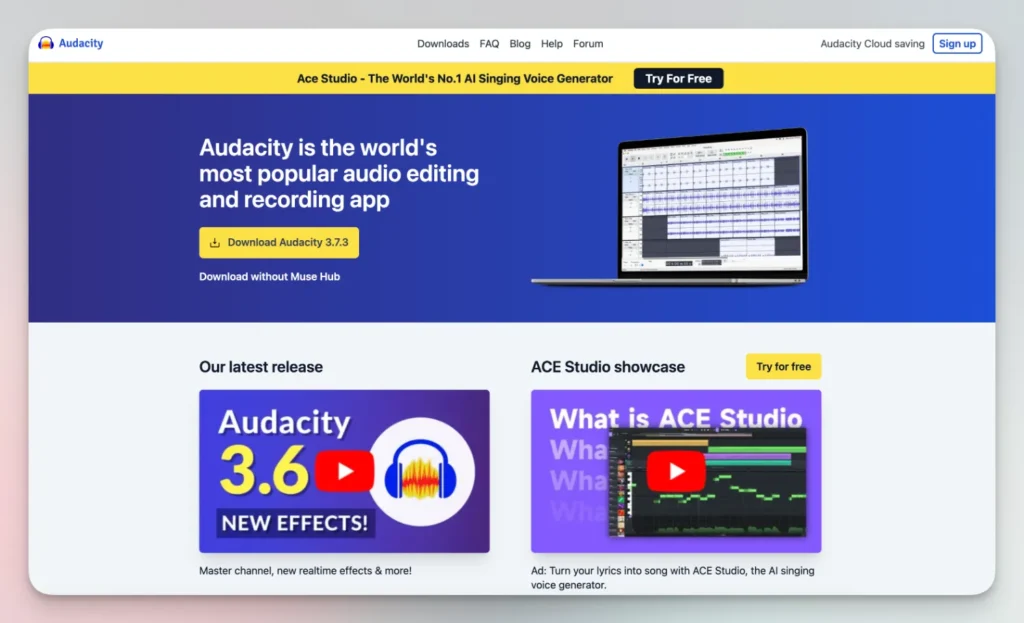
    When you’re ready to get a bit fancier, look into free podcast recording and editing software that can help you polish your sound. Tools like Audacity (available on Windows, Mac, and Linux) or GarageBand (if you’re on a Mac) let you record a podcast and add a professional touch without spending a dime. These apps are pretty straightforward, and you’ll be able to trim out awkward pauses, drop in a short podcast intro, and even layer some podcast music or sound effects underneath your voice. As you edit your podcast, watch your volume levels so that nothing ends up too quiet or too harsh on the ears. You’ll want a smooth, consistent sound that keeps your podcast listeners comfortable as they tune in.

    A handy tip is to record in a quiet, carpeted room to reduce background noise, and speak clearly into your podcast microphone. Once you’re done, open up your editing tool and focus on the basics: cut out long silences, chop off any random “ums” that bug you, and maybe add a bit of music at the start to set the mood. Experiment with transitions between segments, so your podcast episodes flow naturally. Maybe you’ll add a quick intro and outro or a short snippet of music before you jump into the main talk. The first few times you record your podcast, you might feel unsure about which parts to trim or how to blend in music. Don’t sweat it—just play around and learn as you go. Over time, you’ll get a feel for what sounds good.

    As you gain confidence, you can try out more advanced editing tricks. Things like equalization (to make your voice sound warmer), compression (to even out volume levels), or light noise reduction can help you achieve a good podcast sound. Don’t try to become an editing wizard overnight, though. When you start a podcast for free, keep it simple. Your priority is getting your new podcast out there, learning from feedback, and putting out a steady stream of podcast content that keeps folks coming back. Your first few attempts might not sound perfect, but that’s totally fine. With each first podcast recording session, you’ll feel more at ease, and it’ll show in your edited podcast.

    If you feel stuck, there are countless free tutorials online that walk you through each step of using Audacity or GarageBand. It’s like having a friendly coach on standby. Plus, if you’re planning to publish your podcast to major podcast directories, including apple podcasts or spotify for podcasters, a bit of light editing can make you stand out. Ultimately, the goal isn’t to be a pro editor—it’s to share your story, connect with others, and distribute your podcast in a way that feels natural. Keep it low pressure, keep learning, and soon you’ll be zipping through the editing process like it’s no big deal.


    Where Can You Find Podcast Music and Craft a Great Podcast Intro That Listeners Love?

    Finding podcast music doesn’t mean blowing your budget. There are plenty of royalty-free music libraries online where you can snag a short, catchy piece for free. A good podcast intro can set the tone for your whole show. It’s often just a few seconds of music plus a quick welcome. Think about what best represents your new podcast. Is it fun and lighthearted or thoughtful and serious? Choose podcast music that fits your vibe.

    Once you have your intro and maybe an outro to wrap things up, you’ve got a consistent sound that listeners will recognize each time. Adding these little touches makes your show feel more professional. It also helps you stand out among the thousands of other shows on apple podcasts and podcast directories. Don’t forget to keep it short—listeners appreciate when you get to the point. Make that intro count, and you’ll be well on your way to producing a successful podcast.


    How to Decide on a Podcast Format and Create Eye-Catching Podcast Cover Art?

    Choosing a podcast format might feel tricky, but don’t stress. Do you want your show to be interview-style, solo commentary, a roundtable with friends, or a narrative series? Pick what feels right for your podcast topic and personal style. Every podcast format has its perks. A simple solo format is easy to produce, while interviews can bring fresh perspectives. Once you settle on a format, stick with it for a few episodes to see if it clicks.

    Next, you’ll need podcast artwork. This is often the first thing folks see when they come across your show. A simple design with your podcast title and maybe a related image can do wonders. You can create a podcast cover art using free online tools like Canva. Make sure your podcast artwork looks good as a small thumbnail, because that’s how most people see it on podcast apps. Good podcast art is like a billboard for your show—it should catch the eye and give people a clue about what you’re all about.

    spotify podcast

    How Do You Distribute Your Podcast to Spotify for Podcasters and Other Podcast Directories?

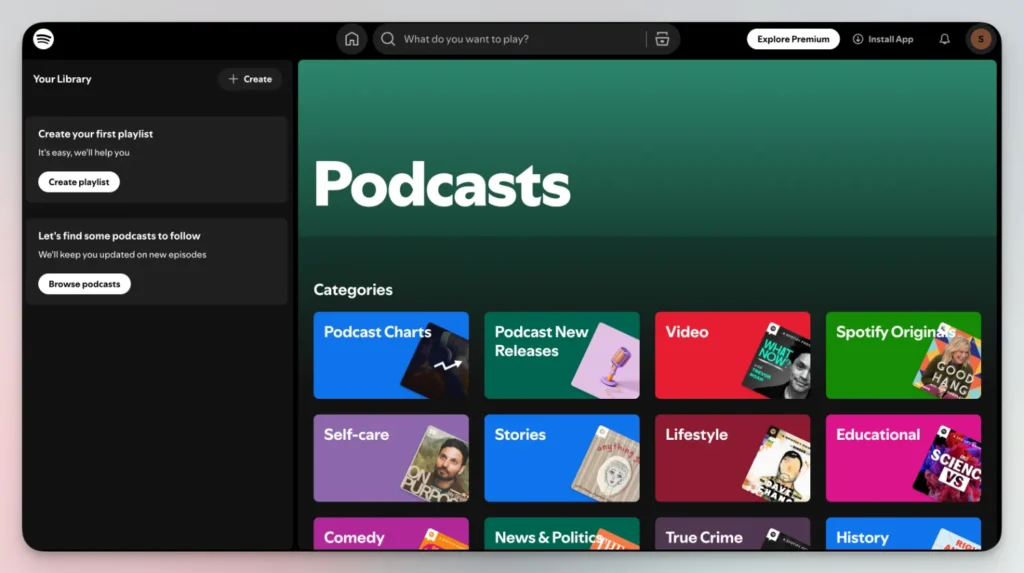
    After you’ve got a few episodes ready, it’s time to distribute your podcast. You can use a podcast hosting platform (some are free) to get your show out there. Many folks start a podcast for free using a free podcast hosting service that generates your show’s RSS feed. With that RSS feed, you can distribute your podcast to directories like apple podcasts, spotify for podcasters, Google, and more. Getting your show listed is key to reaching more podcast listeners.

    Once you submit your show, it can take a few days before it appears in different podcast directories. After that, new episodes you publish will show up automatically. Make sure your podcast description is clear and includes some keywords related to your podcast topic. This helps people find you when they search. Once you’re live, monitor your podcast analytics to see how many folks are tuning in. With time, you’ll gain insights into your audience and what they enjoy.


    How to Publish Your Podcast and Start a Podcast in 10 Simple Steps?

    To summarize a straightforward process:

    1. Pick a podcast topic you’re excited about.
    2. Name for your podcast that’s easy to remember.
    3. Record a podcast using basic gear.
    4. Podcast editing: trim and polish your audio.
    5. Podcast artwork: make a simple, clean design.
    6. Podcast hosting platform: find a free or low-cost option.
    7. Get your show on directories like apple podcasts and spotify for podcasters.
    8. Share your podcast links on social media and with friends.
    9. Promoting your podcast: use social media and guest appearances.
    10. Grow your podcast by listening to feedback and trying new things.

    These are the basics to start a podcast in 10 steps. None of this requires a huge upfront cost. You can start a podcast for free by being resourceful. Many people worry about making a popular podcast right away, but that’s not realistic. Focus on building a solid foundation—good sound, a clear direction, and a consistent schedule. Over time, you’ll want your podcast to sound better, attract more listeners, and maybe turn into a successful podcast. Patience and persistence are key.


    How Can You Promote and Monetize Your Podcast Without Spending a Fortune?

    Promoting your show doesn’t mean throwing money at ads. You can grow your podcast by sharing clips on social media, talking about it on other platforms, or asking friends to spread the word. Consider featuring podcast guests with their own audiences. When they appear on your show, they might share it with their followers. Connect your show notes to helpful resources, tag relevant people on social, and consider a podcast website where you can post transcripts or extra content. It’s all about being present where your podcast listeners hang out.

    Monetize your podcast once you have a stable audience. You don’t need thousands of listeners. Even a small, loyal audience can support you through donations, memberships, or affiliate links. Some podcasters integrate short sponsor messages within their episodes. Just keep it genuine and relevant. Monetizing should never compromise your content quality. Remember, your main goal is to deliver good podcast episodes and keep listeners coming back for more.

    If you’re just starting out, monetizing might feel like a far-off goal. That’s okay. Focus on building trust and producing an edited podcast that sounds good. Over time, as you publish your podcast more consistently, you’ll have opportunities to turn your passion into income. Just don’t rush it. Quality, authenticity, and consistency count more than quick bucks.


    FAQs and Troubleshooting Your New Podcast Journey

    Q: “What is a podcast?”
    A: A podcast is basically an audio show you can listen to on-demand. It’s like listening to a friend talk, interview someone, or tell a story, but on your schedule. You can create a podcast about anything—sports, cooking, business—anything goes.

    Q: I want to start a podcast but feel stuck. Any tips?
    A: If you want to start a podcast and don’t know how, just begin with the simplest steps. Record a podcast on your phone, pick a basic podcast hosting service, and share your first episode with close friends. You’ll learn a ton by doing. Also, remember that your first episodes don’t have to be perfect. Aim for progress, not perfection.

    Q: How do I handle a remote podcast with guests in different locations?
    A: Try free podcast recording software like Zoom, Cleanfeed, or Skype with a recording add-on. Make sure your guests wear headphones to avoid echo. You can always edit out background noises later.

    Q: How do I choose a good podcast mic?
    A: Start cheap. A USB mic from your local electronics store or an affordable model online works well enough. As your show grows, consider upgrading. A good podcast mic can run under $100 and still produce decent sound.

    Q: Can I make a video podcast version and put my podcast on youtube?
    A: Sure, if you’ve got the time. Filming yourself while you record a podcast lets you share it on youtube, which can attract a different audience. Just keep in mind the extra editing time.

    Q: How do I come up with a podcast description that attracts listeners?
    A: Keep your podcast description short, clear, and packed with relevant keywords. Mention your podcast topic, who it’s for, and what kind of content people can expect. Make it sound casual and friendly—like you’re describing the show to a buddy.

    Q: What about choosing a podcast name?
    A: Picking the right podcast name is important. Brainstorm a few that reflect your topic and tone. Make it short, easy to spell, and memorable. If you’re stuck, ask friends for feedback.

    As you continue your podcast journey, you’ll probably face hiccups—maybe struggling with podcast analytics, dealing with a tricky podcast recording, or needing to tweak your podcast script. Don’t panic. One of the best ways to learn is by trial and error. If your format isn’t working, try something else. If your sound quality is poor, try recording in a quieter spot or putting a blanket over hard surfaces. If you stumble over words, write a loose script. Each small improvement will help your show stand out.

    If you find that one approach doesn’t suit you, try another podcast tactic. Maybe changing your podcast studio setup or cutting your episodes shorter helps. Maybe inviting podcast guests changes the vibe in a good way. If promoting your podcast feels hard, tap into social communities, and ask for feedback. Remember, everyone started somewhere. Even the top podcast creators started with zero listeners. Keep tinkering and having fun. Over time, you’ll build a stable audience. In a year, you might look back at your start a podcast days and feel proud of how far you’ve come.


    Bullet Point Summary: Key Takeaways

    • Start a podcast by using what you have, even a phone.
    • Keep it simple, and don’t worry about fancy gear.
    • Choose a podcast hosting platform that’s free or cheap.
    • Plan a podcast topic you’re passionate about.
    • Record a podcast and make small audio edits with free tools.
    • Add podcast artwork, a quick intro and outro, and maybe some background music.
    • Distribute your podcast to apple podcasts, spotify for podcasters, and other podcast directories.
    • Experiment with your podcast format until it feels right.
    • Use social media and promoting your podcast strategies to attract podcast listeners.
    • Over time, monetize your podcast with sponsors or memberships.
    • Track your podcast analytics and adjust as needed.
    • Stay patient, keep learning, and always remember why you decided to start a podcast in the first place.

    In the end, if you’re still on the fence, just remember: it’s never been easier to start a podcast for free and share your voice with the world. So go ahead—start a podcast and keep growing step by step.

  • Best WordPress Podcast Plugins for 2024: Top Picks and Reviews

    Best WordPress Podcast Plugins for 2024: Top Picks and Reviews

    If you’re curious about the best WordPress podcast plugins for 2024, you’ve landed in the right place.
    This article explains what makes certain podcasting plugins shine, how they can fit your style, and what features stand out.
    It’s worth reading because it pulls together honest takes on top plugin options, saving you time and effort as you work on a solid podcast website.

    1. What Are Plugins for WordPress and Why Do You Need Them for Your Podcast Website?

    Using a plugin on your WordPress site is basically like adding a new tool to your toolbox.
    For podcasts, a plugin for WordPress can simplify tasks like publishing a podcast episode, adding a sleek podcast player, generating a podcast feed, or pulling in episodes from your podcast hosting platform.
    Without a plugin, handling your audio player and managing episodes can be clunky.
    With plugins for WordPress, you can make your podcast website look and feel like a studio designed just for your listeners.

    A solid wordpress podcast plugin can speed up how you upload episodes to your wordpress site.
    You can set up a simple podcast workflow right inside your wordpress dashboard, turning what used to be a headache into something pretty chill.
    For those who want to offer a best podcast experience, a plugin helps you integrate a podcast player directly on your wordpress website, so visitors can hit play anywhere on your wordpress site and enjoy your latest show.

    2. How Can a Podcast Plugin for WordPress Help Grow Your Show?

    A podcast plugin for WordPress can help you share your podcast content widely.
    By using podcasting plugins, you get features like a built-in podcast player, rss feed generation, and podcast subscribe buttons.
    These elements encourage podcast listeners to tune in, stick around, and share your show.
    A plugin often includes extra goodies like integration with multiple podcast directories.
    This expands your reach, making it easier for people to subscribe to your podcast.

    A well-chosen wordpress podcasting plugin can tie your podcast hosting and wordpress hosting together.
    This smooth connection means new podcast episodes appear on your wordpress site as soon as they go live, no extra steps required.
    When you manage podcast episodes directly from your site, it feels like your own personal podcast platform right on your homepage.
    This approach can help grow your podcast audience since it encourages visitors to your podcast to keep coming back.

    3. Which Podcasting Plugins for WordPress Offer a Simple Podcast Setup?

    Some podcasting plugins for wordpress stand out when it comes to ease of use.
    You can find a simple podcast solution with just a few clicks.
    A wordpress plugin that’s user-friendly lets you add a podcast player, push out your podcast feed, and even link to your podcast hosting service without complex steps.
    You don’t need to be a tech wizard.
    With a simple podcast plugin, uploading your podcast files and handling your rss feed is as easy as uploading a blog post.

    Choosing wordpress podcasting plugins that prioritize a beginner-friendly setup can make all the difference.
    For instance, seriously simple podcasting is known for a quick start.
    Your wordpress site can host your podcast episodes directly, or it can pull them in from an external podcast hosting provider.
    This means you can focus on your content, not the technical stuff.
    If you’re feeling stuck, look for a plugin that offers a free version to test the waters.

    4. Is Seriously Simple Podcasting the Best WordPress Podcast Plugin in Terms of Ease of Use?

    Seriously simple podcasting is often considered one of the best wordpress podcasting plugins for beginners.
    The name says it all.
    It’s a wordpress podcast plugin that gets straight to the point: you can publish and manage podcast episodes right from your wordpress dashboard without feeling lost.
    This plugin gives you a podcast player that’s clean and easy to customize, making sure you offer a best podcast listening experience.
    You can connect it to a podcast hosting service to handle storage while using your wordpress site as the front-end hub.

    By going with seriously simple podcasting, you can set up a podcast feed in just a few steps.
    It supports multiple podcast formats and integrates with your wordpress website seamlessly.
    If you’re looking for a plugin that keeps complexity low and results high, this could be a top choice.
    Its free version is generous enough to get you started before you consider paid add-ons.
    For many podcasters, this plugin reduces the friction of handling new podcast episodes and helps you post to multiple podcast directories without extra hassle.

    5. What Makes Podlove Podcast Publisher a Solid Plugin for WordPress?

    The podlove podcast publisher stands out as a flexible podcasting plugin.
    This plugin for wordpress puts customization front and center, letting you craft the exact podcast player layout that fits your style.
    You can fine-tune your podcast feed, ensuring your show’s metadata is spot-on.
    If you want a polished experience for podcast listeners, podlove podcast publisher can help.
    Managing your podcast episodes with this plugin often feels smoother than juggling separate tools.

    Using podlove podcast publisher has another perk: it can pull in a podcast feed from anywhere and integrate it into your wordpress site.
    This plugin adds advanced analytics, giving you data about your podcast subscribers.
    If you want to grow your podcast, insights from your stats can guide you.
    Whether you host your podcast externally or locally, this wordpress plugin offers features that cater to both beginners and pros looking to refine their workflow.

    6. How Does Simple Podcast Press Improve Your Podcast Player Experience?

    Simple podcast press is a plugin that lives up to its name, making it easy to add a podcast player anywhere on your wordpress site.
    By installing this wordpress plugin, your podcast episodes are automatically brought in, complete with show notes and timestamps.
    This plugin also generates podcast subscribe buttons, encouraging visitors to sign up for fresh content.
    It’s not just a simple podcast player; it’s a tool that helps you host your podcast in a user-friendly way.

    With simple podcast press, you can customize the look of the podcast player to match your wordpress theme.
    Your audio player can fit right into the style of your brand, offering a best podcast experience that feels integrated.
    If you run multiple podcast shows, this plugin can handle them too, making it perfect for podcasters who juggle various podcast productions.
    By using this plugin, you can turn your wordpress site into a true podcast platform that encourages podcast listeners to stay longer.

    7. Can You Integrate Podcast Hosting Services Seamlessly with WordPress Hosting and Podcasting Plugins?

    Yes, you can tie podcast hosting services directly into your wordpress site by choosing the right podcasting plugins.
    A good wordpress podcast plugin often works hand-in-hand with a dedicated podcast hosting provider, allowing you to import podcast episodes as wordpress posts without fuss.
    This plugin-based approach means when you publish a new episode on your podcast hosting platform, it can appear right on your wordpress website.
    Your show won’t miss a beat.

    With such integration, you can have your podcast feed generated automatically, and those episodes can be displayed via an attractive podcast player.
    This arrangement makes it simple to grow your podcast audience, as each episode is right there for visitors on your wordpress site.
    No need to jump between different systems.
    Your wordpress dashboard becomes your command center, saving time and streamlining tasks like managing your podcast episodes and distributing them to multiple podcast directories.

    8. How Do You Choose the Best WordPress Podcasting Plugins for Your Podcast Website?

    Picking the best wordpress podcast plugin means looking at features that match your needs.
    Ask yourself: do you want a plugin that imports a podcast feed from an external service, or do you plan to host your podcast audio locally?
    Are you interested in extra options like podcast subscribe buttons, a customizable podcast player, or detailed analytics?
    Does it matter if there’s a free version to start with?

    Consider how the plugin fits with your wordpress theme and other wordpress plugins you might be running.
    A plugin for wordpress should not slow down your site.
    Look for one that feels lightweight and offers good support.
    Some podcasting plugins will come with built-in tools to grow your podcast, integrate with your podcast hosting, and add podcast subscribe buttons.
    Focus on features that help you promote your podcast and engage listeners.
    The best podcast experience isn’t just about audio quality, but also how easy it is for your audience to subscribe to your podcast and find what they need.

    9. What Are the 7 Best WordPress Podcast Plugins Available in 2024?

    When it comes to wordpress podcast plugins for 2024, there are a handful that stand out.
    We’ve looked at some top picks, so let’s highlight 7 best wordpress podcast plugins that give you plenty of bang for your buck.

    1. Seriously Simple Podcasting:
    This is one of the best wordpress podcast plugin options for newbies.
    The plugin keeps things straightforward, offering a super clean interface and easy management of podcast episodes.
    You get podcast subscribe buttons, rss feed setup, and smooth integration with a podcast hosting service.
    If you need a place to start, this plugin is a top contender.

    2. Podlove Podcast Publisher:
    This podcasting plugin lets you customize a podcast player that fits your brand.
    It’s known for advanced analytics and detailed podcast feed tweaks.
    If you want more control over formatting and a flexible approach, this plugin offers that.

    3. Simple Podcast Press:
    If your priority is to host your podcast right on your wordpress website and keep things looking neat, this plugin is for you.
    It automates plenty of steps, from importing new podcast episodes to adding show notes.
    Your audio player can match your wordpress theme with minimal effort.

    4. PowerPress:
    PowerPress is the best for handling a robust podcast feed and offering tons of options, including easy connections to multiple podcast directories.
    It’s a plugin that’s well-known among many podcast creators and has been around for a while, making it a reliable choice for managing your podcast episodes.

    5. Fusebox (formerly Smart Podcast Player):
    This plugin brings a polished podcast player to your site.
    It’s built with listener experience in mind, offering a sleek design and easy subscribe options.
    If style and user experience matter, this plugin is solid.

    6. Podcast Importer:
    This plugin can pull your existing podcast into your wordpress site without a hassle.
    It’s handy if you’ve been hosting your show elsewhere but want to integrate it directly to your wordpress dashboard.
    It can import podcast episodes as wordpress posts, making them easy to organize.

    7. Podbean’s WordPress Plugin:
    Podbean’s tool connects you with their podcast hosting and smooth distribution features.
    If you already use Podbean, this plugin is a no-brainer.
    It keeps everything under one roof, from publishing to stats.

    These are some of the best wordpress podcast plugins available right now.
    By choosing any from this list of the best wordpress options, you’re likely to find a fit that helps you promote your podcast, manage podcast episodes, and create a simple podcast experience right on your wordpress site.

    10. Are There FAQs About Podcasting Plugins for WordPress That Can Help You Decide?

    Q: Can I host your podcast on my wordpress site without a separate podcast hosting provider?
    A: Yes, you can.
    Some podcasting plugins let you store podcast files directly on your wordpress hosting.
    Keep in mind that large files may slow your site, so a dedicated podcast hosting platform might be a better choice for performance reasons.

    Q: Will a wordpress podcasting plugin help me grow your podcast audience?
    A: A good plugin can definitely help grow your podcast audience.
    By making it easy for visitors to subscribe to your podcast, listen through a good podcast player, and share episodes, you’re nudging them to come back for more.
    Podcast subscribe buttons and direct access to your show on your wordpress website make it simpler to gain podcast listeners.

    Q: Do I need a free wordpress plugin to start my podcast website, or should I pay for premium features?
    A: Starting with a free version is a good idea, especially if you’re new.
    Many podcasting plugins offer a free wordpress plugin option, letting you try basic features before upgrading.
    This helps you see if the plugin fits your workflow and podcast content style before spending money.

    Q: Can I import my existing podcast into my wordpress site easily?
    A: Yes, some podcasting plugins, like Podcast Importer, can pull in your podcast feed and import podcast episodes as wordpress posts.
    This is handy if you’ve been hosting episodes on another platform and now want them displayed right on your wordpress website.

    Q: Will a podcast plugin for wordpress help me manage podcast episodes more efficiently?
    A: Absolutely.
    A wordpress podcasting plugin simplifies managing your podcast episodes.
    They often provide a clear user interface, making it painless to organize podcasts into categories, schedule episodes, and keep track of your library.
    Less time spent fiddling means more time focusing on podcast content quality.

    Q: Can I use multiple podcasting plugins at once?
    A: You could, but it’s best not to pile on too many.
    Too many plugins for wordpress can slow things down.
    Try to find one or two podcasting plugins to help accomplish your main goals.
    It’s about finding a plugin that checks most of your boxes in one package.

    Q: Will these podcasting plugins integrate with my wordpress theme seamlessly?
    A: Most well-coded wordpress podcasting plugins are designed to fit nicely into any wordpress theme.
    They often give you shortcodes or blocks to place your podcast player anywhere on your wordpress site.
    This flexibility helps your site’s design and podcast content blend together smoothly.

    Q: Can I manage multiple podcast shows on the same wordpress website?
    A: Many podcasting plugins do support multiple podcast feeds.
    This means you can run multiple podcast series from the same wordpress site.
    It’s useful if you produce several shows and want them all under one digital home.

    Q: Can I monetize your podcast using these plugins?
    A: While some podcasting plugins provide features like dynamic ads (watch the forbidden words list—use another term: “ad insertion”) or referral links, full monetization often depends on how you handle your podcast hosting and advertising partners.
    The plugin can help display your episodes and improve your audience experience, which can indirectly help when you decide to monetize your podcast.

    Q: Will these tools help if I have a popular podcast already, or are they just for beginners?
    A: The best podcasting plugins work for everyone, from novices to seasoned hosts.
    If you have a popular podcast, you’ll appreciate features like better analytics, custom players, and strong integration with podcast directories.
    In that sense, a good plugin grows with you as your show expands.