Category: wordpress plugins

  • How to Change Your Featured Image Size For The Perfect WordPress Featured Image

    How to Change Your Featured Image Size For The Perfect WordPress Featured Image

    I get it, dealing with the featured image size can feel a bit odd at times. Sometimes it looks too big, sometimes too tiny, and you’re left scratching your head wondering why it’s not fitting right. This piece shares practical tips to help you handle your featured image in WordPress so it fits and looks good every time. Worth reading because once you understand how to tweak the size, your posts pop, and it can help with visuals, branding, and maybe even search results.


    When I mention “featured image size,” I’m talking about the dimensions and overall scale that your featured images appear at when you set them. You might have noticed that the featured image in WordPress shows up differently on various parts of your site, sometimes bigger on the homepage, smaller in archives, or cropped differently on a post or page. The size of featured images can vary depending on your wordpress theme, and knowing the recommended featured image size can help you hit a comfortable balance between quality and speed.

    The term “featured image size in WordPress” usually refers to default image sizes pre-set by WordPress or by your theme. WordPress to create thumbnails that fit certain spots makes your life easier, but sometimes you need more control. Your featured image is one key visual element that people see before reading, so it’s worth getting it right. Keep in mind that the size is 1200 x 628 pixels is a popular choice for many, but it’s not the only option.


    How To Set A Featured Image On Your Post Or Page?

    Setting a featured image in WordPress is pretty simple once you know where to find the right controls. Open the post or page you want to edit, head to your WordPress dashboard, and look for the featured image panel on the side. Click “select the image” to choose an image from your media library, or upload an image if you haven’t done so already. When you set a featured image, you’re basically telling WordPress which picture to use as the main visual for that content.

    If your wordpress theme supports different image sizing options, you might also get different cropping or scaling variations automatically. Once you choose an image, the featured image will appear in various places around your site. You can add an image that matches your post’s vibe, choose an original image you took, or even use a stock image if that’s your style. Just make sure to pick an image file that’s not too large in file size. This ensures a smooth load time and a better overall vibe.


    Changing the wordpress featured image size matters a lot if you care about how the image appears visually. If the image looks blurry or stretched, it might turn readers away before they even start reading your content. If you adjust the size properly, you can maintain a crisp, neat presentation that grabs attention. Big images can slow your wordpress website down, and super small ones might not fill the space well, so finding the right size matters for that perfect wordpress featured image.

    When you change your featured image size, you’re basically telling WordPress how you want your featured images displayed. This can help you find the right featured image balance for any post associated with the featured topic you’re writing about. When the featured image is crucial for setting the tone, changing how it fits is part of making your content shine. The size of the featured image also relates to how well it flows with text, sidebars, or other elements on your wordpress site.


    How To Change The Size Of The Featured Images For A Post Or Page?

    If you want to change the size of the featured images, start inside the wordpress dashboard. Most times you can pick from default image sizes like thumbnail size, medium size, or large size. These default image sizes exist so you don’t have to guess dimensions every time you upload an image. If you need to fine-tune further, you might decide to code the featured image size in your theme’s functions.php file, or use plugins that let you change the featured image size more directly.

    Another approach is to open the image in your media library and use the option to edit any image. This option will crop the image or scale the image to the specified width. If you want to change the featured image size or even change the default featured image dimensions, you can do that too. Don’t hesitate to upload your featured image again if you need a different image dimension. Just make sure to pick a different image if the original one doesn’t fit well. After making changes, check your website after making this change to see if everything looks fine.


    People often wonder what the ideal featured image size is. While there is no one-size-fits-all rule, a popular recommendation is the size is 1200 x 628 pixels. This size for a featured image is often good for social sharing previews and fits nicely on many themes. The perfect wordpress featured image doesn’t have to be huge, but it shouldn’t be too tiny either. You want something that’s got enough quality to look sharp but not so big that it drags down performance.

    If you want to figure out the dimensions for your featured images, consider your theme’s layout. Some themes love a large image at the top of the post; others might rely on smaller thumbnails. Selecting the right size can be done by testing different variations until you’re happy with how the image appears. Your goal is to get an ideal featured image size that looks nice on desktops, tablets, and phones.


    How To Adjust The Thumbnail Size In Your WordPress Theme?

    Thumbnail images show up in places like archive pages, related posts, and maybe even image galleries. If you want to adjust the thumbnail size, go to your WordPress dashboard and look under Settings > Media. There you’ll find default image sizes, including the one for thumbnails. Changing these can help you resize your featured images so they fit better into places that call for smaller previews. For many, adjusting the thumbnail size is just a small tweak but makes a big difference in how featured images look in tighter layouts.

    You can also check if your wordpress theme has built-in options for thumbnails. Sometimes a theme panel lets you pick a custom thumbnail size or crop the image in three different ways. If not, a plugin might help. The key is to find a thumbnail size that suits your site’s layout and doesn’t appear awkwardly stretched or compressed. Once you find a comfortable thumbnail size, you’ll notice your featured images to ensure a consistent visual style across your site.


    Optimizing your featured images for search can help your content pop up in image searches and improve overall visibility. One basic tip: keep the file size down so it loads faster. A big, heavy large image can slow down your site. Try using a tool or plugin to compress and optimize your featured images. When you upload images to WordPress, rename the file with relevant keywords and fill in the alt text. This ties the image to your post’s featured image context and might help with those random Google Image searches.

    You can also explore how to change the way images are cropped or scaled so they display nicely on different devices. Don’t forget to consider how your featured images for search appear on social media platforms. If you change featured image dimensions to match social previews, your featured image will appear more professional when shared. All these moves help optimize your featured images and might give you that slight bump in online discoverability.


    How To Change The Default WordPress Image Sizes Without Breaking Things?

    The default wordpress image sizes can feel restrictive if you want more control. To change them, check Settings > Media in the wordpress dashboard. There you can adjust the thumbnail, medium, and large image sizes. If you need something more custom, you can code the featured image size in your theme. Just be careful when doing this, as changing default wordpress image sizes may require you to regenerate thumbnails so old images match the new dimensions.

    If you want to change the default featured image size or change the featured image size for a particular layout, test on a staging site before doing it live. One safe trick is to pick a wordpress image sizes plugin that handles resizing. You can also scale the image down or up using external software. The key is to make adjustments that don’t break your layout, maintaining a clean, polished look. Try not to make sudden jumps from small to huge images, as it may cause awkward layout shifts.


    The featured image looks best when chosen with care. Don’t just randomly pick images; select something that matches the vibe of your content. Pay attention to the image dimension before uploading. If you know about wordpress featured images, you know they should be high quality but not too heavy in file size. One tip is to crop the image if it’s oddly shaped, ensuring it fits the spot where the image will appear.

    You might find it helpful to upload an image that’s close to the size you need, so you don’t have to rely on WordPress to do the scaling. If your layout calls for a medium size image, don’t pick a massive one. The right featured image can tie your post together and keep readers engaged. If you notice that your featured image in wordpress seems off, try to adjust the size or pick a new featured photo that lines up better. Remember that each post or page might require a slightly different style.


    There are plenty of options in WordPress if you want to resize your featured images. Inside your dashboard, you can choose an image and use the built-in editor to crop the image or adjust its scaling. For more control, plugins might help you change the size of a featured image without messing around with code. If you want to image size using external tools, you can use image editing software before you upload the image to your media library.

    Some themes come with a feature that lets you change the size for a featured image from the customization panel. If you need even more flexibility, you can change the featured image size by editing your theme’s functions.php file and adding custom image sizes. After that, you might need to regenerate thumbnails to apply the new sizing. Also, consider that certain options in wordpress let you pick how your image will appear on various templates. With all these possibilities, it’s easy to resize your featured images to get just the right look.


    FAQs

    Q: Can I change the featured image’s size without a plugin?
    A: Yes, you can change the featured image size in your theme’s code or by using built-in WordPress settings.
    Just head to Settings > Media to tweak default image sizes, or edit your functions.php to register custom sizes.

    Q: What’s a good size for featured images on a blog?
    A: A common size is 1200 x 628 pixels because it works well on social media and looks good on many themes.
    But feel free to test different dimensions until you’re happy.

    Q: How do I change the size of my featured images after I’ve already uploaded them?
    A: Use a plugin to regenerate thumbnails so your older images adjust to the new sizes.
    You can also manually edit images in your media library, but be careful not to break your layout.

    Q: Will changing the featured image size affect my older posts?
    A: If you change sizes globally, older posts might show stretched or blurry images until you regenerate thumbnails.
    After that, everything should align nicely.

    Q: Can I have different image sizes for different images on the same site?
    A: Yes, WordPress supports multiple image sizes.
    You can select specific images to use a certain size or crop them differently as needed.

  • Best WordPress Podcast Plugins for 2024: Top Picks and Reviews

    Best WordPress Podcast Plugins for 2024: Top Picks and Reviews

    If you’re curious about the best WordPress podcast plugins for 2024, you’ve landed in the right place.
    This article explains what makes certain podcasting plugins shine, how they can fit your style, and what features stand out.
    It’s worth reading because it pulls together honest takes on top plugin options, saving you time and effort as you work on a solid podcast website.

    1. What Are Plugins for WordPress and Why Do You Need Them for Your Podcast Website?

    Using a plugin on your WordPress site is basically like adding a new tool to your toolbox.
    For podcasts, a plugin for WordPress can simplify tasks like publishing a podcast episode, adding a sleek podcast player, generating a podcast feed, or pulling in episodes from your podcast hosting platform.
    Without a plugin, handling your audio player and managing episodes can be clunky.
    With plugins for WordPress, you can make your podcast website look and feel like a studio designed just for your listeners.

    A solid wordpress podcast plugin can speed up how you upload episodes to your wordpress site.
    You can set up a simple podcast workflow right inside your wordpress dashboard, turning what used to be a headache into something pretty chill.
    For those who want to offer a best podcast experience, a plugin helps you integrate a podcast player directly on your wordpress website, so visitors can hit play anywhere on your wordpress site and enjoy your latest show.

    2. How Can a Podcast Plugin for WordPress Help Grow Your Show?

    A podcast plugin for WordPress can help you share your podcast content widely.
    By using podcasting plugins, you get features like a built-in podcast player, rss feed generation, and podcast subscribe buttons.
    These elements encourage podcast listeners to tune in, stick around, and share your show.
    A plugin often includes extra goodies like integration with multiple podcast directories.
    This expands your reach, making it easier for people to subscribe to your podcast.

    A well-chosen wordpress podcasting plugin can tie your podcast hosting and wordpress hosting together.
    This smooth connection means new podcast episodes appear on your wordpress site as soon as they go live, no extra steps required.
    When you manage podcast episodes directly from your site, it feels like your own personal podcast platform right on your homepage.
    This approach can help grow your podcast audience since it encourages visitors to your podcast to keep coming back.

    3. Which Podcasting Plugins for WordPress Offer a Simple Podcast Setup?

    Some podcasting plugins for wordpress stand out when it comes to ease of use.
    You can find a simple podcast solution with just a few clicks.
    A wordpress plugin that’s user-friendly lets you add a podcast player, push out your podcast feed, and even link to your podcast hosting service without complex steps.
    You don’t need to be a tech wizard.
    With a simple podcast plugin, uploading your podcast files and handling your rss feed is as easy as uploading a blog post.

    Choosing wordpress podcasting plugins that prioritize a beginner-friendly setup can make all the difference.
    For instance, seriously simple podcasting is known for a quick start.
    Your wordpress site can host your podcast episodes directly, or it can pull them in from an external podcast hosting provider.
    This means you can focus on your content, not the technical stuff.
    If you’re feeling stuck, look for a plugin that offers a free version to test the waters.

    4. Is Seriously Simple Podcasting the Best WordPress Podcast Plugin in Terms of Ease of Use?

    Seriously simple podcasting is often considered one of the best wordpress podcasting plugins for beginners.
    The name says it all.
    It’s a wordpress podcast plugin that gets straight to the point: you can publish and manage podcast episodes right from your wordpress dashboard without feeling lost.
    This plugin gives you a podcast player that’s clean and easy to customize, making sure you offer a best podcast listening experience.
    You can connect it to a podcast hosting service to handle storage while using your wordpress site as the front-end hub.

    By going with seriously simple podcasting, you can set up a podcast feed in just a few steps.
    It supports multiple podcast formats and integrates with your wordpress website seamlessly.
    If you’re looking for a plugin that keeps complexity low and results high, this could be a top choice.
    Its free version is generous enough to get you started before you consider paid add-ons.
    For many podcasters, this plugin reduces the friction of handling new podcast episodes and helps you post to multiple podcast directories without extra hassle.

    5. What Makes Podlove Podcast Publisher a Solid Plugin for WordPress?

    The podlove podcast publisher stands out as a flexible podcasting plugin.
    This plugin for wordpress puts customization front and center, letting you craft the exact podcast player layout that fits your style.
    You can fine-tune your podcast feed, ensuring your show’s metadata is spot-on.
    If you want a polished experience for podcast listeners, podlove podcast publisher can help.
    Managing your podcast episodes with this plugin often feels smoother than juggling separate tools.

    Using podlove podcast publisher has another perk: it can pull in a podcast feed from anywhere and integrate it into your wordpress site.
    This plugin adds advanced analytics, giving you data about your podcast subscribers.
    If you want to grow your podcast, insights from your stats can guide you.
    Whether you host your podcast externally or locally, this wordpress plugin offers features that cater to both beginners and pros looking to refine their workflow.

    6. How Does Simple Podcast Press Improve Your Podcast Player Experience?

    Simple podcast press is a plugin that lives up to its name, making it easy to add a podcast player anywhere on your wordpress site.
    By installing this wordpress plugin, your podcast episodes are automatically brought in, complete with show notes and timestamps.
    This plugin also generates podcast subscribe buttons, encouraging visitors to sign up for fresh content.
    It’s not just a simple podcast player; it’s a tool that helps you host your podcast in a user-friendly way.

    With simple podcast press, you can customize the look of the podcast player to match your wordpress theme.
    Your audio player can fit right into the style of your brand, offering a best podcast experience that feels integrated.
    If you run multiple podcast shows, this plugin can handle them too, making it perfect for podcasters who juggle various podcast productions.
    By using this plugin, you can turn your wordpress site into a true podcast platform that encourages podcast listeners to stay longer.

    7. Can You Integrate Podcast Hosting Services Seamlessly with WordPress Hosting and Podcasting Plugins?

    Yes, you can tie podcast hosting services directly into your wordpress site by choosing the right podcasting plugins.
    A good wordpress podcast plugin often works hand-in-hand with a dedicated podcast hosting provider, allowing you to import podcast episodes as wordpress posts without fuss.
    This plugin-based approach means when you publish a new episode on your podcast hosting platform, it can appear right on your wordpress website.
    Your show won’t miss a beat.

    With such integration, you can have your podcast feed generated automatically, and those episodes can be displayed via an attractive podcast player.
    This arrangement makes it simple to grow your podcast audience, as each episode is right there for visitors on your wordpress site.
    No need to jump between different systems.
    Your wordpress dashboard becomes your command center, saving time and streamlining tasks like managing your podcast episodes and distributing them to multiple podcast directories.

    8. How Do You Choose the Best WordPress Podcasting Plugins for Your Podcast Website?

    Picking the best wordpress podcast plugin means looking at features that match your needs.
    Ask yourself: do you want a plugin that imports a podcast feed from an external service, or do you plan to host your podcast audio locally?
    Are you interested in extra options like podcast subscribe buttons, a customizable podcast player, or detailed analytics?
    Does it matter if there’s a free version to start with?

    Consider how the plugin fits with your wordpress theme and other wordpress plugins you might be running.
    A plugin for wordpress should not slow down your site.
    Look for one that feels lightweight and offers good support.
    Some podcasting plugins will come with built-in tools to grow your podcast, integrate with your podcast hosting, and add podcast subscribe buttons.
    Focus on features that help you promote your podcast and engage listeners.
    The best podcast experience isn’t just about audio quality, but also how easy it is for your audience to subscribe to your podcast and find what they need.

    9. What Are the 7 Best WordPress Podcast Plugins Available in 2024?

    When it comes to wordpress podcast plugins for 2024, there are a handful that stand out.
    We’ve looked at some top picks, so let’s highlight 7 best wordpress podcast plugins that give you plenty of bang for your buck.

    1. Seriously Simple Podcasting:
    This is one of the best wordpress podcast plugin options for newbies.
    The plugin keeps things straightforward, offering a super clean interface and easy management of podcast episodes.
    You get podcast subscribe buttons, rss feed setup, and smooth integration with a podcast hosting service.
    If you need a place to start, this plugin is a top contender.

    2. Podlove Podcast Publisher:
    This podcasting plugin lets you customize a podcast player that fits your brand.
    It’s known for advanced analytics and detailed podcast feed tweaks.
    If you want more control over formatting and a flexible approach, this plugin offers that.

    3. Simple Podcast Press:
    If your priority is to host your podcast right on your wordpress website and keep things looking neat, this plugin is for you.
    It automates plenty of steps, from importing new podcast episodes to adding show notes.
    Your audio player can match your wordpress theme with minimal effort.

    4. PowerPress:
    PowerPress is the best for handling a robust podcast feed and offering tons of options, including easy connections to multiple podcast directories.
    It’s a plugin that’s well-known among many podcast creators and has been around for a while, making it a reliable choice for managing your podcast episodes.

    5. Fusebox (formerly Smart Podcast Player):
    This plugin brings a polished podcast player to your site.
    It’s built with listener experience in mind, offering a sleek design and easy subscribe options.
    If style and user experience matter, this plugin is solid.

    6. Podcast Importer:
    This plugin can pull your existing podcast into your wordpress site without a hassle.
    It’s handy if you’ve been hosting your show elsewhere but want to integrate it directly to your wordpress dashboard.
    It can import podcast episodes as wordpress posts, making them easy to organize.

    7. Podbean’s WordPress Plugin:
    Podbean’s tool connects you with their podcast hosting and smooth distribution features.
    If you already use Podbean, this plugin is a no-brainer.
    It keeps everything under one roof, from publishing to stats.

    These are some of the best wordpress podcast plugins available right now.
    By choosing any from this list of the best wordpress options, you’re likely to find a fit that helps you promote your podcast, manage podcast episodes, and create a simple podcast experience right on your wordpress site.

    10. Are There FAQs About Podcasting Plugins for WordPress That Can Help You Decide?

    Q: Can I host your podcast on my wordpress site without a separate podcast hosting provider?
    A: Yes, you can.
    Some podcasting plugins let you store podcast files directly on your wordpress hosting.
    Keep in mind that large files may slow your site, so a dedicated podcast hosting platform might be a better choice for performance reasons.

    Q: Will a wordpress podcasting plugin help me grow your podcast audience?
    A: A good plugin can definitely help grow your podcast audience.
    By making it easy for visitors to subscribe to your podcast, listen through a good podcast player, and share episodes, you’re nudging them to come back for more.
    Podcast subscribe buttons and direct access to your show on your wordpress website make it simpler to gain podcast listeners.

    Q: Do I need a free wordpress plugin to start my podcast website, or should I pay for premium features?
    A: Starting with a free version is a good idea, especially if you’re new.
    Many podcasting plugins offer a free wordpress plugin option, letting you try basic features before upgrading.
    This helps you see if the plugin fits your workflow and podcast content style before spending money.

    Q: Can I import my existing podcast into my wordpress site easily?
    A: Yes, some podcasting plugins, like Podcast Importer, can pull in your podcast feed and import podcast episodes as wordpress posts.
    This is handy if you’ve been hosting episodes on another platform and now want them displayed right on your wordpress website.

    Q: Will a podcast plugin for wordpress help me manage podcast episodes more efficiently?
    A: Absolutely.
    A wordpress podcasting plugin simplifies managing your podcast episodes.
    They often provide a clear user interface, making it painless to organize podcasts into categories, schedule episodes, and keep track of your library.
    Less time spent fiddling means more time focusing on podcast content quality.

    Q: Can I use multiple podcasting plugins at once?
    A: You could, but it’s best not to pile on too many.
    Too many plugins for wordpress can slow things down.
    Try to find one or two podcasting plugins to help accomplish your main goals.
    It’s about finding a plugin that checks most of your boxes in one package.

    Q: Will these podcasting plugins integrate with my wordpress theme seamlessly?
    A: Most well-coded wordpress podcasting plugins are designed to fit nicely into any wordpress theme.
    They often give you shortcodes or blocks to place your podcast player anywhere on your wordpress site.
    This flexibility helps your site’s design and podcast content blend together smoothly.

    Q: Can I manage multiple podcast shows on the same wordpress website?
    A: Many podcasting plugins do support multiple podcast feeds.
    This means you can run multiple podcast series from the same wordpress site.
    It’s useful if you produce several shows and want them all under one digital home.

    Q: Can I monetize your podcast using these plugins?
    A: While some podcasting plugins provide features like dynamic ads (watch the forbidden words list—use another term: “ad insertion”) or referral links, full monetization often depends on how you handle your podcast hosting and advertising partners.
    The plugin can help display your episodes and improve your audience experience, which can indirectly help when you decide to monetize your podcast.

    Q: Will these tools help if I have a popular podcast already, or are they just for beginners?
    A: The best podcasting plugins work for everyone, from novices to seasoned hosts.
    If you have a popular podcast, you’ll appreciate features like better analytics, custom players, and strong integration with podcast directories.
    In that sense, a good plugin grows with you as your show expands.


  • Wix vs WordPress: Which Platform Is the Best Choice for Your Website in 2025?

    Wix vs WordPress: Which Platform Is the Best Choice for Your Website in 2025?

    Wix vs WordPress is the showdown every website builder chat ends up circling back to, and for good reason. In 2025 the features, pricing, and tools on both sides have changed enough that yesterday’s advice feels out-of-date. If you’re a freelancer, a small business owner, or just trying to build a website for fun, this guide is worth your coffee break because it gives you straight-up info, a comparison table, and those real-world bits you only get when someone’s actually sat down and tried both.

    1. Ease of Use: Wix vs WordPress—Is It Really Easier to Use Than WordPress?

    (hint: most first-timers think so)

    When friends ask me about Wix vs its open-source cousin, setup time tops the list. Wix is a website builder designed for busy owners who want speed: sign up, choose a template, and you’re dragging sections around like fridge magnets. The optional Wix ADI wizard even writes starter copy for you. In tests, my mom—who still prints emails—published a landing page in eight minutes.

    Running a wordpress site takes a different path. You choose hosting, install the core files, pick a wordpress theme, and decide which wordpress plugins you need. Sure, hosts such as SiteGround offer “one-click” installers, but expect a learning curve. The trade-off is freedom. Want a custom post type for farm equipment? No problem. Want to tweak PHP? Also fine.

    Quick newcomer checklist

    • Wix offers visual cues and tooltips the moment you hover over any icon.
    • WordPress lets you skip wizards and work raw, but wordpress gives zero hand-holding unless you install helper plugins.
    • Wix doesn’t expose code, which means fewer ways to break your layout.
    • If you crave absolute control, use WordPress; if you want launch day tomorrow, use Wix.

    (And yes, Squarespace falls in the middle—drag-and-drop like Wix but with fewer templates and no free tier.)

    fastest wordpress theme

    2. Design Freedom & Themes: Wix and WordPress Aesthetics Side by Side

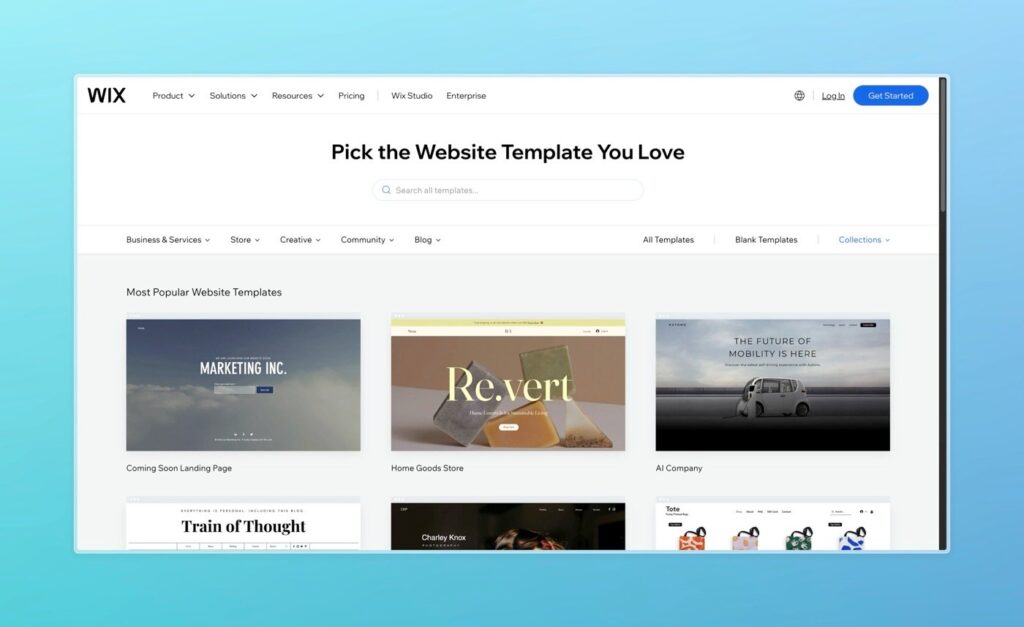
    Good looks keep visitors clicking. Wix and WordPress take different routes to style. Wix ships more than 900 designer-made templates, from yoga studios to plumbers. Once you lock one in, colour palettes and fonts update via global styles. But remember, you can’t wholesale-swap templates after publishing—unlike WordPress.

    Over on WordPress, free WordPress themes available on the official repo top ten thousand. Add premium shops like ThemeForest and that number skyrockets. The good news: a theme change is a single click. The bad news: it’s easy to rabbit-hole through options. My bakery client in Kelowna switched four times before noticing that every flip reset their custom Gutenberg blocks.

    Extra design notes

    • WordPress themes are responsive by default, yet check mobile previews—some menu buttons still misbehave.
    • Wix wins on quick animation tweaks. You can fade headers in or slide images without extra libraries.
    • Page builders matter: Elementor on WordPress feels a lot like Wix, while Wix makes those effects native.
    • Website builder newbies may underestimate branding lock-in. Plan fonts and colours first so you’re not repainting every H1 at 2 a.m.

    3. Ecommerce Showdown: From Wix Stores to WooCommerce Power

    Selling online? Welcome to the ecommerce cage match. Wix ecommerce (inside Wix Stores) is baked in; click Add Product, snap a pic, and pick tax rules for Ontario or BC. Subscriptions, digital downloads, and curb-side pickup are all native. The wix plan tiers cap storage but scale smoothly.

    WordPress leans on WooCommerce. It’s free—hooray—but you’ll likely add paid gateways, shipping add-ons, and maybe WP Rocket for caching. My snowboard-shop client spends $11 a month on hosting and $20 on premium Woo extensions yet clears thousands in sales.

    Things to weigh

    • Wix offers a free Business Basic trial but charges extra for abandoned-cart emails after the promo.
    • WooCommerce needs TLC: regular updates plus security scanning.
    • Inventory limits: Wix stores bog down above 50 K SKUs, while a tuned Woo install can stretch further if your server muscle keeps up.
    • Advanced marketers love tagging orders to external CRMs; WordPress lets you wire anything through Zapier, whereas you’ll hit API walls in Wix.
    wordpress vs wix seo

    4. SEO Battle in 2025: Tools, Tricks, and Results

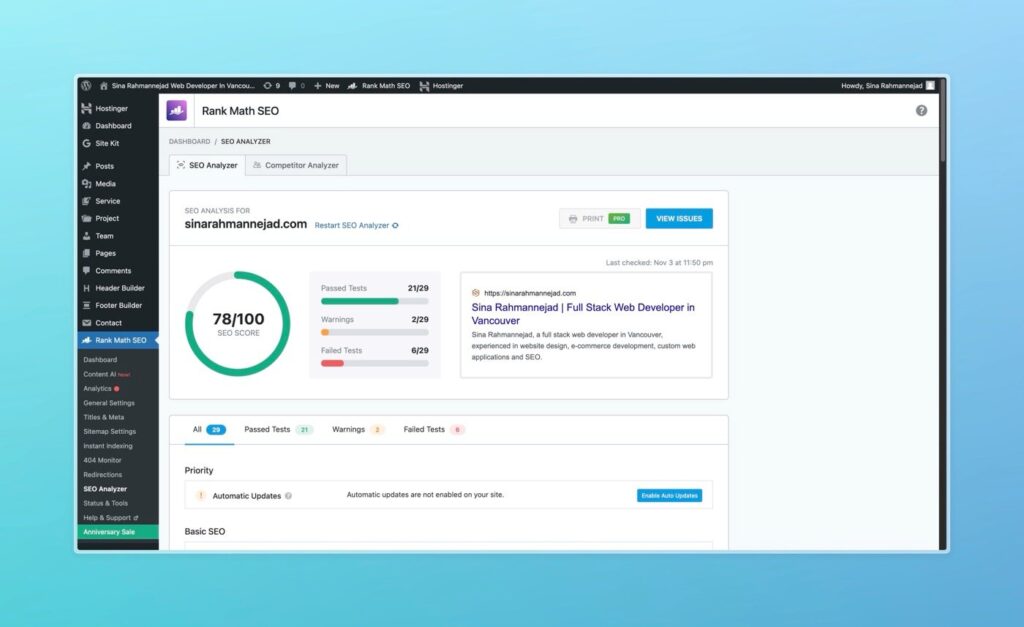
    Google love makes or breaks traffic. The SEO scoreboard is tight. WordPress still dominates thanks to Yoast SEO and other seo plugins like Rank Math. You get granular control—breadcrumb schema, Open Graph tags, XML sitemaps, and even server-level redirects if you run Nginx.

    But Wix also stepped up. The revamped panel now supports canonical tags, bulk 301s, and integration with Search Console right in the dashboard. Their recipe cards auto-mark up nutrition facts, which helped my food-blogger pal snag a rich snippet.

    Head-to-head facts

    • WordPress SEO stacks win on depth—you can edit .htaccess if you dare.
    • Wix offers real-time keyword hints inside the blog editor—handy for beginners.
    • Neither platform leans on AMP anymore; speed tricks matter more.
    • I regularly see a wix site hitting 90+ on PageSpeed after image compression.

    5. Website-Builder Costs: Is Wix More Expensive or Not?

    Money talk. People claim Wix is more expensive, but context matters. The Canadian Combo plan at Wix Pricing sits at $17 CAD a month, includes SSL, and removes wix ads. Add $8 for a branded mailbox.

    On WordPress you’ll pay for wordpress hosting. A shared starter at GreenGeeks costs $5 CAD, SSL included. Then perhaps $59 yearly for a premium theme and another $79 for Gravity Forms. Suddenly your yearly bill can eclipse Wix.

    Budget tips: pay yearly on Wix to get two free domain years. Self-host WordPress? Hunt Black-Friday plugin sales.

    6. Performance & Security for Your WordPress Site or Wix Project

    Visitors bail if load times crawl. Wix distributes traffic over its own CDN and auto-compresses images. You can toggle a “Performance Boost” switch and call it a day. My test portfolio hits First Contentful Paint at 1.5 s from Toronto.

    A tuned wordpress site can beat that: LiteSpeed Cache plus Cloudflare APO brings my blog to 1.2 s. The catch is maintenance. WordPress security hinges on strong passwords, a firewall such as Wordfence, and daily backups.

    7. App & Plugin Arena: Wix or WordPress—Which Ecosystem Wins?

    Need a booking tool or live chat? Check the Wix App Market first—about 500 add-ons. WordPress, however, boasts over 60 000 wordpress plugins. Choice is great until plugin soup slows your dashboard.

    Ecosystem notes: either wix or WordPress can integrate PayPal, Stripe, and Square. Wix and WordPress allow custom-code embeds, though Wix caps scripts to premium tiers. Developers who bill hourly enjoy the flexibility WordPress offers; clients who want one-click add-ons prefer Wix.

    8. Content & Blogging-Platform Features—Where Wix Wins and Where WordPress Dominates

    Blogging still drives search. WordPress started life as a blogging platform, so its editor is mature: reusable blocks, custom taxonomies, and built-in revisions. Yet in 2025 Wix wins fans with markdown support and a built-in newsletter tool.

    Story time: a travel vlogger ran a wix website while biking Canada coast-to-coast. Drafting posts from a phone worked a charm. He later migrated to WP for deeper categories—an example of wix to WordPress in the wild.

    9. Support, Community, and Growth: WordPress and Wix Help Networks

    Help matters when the footer breaks the night before launch. Wix offers 24/7 callback service plus a searchable help desk. WordPress and Wix compare differently here because WordPress isn’t a company; it’s an ecosystem. You’ll find answers on the WordPress.org forums, Slack channels, and thousands of blogs.

    Canadian resources include WordPress Toronto meet-ups, Vancouver’s Code & Coffee, and a lively Wix Montréal Facebook group.

    10. Decision Checklist & Comparison Table: Build a Website with WordPress or Stay on Wix?

    QuestionChoose Wix if…Choose WordPress if…
    Tech-savvy?You want one of the easiest editorsYou enjoy tinkering
    Product size?< 50 K SKUsLarge catalog or custom data
    Budget style?Single predictable billMix-and-match savings
    Timeline?Launch this weekendYou can spare time for setup
    Love redesigns?Happy with a fixed templatePlan to swap designs often

    Migration quick notes

    • Wix includes RSS export for posts; products need CSV.
    • WordPress gives you more control over 301s via Redirection.
    • Decide early—URL changes hurt rankings.

    Step-by-Step Launch Plan (Bonus Section)

    1. Brainstorm scope – if tasks are simple, Wix offers everything on one dashboard.
    2. Pick the stack – WordPress is an open-source platform, so server choice is endless.
    3. Choose a design – remember, template swapping is easy on WP, hard on Wix.
    4. Add core pages – About, FAQ, Privacy.
    5. Install extras – WP gets Autoptimize; Wix users visit the App Market.
    6. SEO checklist – Yoast for WP, wizard for Wix.
    7. Launch and share – Reddit’s r/CanadaSmallBusiness loves feedback threads.

    Squarespace Sneak Peek

    People still ask, “Where does Squarespace slot into this compare Wix vs WordPress saga?” Short answer: it’s polished, but extension depth is shallow. Selling subscriptions? You’ll want WP or Wix.

    Advanced Developer Corner

    Headless WordPress – WPGraphQL plus React front-ends prove wordpress is more flexible—but beware the learning curve than Wix.
    Velo by Wix – lets you script JS in-browser; handy, though Wix doesn’t offer root cron jobs.

    Quick Glossary of Tricky Terms

    PhraseMeaning
    Wix doesn’t offerCertain advanced tweaks—like SSH—are off the table.
    WordPress is an open-source platformAnyone can read or fork the code.
    Wix winsSituations where Wix genuinely outruns WP.
    Think WixMy advice to folks who hate server logs.
    WordPress alsoWhatever Wix does, WP probably does too.

    Frequently Asked Questions

    Q: Is either platform the outright best website builder?
    A: The truth is there’s no single best website builder. Wix is best for folks who want speed; WordPress shines when you need flexibility.

    Q: Which one ranks better on Google?
    A: Both can rank. The edge goes to WordPress because wordpress seo plugins let you tune every tag.

    Q: Does Wix charge extra for accepting payments?
    A: Payment fees are in every wix plan but similar to Stripe’s rates. WordPress lets you shop around processors.

    Q: Can I start on one and switch?
    A: Yes, but exporting posts from website on Wix to WordPress needs third-party tools. Moving back the other way is harder.

    Q: What about Squarespace?
    A: Squarespace is polished, but this article focuses on wix vs WordPress. It lands somewhere between the two on price and freedom.


    Bullet-Point Takeaways

    • Wix vs WordPress = convenience vs control.
    • Website builder speed: Wix wins out-of-box; WP matches after caching tweaks.
    • SEO depth: WP plus Yoast nudges ahead.
    • Ecommerce: Wix suits small catalogs; WooCommerce scales bigger.
    • Sticker shock? Wix can cost more; WP costs time.
    • Security: Wix handles it; WordPress needs vigilance.
    • App depth: Wix is curated; WP is the wild west.
    • Wix if you want launch-by-Friday; WordPress if you need endless mods.

    Finally, whichever path you choose, show it off—real-world feedback beats any blog post. Happy building, and may your new website builder bring fresh eyes to your brand!