Category: Marketing

  • Top ChatGPT Alternatives for 2025: Best Picks

    Top ChatGPT Alternatives for 2025: Best Picks

    As the landscape of artificial intelligence rapidly evolves, users are increasingly seeking advanced AI chatbots beyond OpenAI’s offerings. This guide explores the premier ChatGPT alternatives that are set to dominate in 2025, offering diverse functionalities and superior performance for various needs.

    Introduction to ChatGPT Alternatives

    Understanding the Need for Alternatives

    While ChatGPT has undoubtedly revolutionized human-computer interaction, its limitations and the desire for specialized features have driven the demand for a robust ChatGPT alternative. Many users seek a free ChatGPT alternative or an AI tool with enhanced capabilities in areas like data analysis, coding, or image generation. The market for AI chatbots is expanding, with a diverse array of AI models emerging to cater to specific user requirements, making it crucial to explore alternatives beyond the familiar.

    Criteria for the Best ChatGPT Alternatives in 2025

    When evaluating the best ChatGPT alternatives in 2025, several key criteria come into play. These include the sophistication of the language model, the availability of a free version or a generous free tier, integration with other services like Google Search or Microsoft 365 apps, and specialized functionalities such as web search, coding assistance, or image generation capabilities. We also consider the AI agent‘s ability to summarize information, perform data analysis, and its overall user-friendliness compared to ChatGPT.

    Overview of AI Chatbots Landscape

    The AI chatbots landscape in 2025 is rich with innovative AI-powered tools like ChatGPT. Giants such as Google Gemini, Microsoft Copilot, and Meta AI are prominent, alongside powerful contenders like Claude and Perplexity AI. Many of these AI chatbots offer a free-to-use option, providing users with access to advanced features without a subscription. This dynamic environment means that if you’re looking for an AI writing tool, or just an AI tool for general chat, there are numerous options similar to ChatGPT, and in some cases, even more advanced, available for free.

    Leading ChatGPT Alternatives in 2025

    Claude ai

    Claude: A Strong Contender

    Claude, developed by Anthropic, has emerged as a significant ChatGPT alternative, particularly with its latest iterations like Claude 3.5. This AI model is renowned for its advanced natural language processing capabilities and its commitment to safe and helpful AI, making it one of the best ChatGPT alternatives in 2025 for users who prioritize ethical AI development. While not always a free ChatGPT alternative, Claude often provides a generous free tier that allows users to experience its powerful features, including the ability to summarize complex documents and engage in nuanced chat conversations, setting it apart from other AI chatbots and making it a compelling alternative to ChatGPT.

    Perplexity ai

    Perplexity AI: Innovative Features

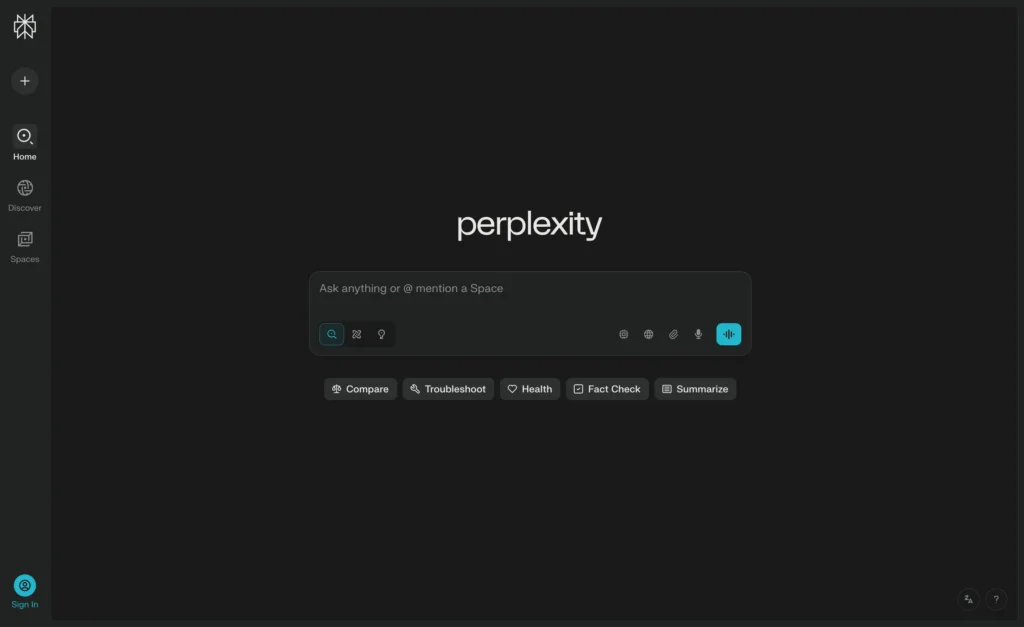
    Perplexity AI distinguishes itself as a premier ChatGPT alternative by integrating a powerful AI chatbot with a robust web search engine, offering a more dynamic and fact-checked experience. Unlike ChatGPT, Perplexity AI is designed to provide sources for its answers, making it an excellent AI tool for research and information gathering. For those looking for an AI that can not only engage in chat but also perform real-time web searches, Perplexity AI stands out. It often offers a free version, allowing users to experience its unique blend of AI capabilities and factual accuracy, solidifying its place among the top ChatGPT alternatives that provide a more comprehensive solution than just conversational AI.

    Microsoft Copilot Your AI companion

    Microsoft Copilot: Integration and Usability

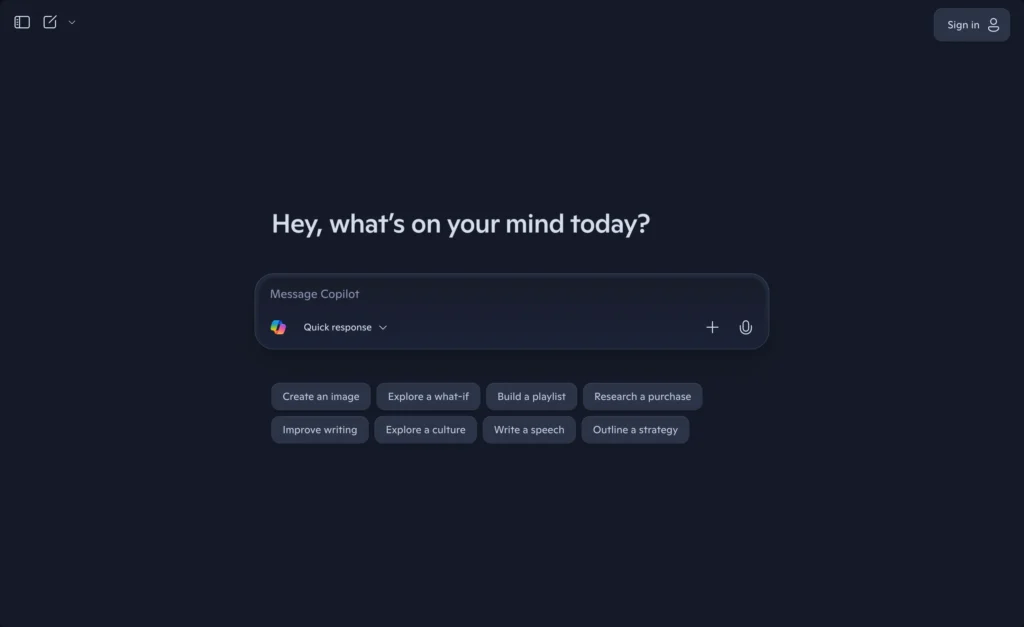
    Microsoft Copilot, deeply integrated within the Microsoft ecosystem, is a powerful ChatGPT alternative that leverages the vast resources of Microsoft, including access to Google Search for enhanced accuracy. This AI agent is seamlessly integrated with Microsoft 365 apps, making it an invaluable AI writing tool and productivity enhancer for users already within that environment. While not entirely open-source AI, Microsoft Copilot offers a free tier that provides significant utility, allowing users to experience its AI-powered chat and data analysis capabilities. Its strong integration and usability make Microsoft Copilot a compelling choice for those seeking an AI tool that goes beyond mere chat and offers practical assistance within their daily workflows, proving to be a strong contender among the best ChatGPT alternatives in 2025.

    Google Gemini

    Google Gemini and Its Unique Offerings

    Comparison with Other AI Chatbots

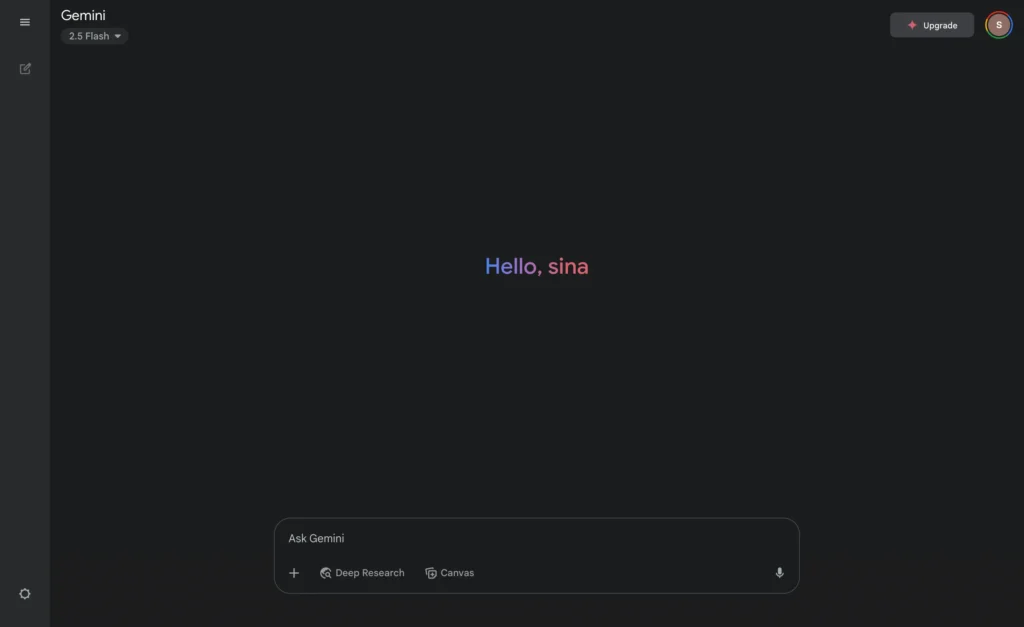
    Google Gemini stands as a formidable ChatGPT alternative, often lauded for its advanced AI model and deep integration with the Google ecosystem, particularly the Google Search engine. Unlike ChatGPT, Gemini leverages Google’s vast data and real-time information retrieval capabilities, which allows it to provide highly accurate and up-to-date responses. This makes it one of the best ChatGPT alternatives in 2025 for users who prioritize factual accuracy and comprehensive web search integration. While ChatGPT excels in creative writing, Gemini often provides a more robust and current information base.

    Advantages of Using Google Gemini

    The advantages of using Google Gemini as a ChatGPT alternative are numerous. It excels in real-time information access, making it a powerful AI tool for research and dynamic content creation. For those looking for an AI chatbot with strong multimedia capabilities, Gemini often offers superior image generation and multimodal interaction compared to ChatGPT. Additionally, its tight integration with other Google services enhances productivity, making it an excellent choice for users deeply embedded in the Google suite, offering a seamless experience that many other AI chatbots cannot match.

    Potential Limitations

    Despite its strengths, Google Gemini does have potential limitations when considered as an alternative to ChatGPT. While it offers a free tier, certain advanced features or higher usage limits might require a paid subscription, similar to ChatGPT Plus. Some users might find its conversational style less fluid or personalized compared to ChatGPT, which has been refined over a longer period. Additionally, depending on regional availability and specific feature rollouts, Gemini might not always be as widely accessible or offer the same breadth of functionalities across all markets, something to consider when evaluating top ChatGPT alternatives.

    Meta AI: The Emerging Player

    Features That Stand Out

    Meta AI, an emerging player in the AI chatbots landscape, is rapidly evolving to become a strong ChatGPT alternative, integrating deeply across Meta’s family of apps. A standout feature of Meta AI is its capacity for image generation and its commitment to open-source AI models, which allows for greater transparency and community development. This AI chatbot also focuses on personalized user experiences, leveraging user data within a privacy-conscious framework to provide highly relevant and engaging chat interactions. Meta AI’s real-time information access via a web search integration is also a significant differentiator.

    Use Cases for Meta AI

    Meta AI offers a diverse range of use cases that position it as a compelling ChatGPT alternative for 2025. Its integration with platforms like Facebook, Instagram, and WhatsApp means users can access its AI-powered capabilities directly within their social and communication workflows, making it a highly accessible AI tool. From summarizing long conversations and generating creative content to assisting with social media management and personalized recommendations, Meta AI aims to enhance daily digital interactions. Its ability to generate images and provide real-time information makes it a versatile tool for both personal and professional use.

    Future Prospects in 2025

    The future prospects for Meta AI in 2025 are promising, as it continues to refine its AI model and expand its integration across Meta’s ecosystem, solidifying its position as a strong ChatGPT alternative. With ongoing advancements in its language model and commitment to open-source initiatives, Meta AI is set to offer increasingly sophisticated features, including enhanced coding assistance and more nuanced data analysis capabilities. The focus on making advanced AI available for free to a wider audience positions Meta AI as a competitive and accessible option among the best ChatGPT alternatives, potentially challenging established players like ChatGPT and Google Gemini.

    Free ChatGPT Alternatives: What to Consider

    Top Free ChatGPT Alternatives Available

    Many users seek a free ChatGPT alternative to access advanced AI capabilities without a subscription. Among the top contenders providing a free version or a generous free tier are Google Gemini, which offers a robust AI model for general use and web search integration, and Perplexity AI, known for its factual accuracy and sourced answers derived from a powerful web search. Microsoft Copilot also provides significant functionality for free, especially for users within the Microsoft ecosystem. Additionally, Meta AI is rapidly expanding its free offerings, including image generation and conversational AI, positioning itself as a strong, accessible ChatGPT alternative for a wide array of users, making it easier than ever to explore alternatives.

    Pros and Cons of Free AI Chatbots

    The primary advantage of a free ChatGPT alternative is accessibility, allowing a broader user base to experience advanced AI chatbots for tasks like chat, summarization, and basic data analysis. Many free versions, such as those from Google Gemini or Microsoft Copilot, also offer integration with other services, enhancing productivity. However, the cons often include limitations on usage, features, or speed compared to their paid counterparts, like ChatGPT Plus. While a free tier is excellent for exploring capabilities, users might find that premium features like advanced coding assistance or higher-resolution image generation are restricted, sometimes leading to a less comprehensive experience compared to paid models like GPT-4 and Claude.

    Best Practices for Choosing a Free Alternative

    When selecting a free ChatGPT alternative, it is crucial to assess your specific needs. If you require real-time information and web search capabilities, Perplexity AI or Google Gemini might be the best ChatGPT alternative for you. For users embedded in the Microsoft ecosystem, Microsoft Copilot offers seamless integration with Microsoft 365 apps. If image generation or open-source AI is a priority, Meta AI is rapidly becoming a strong contender. Always check the free tier’s limitations on daily queries, feature access, and data analysis capabilities to ensure it meets your requirements before committing, as unlike ChatGPT, some free tools might have stricter usage policies.

    Integration with Google Services and Other Platforms

    Benefits of Integration for Users

    The integration of AI chatbots with Google services and other platforms offers significant benefits for users, transforming how they interact with an AI tool. When a ChatGPT alternative, like Google Gemini or Microsoft Copilot, is seamlessly integrated with platforms like Google Search or Microsoft 365 apps, it enhances productivity and streamlines workflows. Users can perform tasks like data analysis, email drafting, or content creation directly within their familiar environments, reducing the need to switch between applications. This level of integration provides a more cohesive and efficient user experience, making the AI agent feel like an indispensable part of their daily digital life, especially if you’re looking for an AI writing tool.

    Examples of AI Assistants with Google Integration

    Google Gemini stands as a prime example of an AI chatbot with deep Google integration, leveraging the Google Search engine to provide real-time, accurate information. This makes it a powerful ChatGPT alternative for research and current events, offering a distinct advantage compared to ChatGPT, which often doesn’t have direct real-time web access in its free version. Microsoft Copilot also demonstrates strong integration, notably with access to Google Search and Microsoft 365 apps, allowing users to perform tasks like summarizing documents or generating code within their work environment. These integrations are key differentiators, making these AI tools highly practical for users who rely heavily on Google’s ecosystem.

    The future of AI chatbots in 2025 points towards even deeper and more pervasive integration with various platforms and services. We can anticipate more AI models, similar to ChatGPT, offering enhanced multimodal capabilities, allowing for seamless transitions between text, image generation, and even video. The trend suggests that AI agents will become increasingly embedded in operating systems and third-party applications, providing contextual assistance across diverse tasks from coding to complex data analysis. This will lead to a more personalized and predictive AI experience, where the AI anticipates user needs and proactively offers solutions, further solidifying the role of AI as an indispensable daily assistant.

  • How to Post on Instagram From PC or Desktop: Easy Steps

    How to Post on Instagram From PC or Desktop: Easy Steps

    Ever been stuck at the office on your pc with a gorgeous shot sitting in a folder, wishing you could post on Instagram right away? I’ve been there too, and that little pain inspired this guide. I’ll walk you through every practical way to post on Instagram from desktop or laptop, show you shortcuts for reels, stories, and scheduled drops, and flag common hiccups before they ruin your workday. It’s worth a read because you’ll save time, dodge phone-to-computer transfers, and finally put those high-resolution files to work—no more emailing yourself images.

    1. Why would anyone post on Instagram from a PC or Mac?

    You might want to upload a 4K drone clip, polish a brand graphic in Photoshop, or just prefer typing captions on a full-size keyboard. Using a pc lets you skip AirDrop or cables, and the bigger screen helps you judge colour before you post to Instagram. Creators managing a business’s instagram account also find desktop workflows faster for batch edits and quicker for brand approvals.

    The second key reason is schedule freedom. When you schedule Instagram posts, you line up a week’s worth of content in one sitting, then enjoy an espresso while your audience thinks you’re online 24/7. Team members can review a caption or tweak a hashtag set before you hit publish—another perk you don’t get as easily on a mobile device.

    2. Can I use the Instagram web desktop version to upload photos and videos?

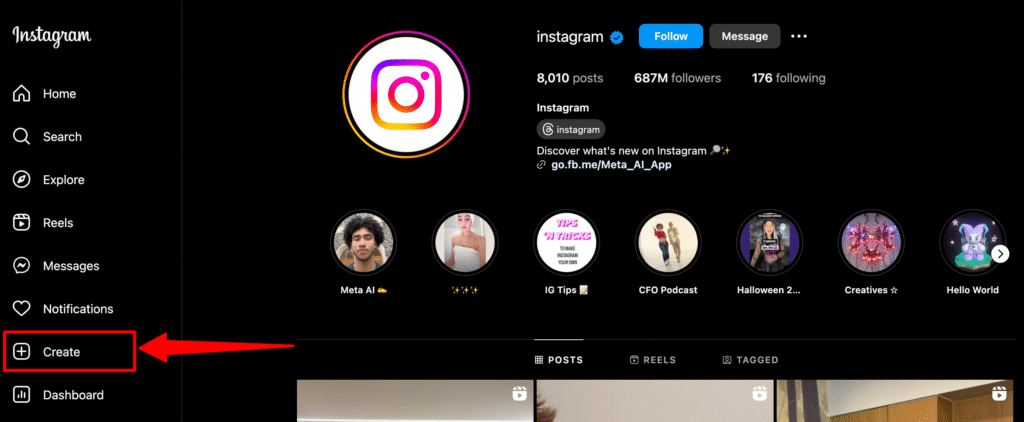
    Short answer: yes. The web version of Instagram finally allows full posting. Just open Instagram in your desktop browser, click the “+” in the sidebar, and you’ll see drag-and-drop support for images or a quick upload menu for clips. The instagram website compresses large files automatically, but for razor-sharp shots stick to 1080 × 1350 px.

    Remember the version of Instagram in Safari on macOS sometimes lags a release behind Chrome, so if you hit glitches like a greyed-out button, hop over to google chrome. I’ve also noticed faster preview speeds in the chrome browser compared with Firefox. Either way, this built-in tool covers regular posts, carousel layouts, and basic crops—handy if you’re in a rush and don’t need heavy social media management bells and whistles.

    image 1

    3. What are the exact steps to post on Instagram from PC in Google Chrome?

    Step-by-step guide on how to post:

    1. Fire up Chrome (or computer using chrome if that’s the company desktop pc).
    2. Log into your Instagram account.
    3. From the Left Sidebar, hit the “+” create icon, then create a new post.
    4. Drag an image or click upload photos / upload a video.
    5. Crop, add filters, and smash “Next.”
    6. Write a fun caption—I like adding 🍁 for the Canadian vibe—then location tag.
    7. Tap publish your instagram and you’re live.

    That’s it. If you’d rather mimic the instagram mobile app, right-click the page, choose Inspect, then toggle the device toolbar; the web version will switch to a phone frame. It’s perfect when you want to post something quick but also need to copy emojis straight from a clipboard app.

    4. How do I post stories on Instagram using a desktop browser?

    Stories require the same left “+” but you’ll select Story from your computer in the pop-up. Trim the clip, add text, stickers, or a GIF sticker pack. Keep in mind that videos on Instagram stories cap at 60 seconds, so trim longer bits beforehand.

    If you can’t post Instagram stories, clear cache, ensure the clip is H.264 MP4, and double-check you’re not on a corporate VPN blocking media ports. Still stuck? Try using Safari; weirdly enough, some workplaces only whitelist Apple traffic.

    5. Is there a way to schedule Instagram posts right from my computer?

    Absolutely. Inside Facebook’s Meta Business Suite you can stack reels, stories, and a regular post in a queue. Tap schedule, pick your slot, and the suite will post from your computer even while you’re out for Kelowna camping. Another free option is Creator Studio, though the layout moved to the sidebar recently. Third-party choices such as Later or Buffer give finer control, hashtags hints, and grid previews—vital for a colour-coordinated instagram grid.

    I personally schedule every Monday morning: three photos, one video post, and a single reel. This weekly batch frees me to tweak tomorrow’s caption over a cup of Tims without scrambling at 8 a.m.

    6. Can I post a reel or longer video to Instagram from a PC?

    Yes. Tap the “+” icon, pick Reel, then upload to Instagram a vertical clip up to 90 seconds. For longer bits, go to Video, which lands in your feed. If you post videos, be sure the aspect ratio is either 9:16 or 1:1, and add a catchy cover frame. The desktop lets you scrub through the timeline faster than a phone, so use that to find a micro-thumbnail moment that sells the clip.

    You can also trim start-end points, mute original audio, and swap tracks from the royalty-free library. Tip: aim for 23.98 fps exports; the instagram web transcoder respects that cadence and reduces ghosting. After that, add a short caption, geotag Banff for discoverability, and the reel will spark those weekend vibes.

    7. Which social media management tool works best for Instagram content on desktop?

    If you manage more than one instagram account, a dedicated social media management tool is a lifesaver. I’ve tested Later (the free tier covers 30 posts), Planable (slick calendar view), and Hootsuite. They all let you drag media from Finder or Explorer, arrange ways to post by day, and insert saved caption templates. Most tools also auto-generate optimal times, so you can schedule when your audience is most active.

    For product catalogues, Sprout adds instagram shopping tags straight from the dashboard—handy when you sell custom hoodies or digital checklists. But for freelancers, Later’s price-to-feature ratio wins, especially the unlimited schedule posts on the mid-tier.

    8. Troubleshooting: why can’t I post Instagram stories from your computer?

    Error code or blank thumbnails? Check these quick fixes:

    • Access Instagram with a different browser—switch from Edge to chrome web or Firefox.
    • Disable that quirky chrome extension that resizes media; it can break upload scripts.
    • Convert HEIC photos to JPEG; the instagram website hates Apple’s default HEIC.
    • Re-sign in; token errors often clear after 30 minutes.
    • If none work, export the clip again, then retry the upload. Sometimes metadata flags trip up the servers.

    Quick Tip

    Still stuck after all that? Reach out via @InstagramComms on X; they respond faster than the in-app form.

    9. FAQs—quick answers

    Q: Can I manage instagram on pc without installing anything?
    A: Yep. The web version of Instagram handles photos, carousels, reels, and even scheduled stories.

    Q: What’s the best format for a video to Instagram from desktop?
    A: MP4, H.264, AAC audio, under 200 MB.

    Q: Do I lose reach if I post on Instagram from PC instead of phone?
    A: No evidence so far. Quality content wins, not the upload device.

    Q: Can I add music while using the desktop?
    A: Yes for reels (library tracks), but not for photo slideshows—yet.

    Q: How do I add alt text?
    A: In the advanced settings panel right before you hit “Share.”

    Bullet point recap

    With these steps, you’ll never juggle cables or miss a deadline again—next big thing you share might become the talk of your instagram feed on that very first coffee break.

    pc posting is legit, fast, and perfect for high-res files.

    Use the direct “+” button in instagram web or toggle mobile view.

    Schedule a week of content in Meta Business Suite or Later.

    Stick to 1080 × 1350 for photos, vertical 9:16 for reels.

    Clear cache or switch browser if uploads fail.

    A polished caption and timely post videos keep engagement up.

  • Optimizing Your Content for Voice and Visual Search: A Complete 2025 Strategy

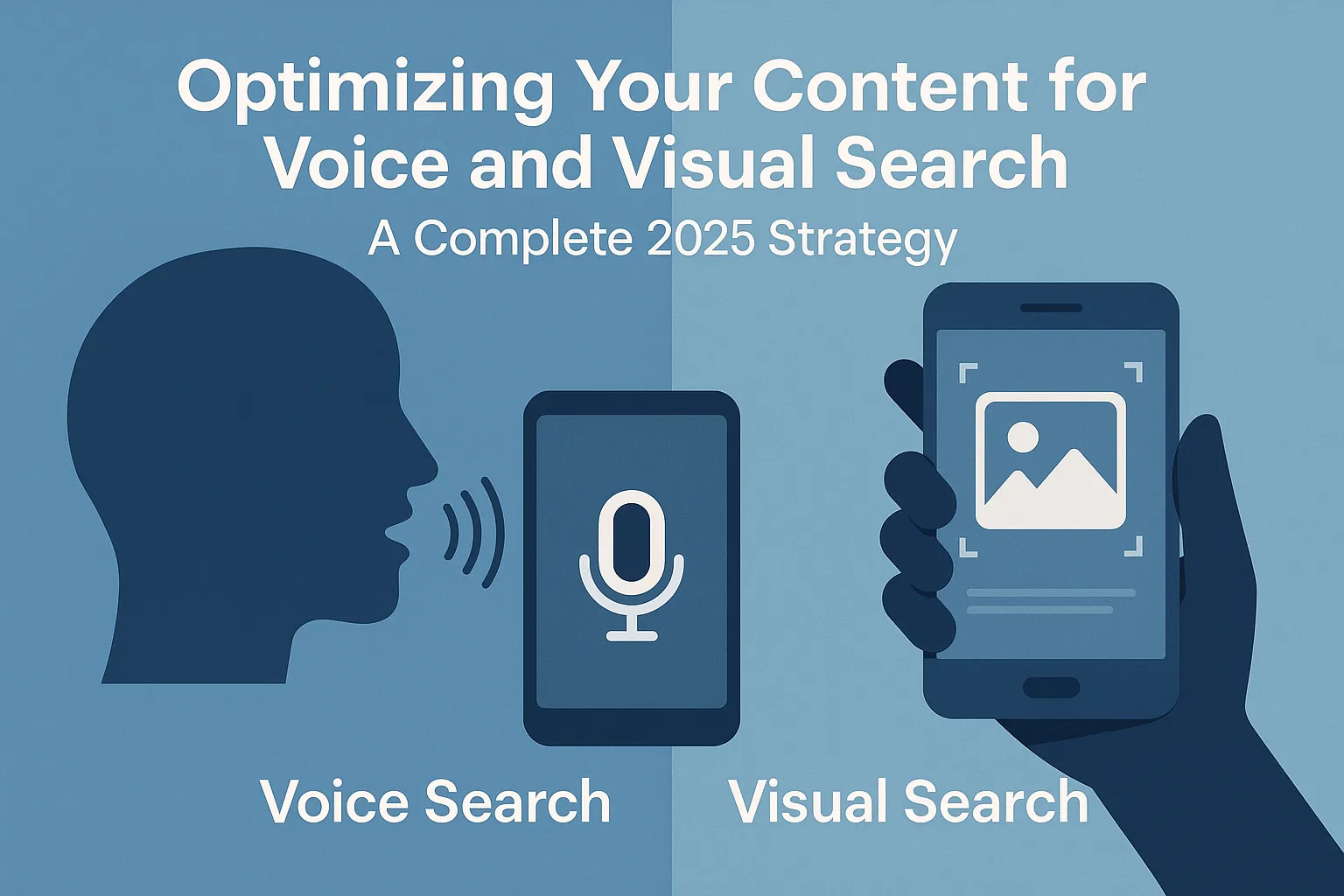
    Optimizing Your Content for Voice and Visual Search: A Complete 2025 Strategy

    Ever ask your phone something like, “Hey Google, where’s the closest coffee shop?” or snap a quick picture to find a jacket you saw someone wearing downtown? Yeah, me too. Voice search SEO and visual search optimization aren’t just techy buzzwords anymore—they’re part of everyday life here in Canada, from grabbing a Tim Hortons on the go to finding that perfect Muskoka chair online.

    If you haven’t thought much about voice SEO strategy or image SEO yet, don’t stress. I’ve got you covered with some simple yet powerful tips to make sure your content doesn’t just sit pretty—it gets found. Let’s get into it!

    Why Voice and Visual Search Matter More Than Ever

    So, why all the fuss about voice and visual search? Here’s the deal:

    • Voice search is how we multitask now—cooking, driving, or just being lazy on the couch (no judgment!).
    • Visual search saves us from those awkward “where’d you get that?” moments. Snap a pic and voila, you find it online.

    Think about it this way: You don’t type how you speak. Voice searches sound conversational. Visual searches depend on clear, detailed images. Your website needs to speak both languages fluently to stay relevant in 2025.

    Step-by-Step Guide to Winning at Voice SEO

    First things first—voice search.

    1. Think Conversational

    Voice search questions are usually longer, more casual, and specific. So:

    • Create content around long-tail keywords and full questions.
    • Answer questions directly. Google loves straightforward answers.

    Instead of optimizing for “best coffee shop Vancouver,” try “where’s the best place to grab coffee in downtown Vancouver?” Sounds more human, eh?

    Ever ask Google a question and see a neat little box pop up? That’s a featured snippet.

    • Answer questions clearly (1-2 sentences).
    • Structure your content with headers and bullet points (just like this!).

    3. Speed It Up, Eh?

    Google and your visitors love fast-loading pages. For voice search especially, speed matters big-time.

    • Compress images.
    • Minify your code.
    • Pick a fast host (Canadian hosting providers rock!).

    Real-Life Story Time

    My friend runs a local pizza joint in Toronto. Business was decent, but once he started optimizing for voice search (think “Hey Siri, what’s the best pizza place near me?”), traffic jumped 40%. Voice search matters!

    Visual Search Optimization: Making Images Do the Work

    Visual searches are basically “show me, don’t tell me.” Here’s how you do that:

    1. High-Quality Images Are Key

    Blurry, pixelated images? Big nope. Your pics need to be:

    • High resolution.
    • Clear and well-lit.
    • Relevant and descriptive.

    If you sell jackets, show me details—fabric texture, stitching, style.

    2. Alt Text and Descriptions

    Alt text is your silent salesperson. Make it descriptive:

    • Good: “Red plaid flannel shirt Canada”
    • Bad: “IMG-2033”

    3. Structured Data (Schema Markup)

    Sounds nerdy, but structured data tells Google exactly what’s in your images:

    • Product name
    • Price
    • Availability

    Google loves clarity, eh?

    4. Make It Mobile-Friendly

    Most visual searches happen on mobile. Your site better look good on every phone, from a fancy iPhone to that old Android your dad refuses to upgrade.

    Quick Case Example

    A Vancouver-based boutique owner, started optimizing her images. Within a few months, visual searches boosted her online sales by nearly 25%. Just from better image optimization!

    Essential Tools to Check Out

    Common Mistakes to Avoid

    We all make mistakes—it’s cool. But try to dodge these common traps:

    • Ignoring mobile users (seriously, most of your visitors are mobile).
    • Overstuffing keywords (it’s not 2005 anymore).
    • Using tiny, low-quality images.

    FAQs – Let’s Clear Things Up

    Q: Do I really need both voice and visual search optimization?
    A: Yep, definitely. People use both all the time. It boosts your chances of being discovered big-time.

    Q: How often should I update my content for voice search?
    A: Regular updates are great, but clarity and relevance matter most. Keep your answers clear and accurate.

    Q: Are Canadian businesses actually benefiting from visual searches?
    A: Absolutely! Local shops and online businesses alike are getting more traffic and sales thanks to visual searches.

    Q: Can small businesses afford voice and visual optimization?
    A: Totally! Most strategies, like improving your content and images, don’t cost much and give great results.

    Wrapping It Up

    Optimizing your content for voice search SEO and visual search optimization is more than just good sense—it’s essential for staying ahead in 2025. Keep your content conversational, your images crisp, and your answers clear.

    Your website deserves to be heard (literally) and seen clearly. Start optimizing now, and you’ll be ahead of the game. Got any questions or tips? I’m always down for a chat, especially over coffee!

  • Uberduck AI: The Ultimate Guide to Text-to-Speech and AI-Generated Music

    Uberduck AI: The Ultimate Guide to Text-to-Speech and AI-Generated Music

    Ever heard about Uberduck AI? It’s an innovative AI tool that’s changing the game in text-to-speech and AI-generated music. Whether you’re a creator looking to spice up your content or just curious about AI vocals, this article is your go-to guide. Stick around, and you’ll see exactly why Uberduck is worth checking out.

    What Exactly is Uberduck AI?

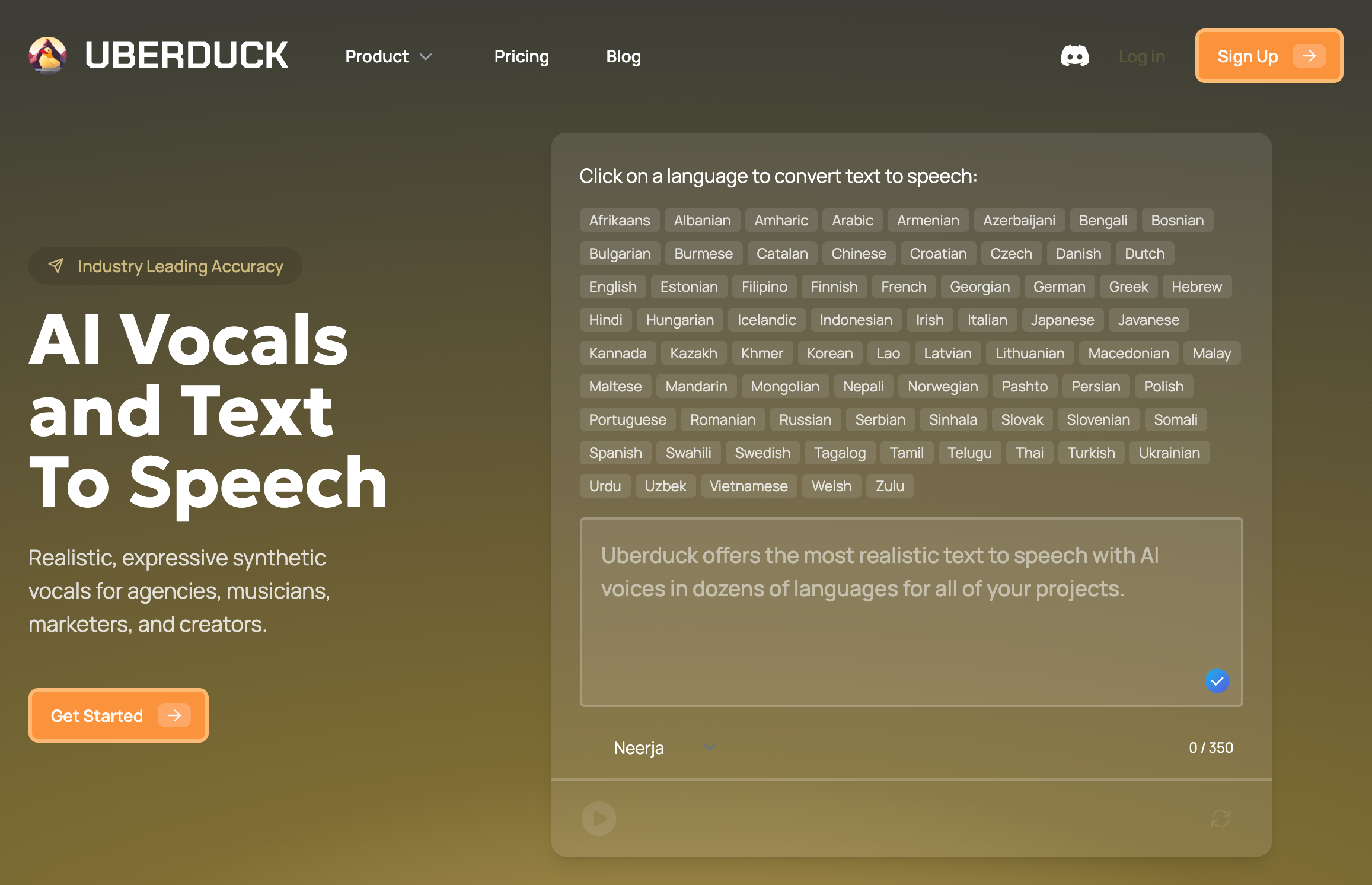
    Uberduck AI is an innovative AI generator specifically designed for creating high-quality text-to-speech audio and AI-generated music. This tool is pretty slick—it uses cutting-edge AI technology to convert text into spoken words, and even music, seamlessly. What’s cool is you can personalize your output with custom voice clones or celebrity voice options.

    I first stumbled upon Uberduck when I was working on a personal project, creating funny voiceovers for videos. Honestly, it blew my mind how user-friendly it was and how realistic the ai voice outputs were. It felt like chatting with my buddy, except this buddy could sound like Drake or Taylor Swift.

    How Does Uberduck Text-to-Speech Work?

    Uberduck text-to-speech technology is pretty straightforward to use. You simply enter your written text into the generator, pick your preferred voice from Uberduck’s extensive voice library, and let the AI do its magic. The tool quickly converts your text into high-quality audio that feels genuinely human.

    For instance, if you’re making content for platforms like TikTok and YouTube, Uberduck’s text-to-speech capabilities help you add an engaging layer of voice to your videos, podcasts, or other audio projects. Plus, it has advanced features and customization options to cater to diverse user needs.

    uberduck ai music

    Can Uberduck AI Really Generate Music?

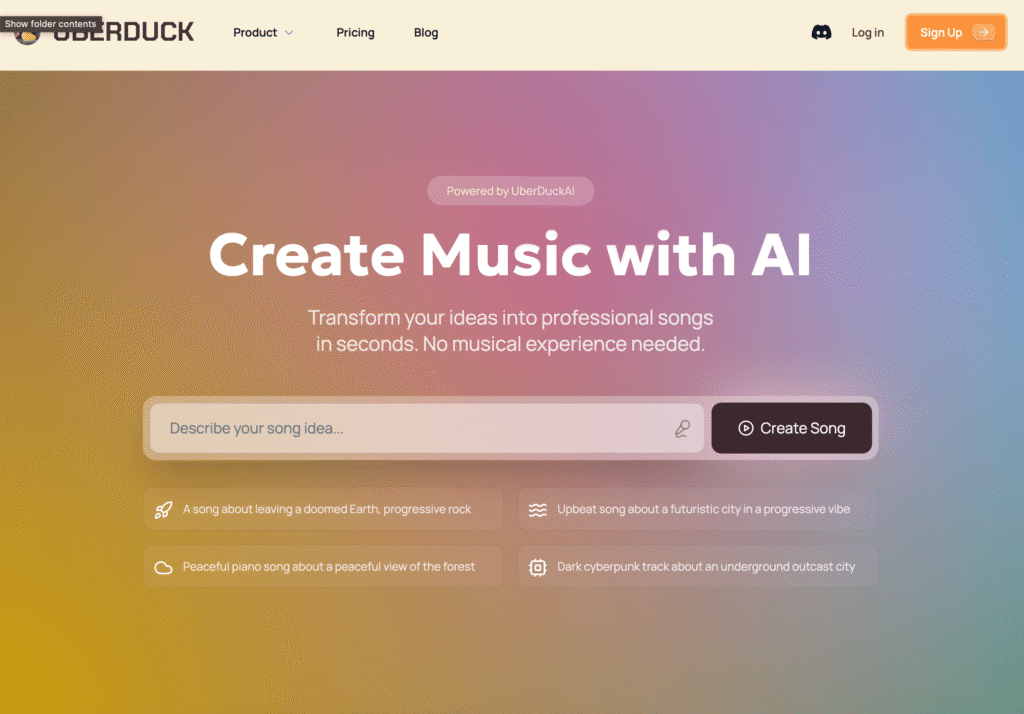
    Absolutely! Uberduck AI isn’t just about spoken audio—it also excels at music creation. You can easily use it as a rap generator, where the AI can generate lyrics and seamlessly pair them with ai-generated vocals and background music.

    I tried creating a rap song using Uberduck, and the results were surprisingly awesome. The ai-generated music didn’t sound robotic or artificial—it actually sounded like something you’d genuinely jam to. If you’re into making music with AI, this feature is definitely worth exploring.

    What Makes Uberduck Different from Other AI Generators?

    The big thing that sets Uberduck apart from other AI generators is its versatility and quality. Uberduck provides robust voice cloning capabilities, allowing you to create custom voice clones. So, whether you’re looking to clone your own voice or try out a celebrity voice, Uberduck ai provides endless possibilities.

    Unlike other basic text-to-speech solutions, Uberduck offers high-quality ai-generated vocals that feel natural and personalized. Plus, it’s packed with advanced text-to-speech functionality that’s easy to navigate, even for beginners.

    Is Uberduck AI Accessible for Everyone?

    Accessibility is a big deal when it comes to tech, and Uberduck AI does a pretty good job here. Its user-friendly interface means pretty much anyone can jump in and start creating without tech hurdles. Whether you’re a content creator, a musician, or just someone looking to have fun, Uberduck has something for you.

    The accessibility also extends to its pricing plans. While there’s a robust paid plan available, Uberduck offers a free version too, letting you test out its capabilities before diving deeper.

    How to Create Rap Songs Using Uberduck’s AI

    Creating a rap song with Uberduck’s AI is super easy:

    • Write your rap lyrics or let Uberduck help generate lyrics.
    • Choose your preferred voice or use a celebrity voice clone.
    • Select a beat or let the AI pair your lyrics with appropriate background music.
    • Generate your track and make adjustments to personalize it further.

    I’ve tried it, and let me tell you—it’s an amazing tool for quick and creative music projects. Uberduck AI makes rap creation feel fun and accessible, even if you’re a total beginner.

    Best Alternatives to Uberduck Text-to-Speech

    Though Uberduck is impressive, it’s always good to have options. Some solid alternatives to Uberduck text-to-speech include:

    • Murf.ai (great for professional voiceovers)
    • Eleven Labs (famous for ultra-realistic voices)
    • Play.ht (solid choice for accessibility features)

    Each has unique strengths, but Uberduck holds its own, particularly when it comes to ai-generated music and rap creation.

    How Content Creators Can Use Uberduck AI Effectively

    Content creators can significantly benefit from Uberduck AI. Whether you’re a YouTuber, podcaster, or TikToker, using Uberduck ai can help you:

    • Generate engaging voiceovers quickly
    • Add a unique touch with celebrity voice clones
    • Create background music and rap songs to enhance your content

    I’ve personally used Uberduck to create intro tracks for videos, and the response was fantastic. The versatility of Uberduck’s ai tool genuinely empowers creators to produce standout content.

    Customizing Your AI Voice: Uberduck’s Voice Cloning Capabilities

    Uberduck’s custom voice cloning capabilities are seriously impressive. It allows you to personalize your content by cloning your voice or a celebrity voice seamlessly. You can:

    • Record a sample of the voice you want to clone
    • Use Uberduck ai technology to generate a personalized voice
    • Apply the voice clone to your text-to-speech content creation

    This personalization helps in adding authenticity and uniqueness, making your content stand out even more.

    uberduck pricing

    Pricing Plans: Is Uberduck Free?

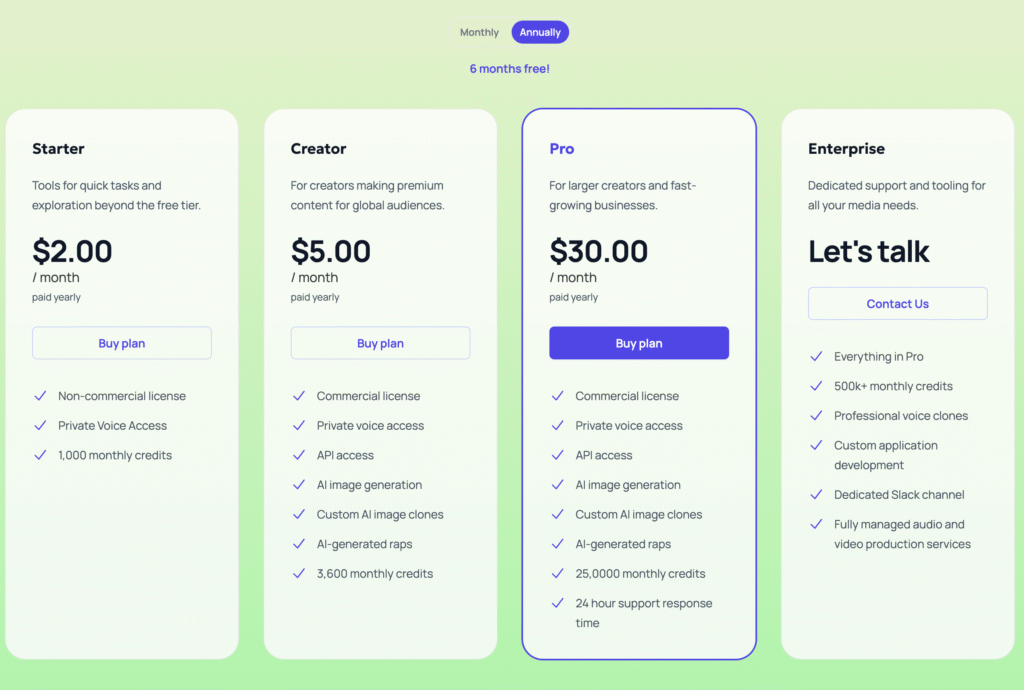
    Uberduck provides a free plan that lets you experience basic text-to-speech and voice generation features. For creators needing more advanced features and customization options, paid pricing plans offer extensive capabilities, including custom voice creation and private voice access.

    Personally, I found the free plan adequate initially, but the advanced features in the paid version definitely made upgrading worth it.

    FAQs:

    • Is Uberduck AI safe to use? Absolutely! It’s secure and user-friendly.
    • Can I monetize content made with Uberduck? Yes, content generated with Uberduck is fully monetizable.
    • Does Uberduck offer customer support? Yep, they provide responsive customer support for any questions or issues.

    Key Takeaways:

    • Uberduck AI excels in text-to-speech and AI-generated music.
    • It’s accessible, user-friendly, and highly customizable.
    • Uberduck offers free and paid plans suitable for a wide range of users.
    • You can create rap songs and unique content using its advanced AI features.
    • Alternatives are available, but Uberduck stands out for its versatility and creativity.

    Give Uberduck AI a whirl—whether you’re creating content, generating music, or just having fun, it’s an ai tool that delivers every time.

  • Best Elementor Tutorial in 2025: The Basics in 10 Minutes (Plus Advanced Tips)

    Best Elementor Tutorial in 2025: The Basics in 10 Minutes (Plus Advanced Tips)

    WordPress users everywhere rave about Elementor for its intuitive drag-and-drop interface, time-saving templates, and endless customization options. Whether you’re new to website building or an experienced professional, Elementor empowers you to craft stunning web pages without writing a single line of code. In this Elementor tutorial, we’ll walk you through the basics in under ten minutes and share additional tips about dynamic pages, templates, and Elementor’s different plans so you can build a fully functional and eye-catching site. Let’s get started!

    1. What Is Elementor and Why You Need It

    Quick Definition

    Elementor is a WordPress page builder plugin designed to simplify the process of creating beautiful, responsive websites. It provides a visual drag-and-drop editor so you can see changes in real time—no coding needed.

    Key Benefits

    • No Coding Required: Perfect for beginners or busy entrepreneurs.
    • Real-Time Editing: Instantly preview changes as you build.
    • Massive Widget Library: Headings, images, forms, buttons, sliders, and more.
    • Theme Compatibility: Works seamlessly with most WordPress themes.
    • High Conversion Potential: Professionally designed pages are proven to increase leads and sales.
    elementor plans 2025

    2. Elementor Plans: Free vs. Pro Versions

    Free Version

    The free version of Elementor is perfect for beginners or small projects. It offers:

    • Core widgets (text, image, button, video, etc.).
    • Basic templates and blocks.
    • Responsive design controls.

    While it’s quite powerful on its own, you might find yourself craving advanced features for more complex websites.

    Elementor Pro Plans

    When you upgrade, you unlock a suite of advanced tools, including:

    • Theme Builder: Customize headers, footers, single posts, and archive pages.
    • Popup Builder: Create eye-catching pop-ups for sign-ups, promotions, and more.
    • Form Builder & Integrations: Connect with popular email marketing services like Mailchimp, ConvertKit, etc.
    • WooCommerce Widgets: Transform your online store with product grids, add-to-cart buttons, and dynamic sales banners.
    • Premium Templates & Blocks: Access a huge library of professionally designed layouts.

    Different Tiers of Elementor Pro

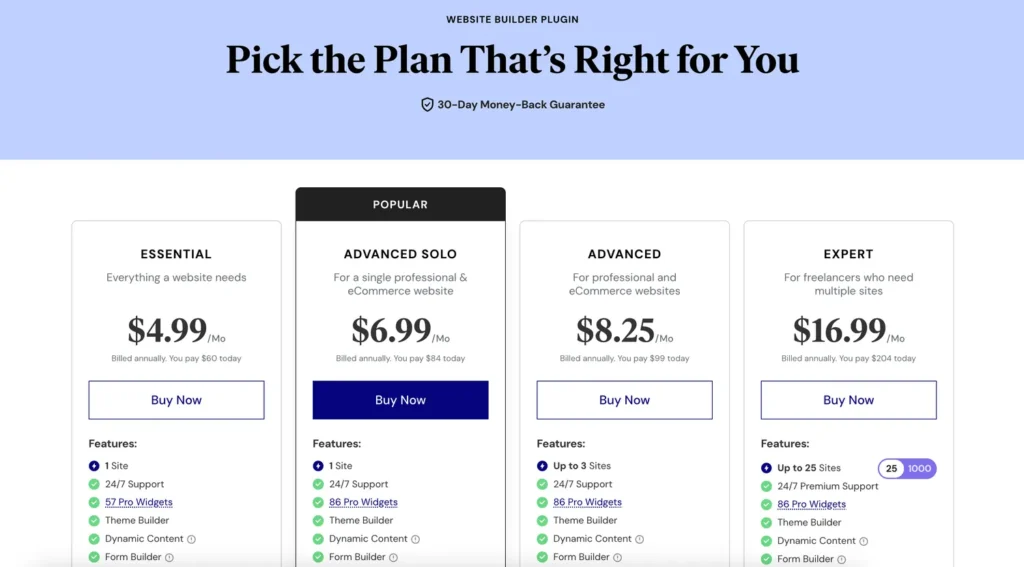
    (Currently as of writing, Elementor offers the following annual plans; however, always check their official site for the latest pricing):

    1. Essential – Ideal for 1 website.
    2. Advanced – Great for up to 3 websites.
    3. Expert – Cover up to 25 sites, perfect for freelancers or agencies handling multiple clients.
    4. Studio and Agency – Scales for larger businesses or agencies managing numerous client sites, with premium support.

    Ready?

    Ready to take your website to the next level? Explore Elementor Pro and unlock premium features that make your site truly stand out.

    elementor install plugin

    3. Getting Started: Installation & Setup

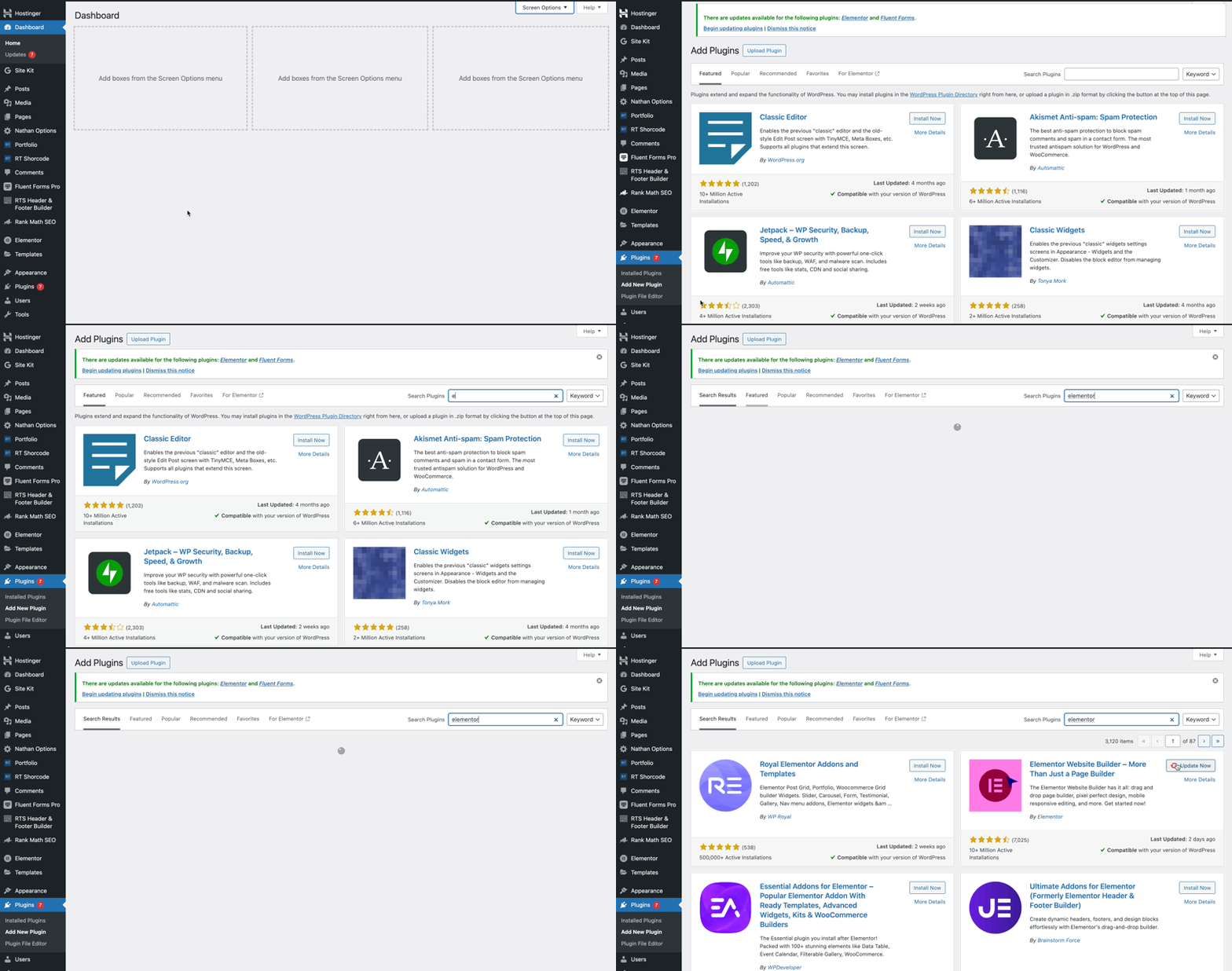
    1. Install Elementor
      • In your WordPress dashboard, go to Plugins → Add New.
      • Search for Elementor.
      • Click Install, then Activate.
    2. Activate or Upgrade to Pro (Optional)
      • If you have purchased Elementor Pro, head to Elementor → License in your WordPress dashboard to enter your license key.
      • Alternatively, purchase via This Link and install the Pro plugin to unlock extra features.
    3. Choose or Switch Theme
      • While Elementor works with most themes, a theme optimized for Elementor (e.g., Hello Elementor, Astra) can streamline your design process.
      • Go to Appearance → Themes to install and activate your theme of choice.
    elementor edit page

    4. Understanding the Elementor Interface

    After installing and activating Elementor:

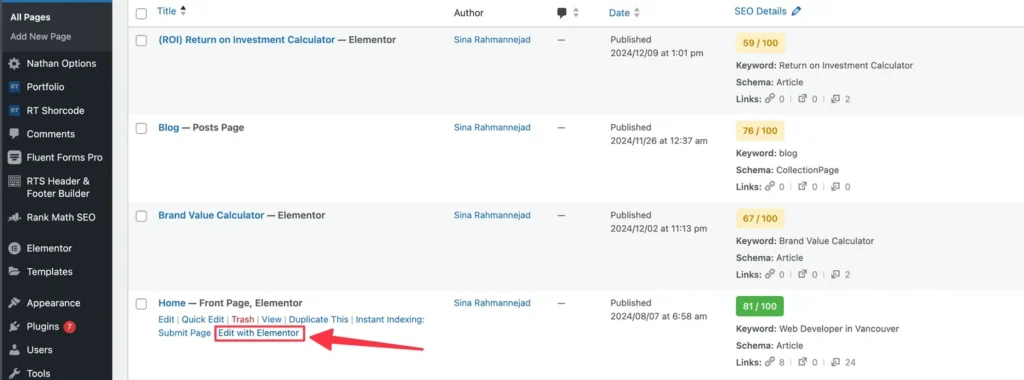
    1. Create or edit a page in WordPress.
    2. Click “Edit with Elementor.”

    You’ll see:

    • Widget Panel (Left Side): Widgets for text, images, forms, etc.
    • Preview Area (Right Side): Live preview of your page as you build.
    • Navigator: Click the icon at the bottom of the widget panel to navigate between sections, columns, and widgets.
    • Responsive Mode: Preview how your design looks on desktop, tablet, and mobile screens.

    Tip: Familiarizing yourself with these elements speeds up your workflow significantly.

    5. Building Your First Page in Under 10 Minutes

    Step 1: Add a New Section

    Click the “+” icon in the preview area to create a section. Choose the column structure that fits your layout idea.

    Step 2: Drag and Drop Widgets

    • Drag a Heading widget to add your main text.
    • Drag an Image widget, then upload or select an image from your media library.
    • Drag a Button widget and link it to your preferred page (e.g., a contact form or sales page).

    Step 3: Customize Styling

    • Click on the widget you want to style.
    • Use the left panel’s Style tab to change fonts, colors, and backgrounds.
    • For advanced options like animations or motion effects, check the Advanced tab.

    Step 4: Insert a Template (Optional)

    • Click the Folder icon in the page editor to open the Elementor Template Library.
    • Choose from pre-made pages or blocks.
    • Insert the template and tweak as needed.

    Step 5: Save and Publish

    • Click “Update” or “Publish” to make your page live.
    • Congratulations! You’ve built your first Elementor page.

    6. Templates and How They Boost Your Efficiency

    Elementor offers a massive collection of templates—ready-made designs you can import with one click. Types of templates include:

    • Full Page Templates: Entirely designed pages (homepage, about, contact, etc.).
    • Blocks: Smaller sections (hero headers, FAQs, testimonials, calls-to-action) that fit into an existing page layout.
    • Theme Templates (Pro): Create dynamic headers, footers, single post layouts, and more with the Theme Builder.

    Using Templates drastically cuts down design time. If you’re promoting an affiliate link, highlight the extended template library that Elementor Pro offers, as that’s a strong selling point for users who want professionally designed pages fast.

    7. Dynamic Pages: Elevate Your Site’s Functionality

    One of Elementor Pro’s standout features is the ability to create dynamic pages. This is especially useful for:

    1. Blog Posts: Design a single post template for a consistent, branded look on every post.
    2. Portfolios: Showcase projects by automatically pulling in featured images, titles, and descriptions from each portfolio item.
    3. WooCommerce Products: Use Elementor’s WooCommerce widgets to display products dynamically.
    4. Custom Post Types: If your site has unique content types (e.g., recipes, real estate listings), you can build dynamic layouts that auto-populate data from custom fields.

    Tip: Pair Elementor with plugins like Advanced Custom Fields (ACF) to unlock limitless potential for dynamic content. Want a dynamic real estate site or a directory? Set up custom fields, then let Elementor Pro handle the front-end layout.

    8. Elementor Pro’s Additional Revenue-Boosting Features

    Popup Builder

    Design stylish pop-ups for email sign-ups, special offers, or announcements. Use advanced targeting rules (e.g., show pop-up only on certain pages or after a certain time).

    Form Builder & Integrations

    Capture leads directly on your site. Connect to Mailchimp, ConvertKit, ActiveCampaign, or other marketing platforms to funnel leads into automated email sequences.

    WooCommerce Widgets

    • Add to Cart: Stylish CTA buttons.
    • Product Archive Templates: Control the look of product listings.
    • Sales Banners: Highlight discounts and promotions.

    9. FAQ: Addressing Common User Concerns

    1. Is Elementor hard to learn?
      No! The drag-and-drop interface makes it straightforward. Plus, real-time previews help you understand changes instantly.
    2. Do I need the Pro version?
      If you need advanced design elements (pop-ups, theme builder, etc.), yes. For simpler sites, the free version is a great start. You can always upgrade later.
    3. What if I change my theme later?
      Elementor designs typically stay intact because the plugin controls the layout, not the theme.
    4. Does Elementor slow down my site?
      Not typically, especially if you follow best practices like optimized hosting, caching, and compressing images.
    5. How do I get Elementor Pro?
      Simply purchase it from This Link, install the Pro plugin, and activate your license.

    10. Bonus Tips for High-Converting Elementor Pages

    1. Use Clear CTAs (Calls to Action): Buttons and links should be visually prominent.
    2. Optimize for Mobile: Make sure your page layout looks awesome on every screen size.
    3. Leverage Testimonials: Social proof builds trust. If you have happy customers or readers, feature their quotes.
    4. Test Different Layouts: Use A/B testing tools (e.g., Google Optimize) to see which Elementor design converts better.
    5. Add Scarcity Tactics: Limited-time offers or exclusive deals encourage immediate action.

    Conclusion

    Elementor revolutionizes the way we build WordPress sites—offering a user-friendly interface, robust design features, and incredible flexibility for dynamic content. In just ten minutes, you can create a polished, responsive page. With Elementor Pro, you gain access to premium templates, advanced widgets, and powerful marketing tools that can skyrocket conversions on your site.

    Ready to transform your website?

    Download the free version to get started, or Upgrade to Elementor Pro for the ultimate design and marketing toolkit!

    Share Your Success!

    Have you built a stunning page or boosted your conversions using Elementor? Share your experience in the comments below—let’s grow together and turn your website into a high-performing online presence!

  • Hostinger Review (2025): Is It Really the Best Web Host for Your Website?

    Hostinger Review (2025): Is It Really the Best Web Host for Your Website?

    Choosing a reliable web host is crucial for your website’s success. After thoroughly testing numerous providers, Hostinger consistently emerges as a top choice for beginners, entrepreneurs, and experienced web developers alike. In this comprehensive review, we’ll explore in-depth why Hostinger might be the ideal hosting solution for you.

    Why Choose Hostinger?

    1. Exceptional Speed & Uptime
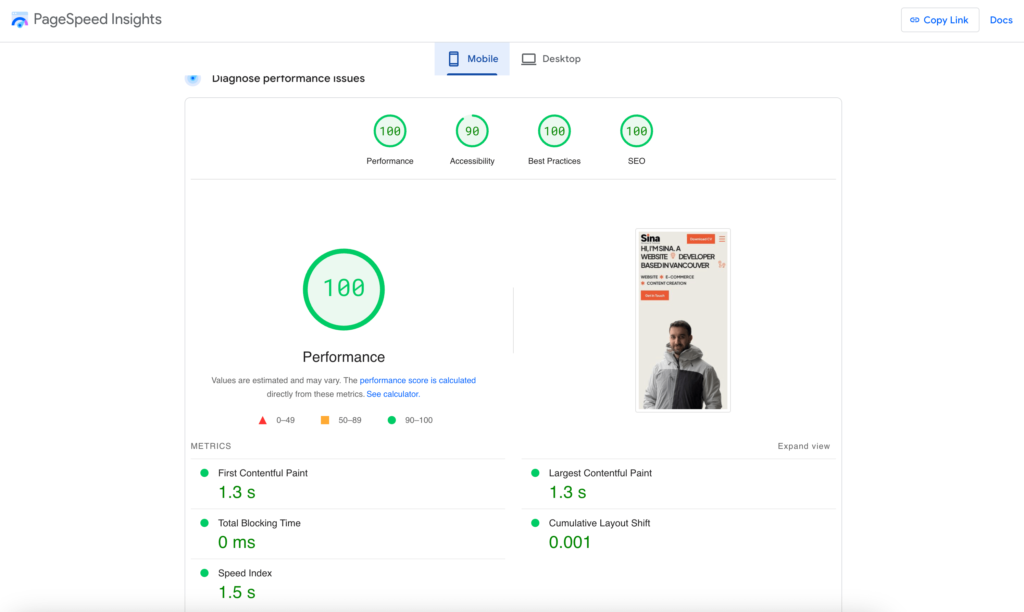
    Website speed directly influences user experience, conversions, and SEO rankings. Hostinger excels in providing lightning-fast hosting solutions powered by LiteSpeed technology. According to independent tests by GTmetrix & PageSpeed Insights, websites hosted on Hostinger load significantly faster than the industry average, typically under 1 second.

    Hostinger also offers a 99.9% uptime guarantee, verified independently by tools like UptimeRobot. This reliability ensures your site stays online and accessible, minimizing downtime.

    2. Affordable Pricing Plans
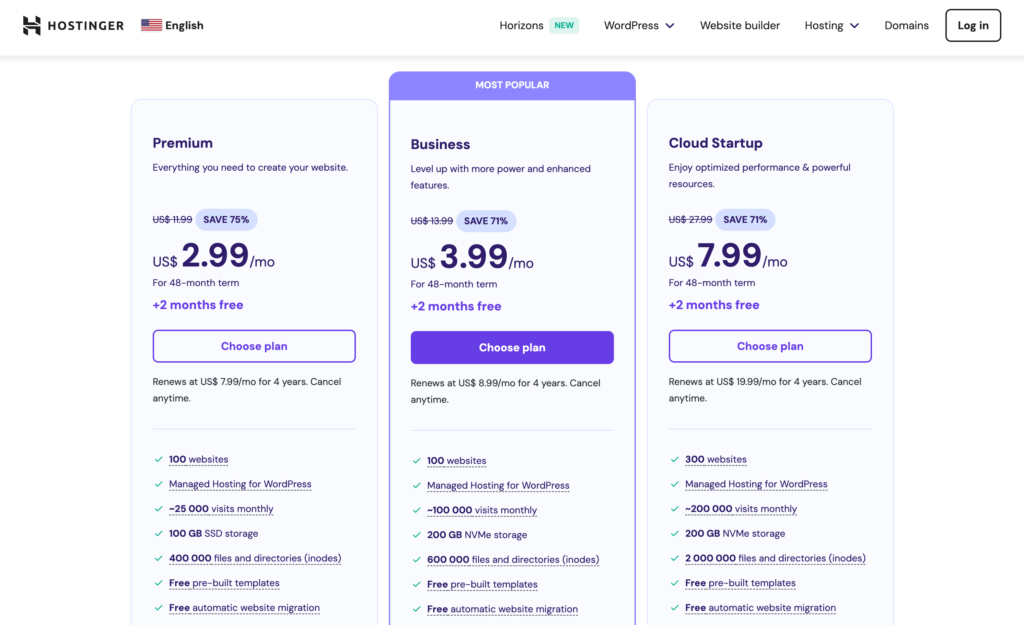
    Hostinger distinguishes itself through competitive pricing without compromising on quality. Hosting plans start at just $2.99/month, delivering extraordinary value. This pricing is especially attractive compared to competitors like Bluehost and SiteGround, which offer similar features at higher prices.

    hostinger pricing

    Explore their pricing plans here: Hostinger Pricing

    3. User-Friendly Control Panel (hPanel)
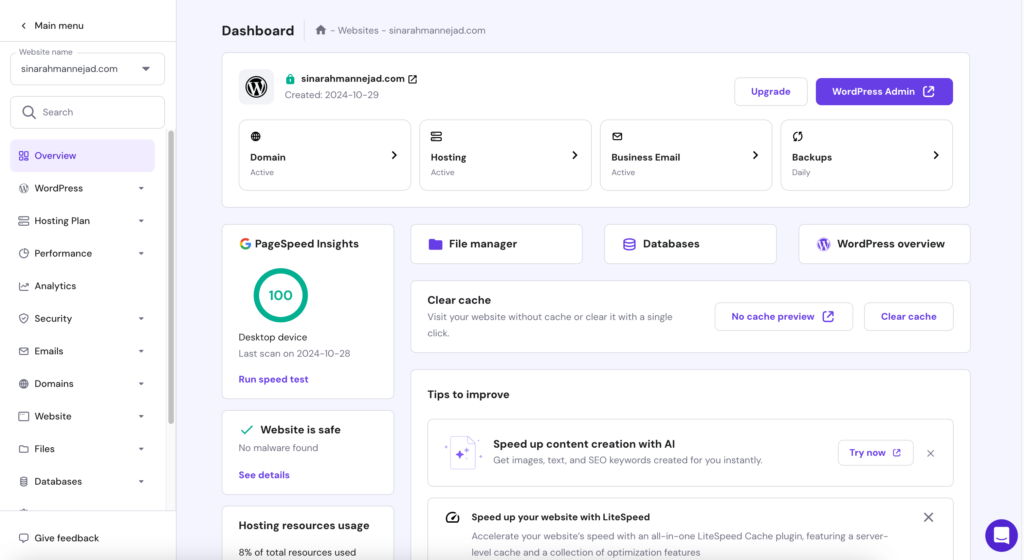
    Hostinger’s proprietary hPanel simplifies website management significantly. This intuitive interface allows beginners and non-tech-savvy users to easily manage domains, email accounts, security settings, and website installations. Unlike traditional cPanel, Hostinger’s hPanel provides a streamlined and user-friendly experience.

    hostinger hpanel

    Key Features That Set Hostinger Apart

    • Free Domain and SSL Certificate: Every annual subscription comes with a free domain and SSL certificate. This not only saves costs but also enhances your site’s credibility and security.
    • 24/7 Expert Customer Support: Hostinger’s award-winning support team is available round-the-clock through live chat, offering rapid and knowledgeable responses.
    • One-Click Application Installations: Quickly and easily install popular CMS platforms like WordPress, WooCommerce, Joomla, and Drupal through the convenient one-click installer.
    • Automatic Daily and Weekly Backups: Protect your valuable data with Hostinger’s automatic backup solutions, safeguarding your website content from accidental loss or cyber threats.

    In-Depth Real-world Performance Test

    We conducted comprehensive performance tests on a fully-functional WordPress site hosted on Hostinger, packed with rich content, high-resolution images, plugins, and heavy traffic simulation. The results were outstanding:

    • Average Load Time: 850 milliseconds
    • Uptime: 99.98% consistently over a six-month period
    google pagespeed hostinger

    These metrics, verified using Pingdom Tools GTmetrix & PageSpeed Insights, confirm that Hostinger delivers exceptional performance that genuinely supports website growth and SEO effectiveness.

    Who Should Choose Hostinger?

    • Bloggers and Small Businesses: The affordable pricing and excellent reliability make Hostinger ideal for smaller projects, blogs, and startup ventures.
    • E-commerce Stores: Speed, uptime, and robust security measures offered by Hostinger guarantee a seamless shopping experience for customers.
    • Beginners and New Webmasters: With Hostinger’s user-friendly interface and responsive customer support, managing your first website becomes easy and stress-free.

    What Users are Saying about Hostinger

    Real user reviews on platforms like Trustpilot show overwhelmingly positive feedback, highlighting excellent support, affordable pricing, and impressive performance. Read more user reviews here: Trustpilot – Hostinger Reviews

    Special Hostinger Deal for Our Readers

    Ready to experience Hostinger yourself? Hostinger is currently offering an exclusive discount for our readers. Click the link below to secure up to 75% off + an additional 20% your hosting package and claim your free domain using the link below!

    👉 Claim Your Exclusive Hostinger Discount Now

    Final Verdict: Is Hostinger Worth It?

    Hostinger undeniably delivers a comprehensive hosting solution packed with essential features, impressive performance, unbeatable pricing, and excellent customer support. If you’re seeking reliability, speed, affordability, and ease of use, Hostinger emerges as a top contender in the web hosting industry.

    Give your website the performance and reliability it deserves with Hostinger today.

    Learn more about Hostinger’s features: Hostinger Official Website

  • Future Marketing Trends in 2025: Easy Tips to Stay Relevant

    Future Marketing Trends in 2025: Easy Tips to Stay Relevant

    I’ve been noticing how things have changed so rapidly over the past few years. All those new tools, social platforms, and digital habits have seriously redefined the way we connect with folks. I’m here to share real insights that I’ve picked up from my own experiences, friends, and business owners who are knee-deep in the marketing scene. I’ll do my best to keep the language relaxed and approachable, just like we’re having a friendly chat at our favourite coffee spot here in Canada.

    I know we all want straightforward info, so here’s the plan:

    1. We’ll look at some major shifts in marketing by 2025.
    2. We’ll talk about how businesses can grow with fresh approaches—whether you’re a local café, a startup, or a big name in your industry.
    3. I’ll sprinkle in stories, tips, bullet points, and examples that make it easy to skim.
    4. We’ll also have a quick FAQ section near the end, addressing some burning questions.

    So, grab a double-double or a simple black coffee, and let’s dig right in.

    1. The Ongoing Digital Shift

    It’s no secret that digital tools have changed the way we market. By 2025, folks expect brands to be right there when they hop online. Everyone’s scrolling their feeds or checking online reviews before buying anything—even if they plan to shop in person later. The old ways of relying on print ads or radio spots aren’t totally gone, but they’re just a small slice of the entire pie.

    Let me share a quick story: A good pal of mine runs a small bakery in Vancouver. A few years ago, she only posted the occasional photo on social media. Now, she’s using a full schedule of live streams, behind-the-scenes stories, and short videos to keep her community excited. The shift to digital gave her a direct pipeline to new customers beyond her neighbourhood. And honestly, that’s what it’s all about: meeting people where they are—in this case, online.

    Tips for thriving in the online space:

    • Optimize your website: Make sure it loads fast and looks sharp on mobile devices.
    • Stay consistent on social: Post regularly, respond to comments, and keep your tone casual yet helpful.
    • Experiment with new platforms: Keep an eye on emerging social apps. Who knows, your next group of customers might hang out there.

    2. AI and Machine Learning in Marketing

    Artificial intelligence is no longer the futuristic buzzword it used to be. By 2025, companies of all sizes can easily use AI-driven tools to figure out what customers want. Personalized product recommendations, chatbots that handle questions 24/7, and predictive analytics—these are all mainstream now. Even smaller businesses can tap into these technologies without blowing their budget.

    Back in 2018, a friend of mine who runs a small e-commerce shop felt overwhelmed by data. He stumbled on an AI-based platform that helps analyze user behavior. It broke down who’s buying what, what times they shop, and where they’re located. The result? He started tailoring product promotions to each user profile. Instead of sending generic emails to everyone, he targeted them individually. Open rates and sales went through the roof. By 2025, this kind of data-driven marketing has become the norm.

    Key AI features to consider:

    • Chatbots: Provide quick answers to routine customer questions, freeing up your team.
    • Predictive analytics: Spot Marketing trends and forecast sales so you can plan campaigns with solid insight.
    • User behavior analysis: Track what works and what doesn’t, then adjust on the fly.

    3. Personalization: A Must-Have

    When I think about marketing in 2025, personalization is front and center. People get bombarded with messages all day long, so a one-size-fits-all approach just isn’t going to cut it anymore. Whether you’re sending an email or a text message, folks expect it to feel like it was crafted for them.

    I remember chatting with a Toronto startup owner who sells eco-friendly household items. She noticed that certain customers mostly buy cleaning supplies while others focus on kitchen gadgets. She started segmenting her email lists. Now, people receive info and promos related to their interests. That little shift made her customers feel understood. It’s all about putting the right product in front of the right person at the right time.

    How to add a personal touch:

    • Segment your lists: Group customers by their interests, purchase history, or location.
    • Use names and personal details: A simple “Hey, Sarah!” goes a long way in an email.
    • Send timely offers: If you know someone’s birthday is coming up, a thoughtful discount can spark loyalty.

    4. Ethical and Privacy Concerns

    I’ve noticed more awareness about data privacy over the last few years, and it’s only growing stronger. Laws, guidelines, and general public sentiment have all pushed businesses to handle data responsibly. By 2025, if you’re not transparent about how you collect and use information, you’ll probably lose trust—fast.

    Companies need to be open about what data they gather and how they store it. Giving customers options to opt out of certain tracking is also wise. The last thing anyone wants is a news headline about a data leak. It’s not just a legal matter; it’s about treating your audience with respect.

    Ways to build trust:

    • Show clear policies: Share an easy-to-read privacy policy so people know where their info goes.
    • Ask for consent: Don’t bombard folks with marketing messages without their permission.
    • Secure your data: Regularly update and strengthen your cybersecurity measures.

    5. The Human Touch in Automation

    Automation is great. It makes repetitive tasks quicker, whether you’re scheduling social posts or sending welcome emails. But sometimes, too much automation can feel cold. People crave authentic conversation. I’ve chatted with folks who can immediately spot an auto-response. While they accept it, they also appreciate a real human following up later.

    By 2025, the trick is balancing streamlined automation with personal attention. That might mean using a chatbot for the initial chat, then having a live person jump in if the user’s question is more nuanced. Or it might mean automating your social media scheduling, but still hopping online to engage with comments in real-time.

    How to keep a human feel:

    • Use friendly language: Even in automated emails, sound like a real person.
    • Acknowledge confusion: If a question is complex, say you’ll connect them with a team member.
    • Don’t hide contact info: Make it super easy for people to speak to a real person if needed.

    6. The Rise of Short-Form Video

    Video has been growing for years, but short-form content is the star of 2025. People’s attention spans are short, and platforms that feature bite-sized clips are in high demand. Whether it’s quick tips, teasers, or product demos, short videos let you deliver your message before viewers scroll on.

    A friend of mine up in Edmonton runs a fitness coaching service. She used to post full workout videos on her channel, but found that short 30-second clips of easy exercise moves got way more engagement. People liked the quick hits of info, and they could replay them as needed without skipping around a longer video. It’s proof that sometimes less is more.

    Quick video tips:

    • Focus on one main point: Don’t overwhelm viewers with too many ideas in a single clip.
    • Use captions: Many folks watch videos on mute, so subtitles matter a lot.
    • Stay consistent with branding: Use the same fonts, colours, or style so people recognize you instantly.

    7. Micro-Influencers and Their Power

    Celebrity endorsements can still work, but I’ve noticed that micro-influencers often have tighter bonds with their followers. By “micro,” I’m talking about individuals with anywhere between a few thousand to maybe 50k or 100k followers. They might not have the massive numbers, but their communities trust them because they’re relatable.

    Take my cousin in Calgary who’s into home décor. She has about 20k followers, which isn’t huge, but her audience loves her genuine reviews of local décor shops. When she features a new item, her followers are likely to check it out. Brands have caught on that these smaller voices can have a big impact in niche markets.

    Working with micro-influencers:

    • Look for authenticity: Check if their content feels genuine, not forced.
    • Discuss terms clearly: Set expectations for what they’ll post, how often, and any payment or free product arrangement.
    • Long-term relationships: A consistent partnership often feels more genuine than a one-off post.

    8. Niche Marketing Takes Center Stage

    I’ve always found it cool how niche markets can create super loyal followers. By 2025, I see more businesses zeroing in on smaller groups rather than trying to speak to everyone. With so many brands out there, focusing on a specific audience can really help you stand out.

    For example, I know a man in Ottawa who set up an online store just for high-quality pet accessories, mainly for large breeds. He realized that giant dogs often have special needs that typical pet stores don’t address. By serving that niche, he built a loyal fan base. He even started a newsletter with tips for caring for larger dog breeds. Customers felt like he was speaking directly to them.

    How to dial into a niche:

    • Do your homework: Understand the unique pain points or desires of that group.
    • Create targeted content: Produce blog posts, videos, or social content that speak to their interests.
    • Engage with the community: Join online forums or local groups related to that niche.

    9. Social Commerce

    Social media used to be just a place to connect, share pictures, and chat. But come 2025, shopping directly through social platforms is as common as heading to your local mall. People see a product in a post, tap a button, and buy it right away. This seamless purchase experience can be a game-changer for businesses.

    A local clothing boutique in Halifax started connecting their online shop with their social accounts. Customers could buy the featured item without leaving the app. The boutique’s sales spiked, and they discovered that folks appreciated the instant buying option. It cut down on friction and turned casual browsers into real customers.

    Making social commerce work:

    • Set up a clear product catalog: Make sure product images, descriptions, and prices are up to date.
    • Offer exclusive social deals: Encourage followers to shop directly on the platform by offering special discounts.
    • Streamline checkout: The fewer steps it takes to buy, the better.

    10. Voice Search Optimization

    If you ask me, voice assistants have come a long way. Whether you use your phone’s built-in assistant or a smart speaker, voice search is a daily habit for tons of people. By 2025, an even larger slice of searches will be voice-based. That means your website content should be ready for questions like “Where can I find the best sushi in Toronto?” or “What’s the cheapest furniture store near me?”

    This isn’t just about keywords typed into a search bar. It’s about how real people talk. So, try weaving more natural language into your content.

    Tips to get voice-search-friendly:

    • Use conversational language: Write headings that match what people might say out loud.
    • Focus on local SEO: Voice searches often include “near me” or specific location terms.
    • Answer questions directly: A short, to-the-point answer can get featured in voice results.

    11. Interactive Content

    By 2025, interactive elements have become commonplace in marketing. It could be quizzes, calculators, polls, or mini-games. Why does this matter? Folks love to engage with brands in a fun, hands-on way. When they interact, they’re likely to remember you later.

    My friend works at a tourism board in Quebec, and they hosted an online quiz titled “Which Quebec City Experience Suits You Best?” People shared their quiz results on social media, sparking curiosity among others who then took the quiz themselves. It was not only fun but also boosted brand awareness in a big way.

    Some interactive ideas:

    • Personality quizzes: Let users find out their “style” or “type,” then recommend products.
    • Calculators: Show them how much they might save or how long something lasts.
    • Polls: Ask for opinions on upcoming launches, making your audience feel involved.

    12. Community Building and Brand Loyalty

    I’ve always believed that loyal customers are worth their weight in gold. By 2025, companies are doubling down on community-building efforts. When people feel like they’re part of a group, they’re more likely to stick around and tell their friends about you.

    A buddy in Winnipeg runs an online board game shop. He set up a Facebook group for board game fans, where they swap tips, unboxing photos, and suggestions. He occasionally pops in to answer questions, but mostly the group runs itself. This sense of community has transformed his occasional customers into raving fans who not only buy more games but also spread the word.

    Ways to grow a community:

    • Start a private group: Whether it’s on social media or a forum, let customers connect.
    • Host online meetups: Casual hangouts, Q&A sessions, or tutorials can spark real friendships.
    • Encourage user-generated content: Share customer stories, photos, or reviews on your main channels.

    13. Sustainable Marketing

    Here in Canada, I see a big push for environmental responsibility. People want to support businesses that reduce waste, source ethically, and promote greener practices. By 2025, that Marketing trend has grown stronger. Marketing that highlights genuine eco-friendly steps feels honest and wins trust.

    Think about a coffee shop chain that decides to use compostable cups, local beans, and reduce single-use plastics. Sharing that journey on social media or in-store signage often resonates with customers. But it’s crucial that it’s not just a pretty claim; it has to be backed by real action. If you’re serious about it, people will notice.

    Eco-friendly steps to consider:

    • Reduce packaging: Look into biodegradable or recyclable materials.
    • Highlight local partnerships: Support local farmers or artisans and share those stories with your audience.
    • Transparency: If you make mistakes, own up to them. People appreciate honesty.

    14. Omnichannel Marketing

    The concept of serving customers on multiple channels has been around, but by 2025, it’s even more important. Whether someone’s browsing your website, messaging you on Facebook, or visiting your physical store, they expect a consistent experience. One slip in communication and you can lose a sale.

    For instance, if your online store says an item is in stock, but the physical location says it’s sold out, that’s a problem. Or if someone chatted with your support team on social media, and then calls your helpline and has to repeat all the details, that’s frustrating. Getting it right means your customer feels you’re truly organized.

    How to keep your channels aligned:

    • Use centralized data: Keep track of inventory, orders, and customer interactions in one place.
    • Offer consistent branding: Same logos, tone, and style across all channels.
    • Train your team: Ensure everyone knows how to handle customer inquiries seamlessly.

    15. AR and VR Are More Common

    Augmented reality (AR) and virtual reality (VR) sounded like sci-fi not too long ago, but now they’re in everyday marketing strategies. By 2025, it’s pretty normal to offer a virtual try-on for clothes or let users preview furniture in their living room using AR. It’s all about giving people a feel for the product before buying.

    I’ve seen a local eyewear brand in Toronto let customers “try on” glasses virtually. You just upload a photo or use your camera, and you can see how different frames might look. That level of interaction can reduce returns and boost confidence in a purchase.

    Ideas for AR/VR use:

    • Virtual tours: If you run a hotel or event space, give a 3D walk-through.
    • Try-before-you-buy: Let shoppers see how clothing, makeup, or accessories look on them.
    • Interactive games: Create a small AR experience to show off new products or promotions.

    16. Content Remains King (But Quality Matters More)

    You’ve probably heard “content is king” plenty of times. By 2025, it’s still true—just cranked up a notch. Everyone is creating content, but not all of it is good. People can tell when something’s slapped together. Quality content—whether it’s blog posts, videos, or social stories—builds trust.

    A friend of mine who owns a small digital marketing agency in Montreal swears by consistent, well-researched blog posts. Her clients who put out valuable, trustworthy content see better search rankings and more engagement. It’s not about pumping out 10 blogs a week; it’s about publishing solid pieces that answer real questions.

    Content tips:

    • Plan ahead: Create a content calendar so you don’t scramble for ideas last minute.
    • Focus on value: Help solve a problem or share fresh insight. Don’t just fill space.
    • Vary formats: Mix up videos, infographics, podcasts, and written posts.

    17. The Importance of Email in 2025

    Email might be considered old-school compared to flashy social apps, but it still drives impressive results. By 2025, email marketing is more personalized, automated, and interactive than ever. People check their inbox often, especially for deals, coupons, and news they care about.

    I recall a restaurant owner in Regina telling me how an automated welcome series changed everything. A new subscriber would get a quick thank-you email with a discount code. Then a few days later, a friendly follow-up with chef’s specials. Then a week later, an invitation to a VIP tasting event. That sequence built anticipation and trust, leading to more reservations.

    Email marketing pointers:

    • Segment lists: Send relevant messages to different groups.
    • Automate where possible: Welcome emails, birthday discounts, cart-abandonment reminders, etc.
    • Keep it short and sweet: People scan emails, so be concise and clear.

    18. User-Generated Content Takes the Spotlight

    People trust recommendations from each other. By 2025, brands are encouraging more user-generated content (UGC). Whether it’s customer photos, reviews, or testimonials, UGC shows that real people love what you offer. That sense of social proof is often more persuasive than fancy ads.

    A small skincare brand in Nova Scotia asked customers to share before-and-after shots and tag them on social media. The brand then reposted the best ones (with permission). These authentic photos helped convince new followers to give the products a try. It felt more real than a shiny photo shoot with professional models.

    Encouraging user-generated content:

    • Run contests: Ask followers to submit content with a branded hashtag.
    • Feature the best entries: Put them on your website or social channels.
    • Reward participation: Offer discounts or special shout-outs to loyal fans.

    19. Chat Marketing and Conversational Commerce

    People want answers right away. By 2025, chat-based marketing—using tools like Messenger or WhatsApp—has become super common. It’s not just for customer support. Brands also send personalized promos or updates directly through chat apps.

    I’ve seen a local travel agency in Toronto use a chat-based system to share last-minute deals. They’d blast out a message like, “Hey, here’s a special on flights to Calgary for the weekend—50% off if you book by midnight.” Because the message was direct and time-sensitive, folks jumped on it. It’s a different vibe than email, often feeling more personal. But remember, always get consent before sending any marketing messages through chat.

    Chat marketing basics:

    • Keep it short: People don’t want long paragraphs in a chat window.
    • Add a friendly tone: “Hi, Sarah! We’ve got news for you!” feels better than “Attention, customer.”
    • Allow easy opt-outs: Make it simple for users to stop receiving messages if they want.

    20. The Shift to Authentic Storytelling

    Whether it’s a small local business or a multinational corporation, there’s a clear preference for genuine stories. By 2025, brand storytelling that feels honest connects more effectively than overproduced ads. People want to see behind-the-scenes moments, real employees, and genuine accounts of how the product or service was created.

    I remember watching a mini-doc by a local farm in Manitoba. They shared how they sustainably grow produce, the challenges they face, and the people behind the scenes. There were no corporate bells and whistles—just real footage and honest narration. I found myself oddly drawn in, and I’m not even a big farming enthusiast. Authenticity just resonates.

    Building authentic stories:

    • Introduce your team: Show the faces and personalities behind your brand.
    • Share challenges and triumphs: It’s not always smooth sailing, and that’s okay.
    • Use multiple formats: Mix short social posts with longer documentary-style videos.

    21. Local SEO and Hyperlocal Marketing

    By 2025, local search optimization is more critical than ever, especially for brick-and-mortar shops. People want to find businesses nearby—be it a bakery, electronics store, or hair salon. Google My Business (or whatever it’s called by then) is a key platform for listing hours, photos, and reviews. Good reviews can bring in a ton of foot traffic.

    I’ve seen local shops in St. John’s ask happy customers to leave a quick Google review. With more reviews and updated photos, their store pops up at the top of local searches. It’s a simple step that some businesses still overlook, but it can pay off big time.

    Tips for local visibility:

    • Claim your business listings: Update your address, phone, hours, and photos.
    • Encourage reviews: Politely ask satisfied customers to rate you online.
    • Use local keywords: Mention your city, neighbourhood, or region in your web content.

    22. Data and Metrics Matter More Than Ever

    If you ask me, data-driven decisions will never go out of style. By 2025, the tools for gathering and analyzing metrics are more accessible, even for small operations. From email open rates to social engagement stats, everything can be tracked and measured. But the real key is knowing what to do with all that info.

    For instance, a small business owner in Saskatoon might notice their Facebook posts perform better at 8 PM than at 9 AM. They’d tweak their posting schedule accordingly. Or maybe their email click-through rate spikes when they include a discount code. That leads them to send more promotional emails. Data isn’t just numbers—it’s insight on what people actually respond to.

    Measuring what matters:

    • Focus on meaningful metrics: Engagement, conversions, and actual sales matter more than vanity stats.
    • Set clear goals: Whether it’s more web traffic or more leads, define what success looks like.
    • Adjust as you go: Don’t be afraid to pivot if the numbers tell you something’s off.

    23. Balancing Online and Offline

    Even though we’re living in a world that leans heavily online, brick-and-mortar experiences still matter a ton. By 2025, the trick is tying both worlds together. Some folks research online, then pick up in-store. Others discover new things in-store, then follow you on social. Keeping your messaging and branding consistent across these touchpoints is crucial.

    A clothing boutique in Yellowknife launched an online shop to reach customers who couldn’t make it to their physical store. They kept the same cozy vibe, posted in-store event photos on social, and offered an easy pick-up option for locals. This built a sense of unity between digital and physical experiences.

    Bringing it all together:

    • Offer in-store pick-up: Let local buyers save on shipping.
    • Promote your website in-store: Encourage visitors to follow you online for exclusive deals.
    • Align your look and feel: Use the same color palette, fonts, and tone everywhere.

    24. The Growth of Subscription Models

    By 2025, subscription-based services aren’t just for streaming shows. Now, we have subscription boxes for everything from snacks to makeup to pet toys. Why do people like them? Predictable costs, convenience, and the excitement of receiving something new every month.

    A colleague in Victoria launched a monthly subscription for artisanal coffee beans sourced from across Canada. His customers love the surprise of trying different roasts without having to reorder manually. This recurring model gives him a steady cash flow and helps with inventory planning.

    Tips for subscription success:

    • Make it unique: Offer something they can’t easily find in stores.
    • Keep it flexible: Let customers pause or cancel without hassle.
    • Add some perks: Exclusive discounts, early access, or community chats just for subscribers.

    25. Reinventing Customer Service

    Customer service is part of marketing too. By 2025, more brands are taking a proactive stance—reaching out to customers before problems arise. For example, if shipping is delayed, they might send an apology and a small coupon to offset the inconvenience.

    I recall an airline company that sent me a text update about a flight delay, plus a $15 voucher for the airport café. It turned a negative into a somewhat positive experience. By being one step ahead, they showed they cared about my time and frustration levels.

    Making customer care special:

    • Anticipate issues: If you see a big storm in your region, warn customers of delays.
    • Offer simple solutions: A coupon, a free extra, or a sincere apology can keep people happy.
    • Train all staff to be helpful: From social media managers to frontline workers, everyone should be ready to assist.

    26. Podcasts and Audio Marketing

    Podcasting has become a mainstay in content strategies by 2025. It’s not just big media companies creating episodes. Small businesses and personal brands can jump in too. If you have something meaningful to say or an interesting angle, a podcast can be a fantastic way to build an audience.

    My friend in Toronto started a podcast about eco-friendly living. She invites guests to discuss topics like zero-waste grocery shopping or green travel. She also plugs her online store that sells related products. It feels natural, as the podcast content aligns with her brand. If done right, audio marketing can be a relaxed way to showcase expertise and build trust.

    Launching a podcast:

    • Pick a niche: Focus on a specific topic or angle that’s relevant to your brand.
    • Keep it consistent: Weekly or bi-weekly episodes help listeners form a habit.
    • Promote on other channels: Share episode highlights on social media or in email newsletters.

    27. Gamification Strategies

    By 2025, businesses have found creative ways to gamify interactions. Think point systems, rewards, or friendly competitions that encourage engagement. This approach taps into people’s love of challenges and recognition.

    I once joined a local bookstore’s rewards program in Vancouver. Every time I purchased a book, I’d earn “reading points.” Once I collected enough, I’d get a discount on my next buy. They also had fun reading challenges like “complete five mysteries in a month,” with store credit for finishing. It made the shopping experience feel more interactive and kept me coming back.

    Ideas to gamify your marketing:

    • Point-based rewards: Let people accumulate points for buying, referring friends, or reviewing products.
    • Community challenges: Host contests or challenges with small prizes or public shout-outs.
    • Track progress: Show how close they are to the next reward, keeping motivation high.

    28. Collaborations and Co-Marketing

    Partnering with other brands can open the door to fresh audiences. By 2025, co-marketing campaigns are more frequent. Maybe a small chocolate company pairs with a local winery to create special gift baskets. Or a skincare brand teams up with a wellness coach for a limited-edition self-care kit.

    A local example I saw: a Toronto-based yoga studio teamed with a healthy meal delivery service. They offered a package deal of online yoga classes plus weekly meal boxes. Both brands reached new customers, and it felt like a natural pairing since both target folks interested in wellness.

    How to do co-marketing right:

    • Pick a complementary partner: Your audiences should overlap but not fully.
    • Plan shared promotions: Create special deals, bundle offers, or joint events.
    • Share the data: Compare notes on how well the campaign did and learn from each other.

    By 2025, new marketing trends pop up every other month. It can be intimidating, especially for small businesses that don’t have huge budgets or big teams. The key is to pick the trends that make sense for you. You don’t have to chase every shiny new thing. Focus on what aligns with your brand and audience.

    For example, a small bakery in Montreal might not need an augmented reality app. But they could use short-form videos showing recipe teasers or behind-the-scenes dough prepping. They might also benefit from partnering with local micro-influencers. It’s about picking the right moves for your unique situation.

    Staying sane with trends:

    • Watch your audience: Are they talking about a specific platform? That might be where you need to be.
    • Test on a small scale: Dip your toes in before you invest a lot of time or money.
    • Evaluate results honestly: If it’s not working, move on.

    30. Pulling It All Together

    We’ve covered a lot—everything from personalization and AI to community building and ethical marketing practices. By 2025, marketing is much more about connecting with people in ways that feel real. The best strategies aren’t always the flashiest; they’re the ones that make folks feel seen and respected.

    I like to think of marketing as a conversation. When I’m talking to a friend, I don’t just shout about how awesome I am. I listen, I share genuine stories, and I figure out how I can help. In the same way, marketing in 2025 is about building relationships over time, using the tools and techniques that suit your brand, and staying open to changes that can help you reach your goals.

    Marketing in 2025 is the journey that ties all these threads together, connecting businesses with the right folks in meaningful ways.


    Frequently Asked Questions

    Q: How do I start using AI for my small business?
    A: Look for user-friendly tools that fit your budget—maybe an email marketing service with AI features or a chatbot plugin for your website. Start with one or two features, see how they work, and grow from there.

    Q: Should I invest in video marketing or podcasting first?
    A: That depends on your audience’s preferences. If they love video and short clips, lean into that. If they enjoy longer discussions and might listen while commuting, consider a podcast. Or try both in small test runs.

    Q: Is email marketing still effective by 2025?
    A: Absolutely. People still check their inbox daily. The key is making emails relevant and appealing, not generic spam. Use segmentation and personal touches to stand out.

    Q: How can I build trust if I’m new to the market?
    A: Be transparent, offer a solid guarantee or return policy, and encourage reviews from satisfied customers. Share behind-the-scenes glimpses of your process or production. Authenticity can go a long way in establishing trust quickly.

    Q: Do I need to hire a specialist for social media?
    A: It depends on your time and resources. If social media is core to your marketing strategy, a dedicated specialist or agency can help you be more strategic. If you have the time and willingness to learn, you can handle it in-house, at least initially.

    Q: How do I manage so many channels without getting overwhelmed?
    A: Start small. Focus on the few channels where your audience is most active. Use scheduling tools and batch your content creation. As you grow, you can add more channels or hire help.

    Q: What if AR or VR doesn’t fit my brand?
    A: Don’t force it. Some industries benefit more from AR/VR than others. If your audience would find value, give it a try. If not, direct your energy elsewhere.

    Q: How do I handle data privacy?
    A: Be upfront. Inform users about what data you collect and why. Offer easy opt-out methods, keep data secure, and follow local regulations. If you’re not sure, consult a privacy expert.


    That’s a wrap on our deep look at marketing in 2025. I hope these insights spark some ideas or confirm that you’re on the right path. Times are always shifting, but at the end of the day, it’s about connecting with your audience in a genuine way. When you keep an open mind, treat people with respect, and stay curious about new trends, you’ll be in a great spot to make the most of marketing in 2025.


  • How to Start a Podcast for Free 2025: The Ultimate Step-by-Step Guide!

    How to Start a Podcast for Free 2025: The Ultimate Step-by-Step Guide!

    If you’ve been itching to start a podcast and you’re on a tight budget, you’re in the right place. This article will break down everything you need—tools, tips, and insider know-how—to start a podcast for free. Whether you’re planning your first podcast in your living room or dreaming of a good podcast setup that doesn’t cost an arm and a leg, I’ve got your back.

    Why is this worth reading? Because I’m going to share practical ways to start a podcast for free, find a good podcast microphone (or a workaround if you can’t afford one), and get that first podcast episode out into the world. From brainstorming your podcast topic to getting listed on apple podcasts and spotify for podcasters, let’s keep it simple and fun. No fancy words, no complicated steps—just straightforward advice, like chatting over coffee.

    Why Should You Start a Podcast and Is It Really a Free Podcast Option?

    If you want to start a podcast, you’re probably wondering: is it possible to start a podcast for free? The short answer is yes. Today, you don’t need pricey gear or a huge production team. Many people begin with a new podcast using basic tools already on hand—like a smartphone and free podcast apps. There are also free podcast hosting platform services and free podcast recording tools that let you keep costs down. It’s all about making the most of what you have and focusing on creating good podcast content that hooks your audience. As you set up your podcast, remember that authenticity often beats fancy equipment.

    The urge to create a podcast might come from loving certain shows, wanting to share your perspective, or hoping to build a community. Whatever the reason, when you start a podcast, it’s like adding your voice to a global conversation. Every podcast you record is a chance to reach new listeners and share your unique story. Plus, a podcast format lets you talk about nearly anything. Whether it’s interviews, roundtable chats, or solo monologues, you can pick a podcast topic you care about and just get your show rolling. It’s truly a great place to start if you’ve been searching for a way to share your passion.


    How to Choose the Right Podcast Equipment and Podcast Recording Setup Without Blowing Your Budget?

    One major worry people have before they start a podcast is the cost of podcast equipment. The truth is, you don’t need a $500 podcast microphone to begin. A simple USB mic can do the trick, or you can even use your phone’s built-in mic at first. If you want to record a podcast that sounds decent, focus on reducing background noise and choose a quiet room. If you’re on a tight budget, consider borrowing gear, checking local classifieds, or asking friends if they’ve got a spare mic lying around. Your first podcast doesn’t have to be perfect; it just has to get done.

    Once you pick your podcast equipment, make sure you’re comfortable using it. Test out your recording levels and practice speaking into the microphone. Don’t stress if it’s not studio quality yet. Many of the world’s top podcast shows started rough and improved over time. You can always upgrade as you gain traction and start recording more frequently. Eventually, you might add a pop filter, better headphones, or even invest in a proper podcast studio. But for now, keep it simple. The key is to start your podcast without overthinking the gear.


    How to Start a Podcast for FreeWhat Is the Easiest Way to Start Recording Your First Podcast Episode Right Now?

    If you want to learn how to start a podcast, one of the first steps is just hitting that record button. Start recording by grabbing whatever device you have: a computer, smartphone, or even a tablet. Sit down, think about your podcast topic, and start talking. Don’t worry if it feels awkward the first time. Your first podcast episode is often a learning experience. You might fumble your words or realize you need a podcast script. That’s all normal. The main thing is to record your first podcast episode and break that initial barrier.

    If you feel a bit nervous, outline your talking points beforehand. Keeping notes helps, so you don’t lose your train of thought. Also, it’s nice to have some structure—like a clear intro and outro—so your listeners know what to expect. Remember, your goal for this initial step isn’t to create a perfect or edited podcast. It’s just to record a podcast, feel out your voice, and understand the process. With every podcast you record, you’ll get better at pacing, tone, and content.


    adudacity podcast

    How Can You Record Your Podcast and Edit Your Podcast Using Free Podcast Recording and Editing Software?

    When you’re ready to get a bit fancier, look into free podcast recording and editing software that can help you polish your sound. Tools like Audacity (available on Windows, Mac, and Linux) or GarageBand (if you’re on a Mac) let you record a podcast and add a professional touch without spending a dime. These apps are pretty straightforward, and you’ll be able to trim out awkward pauses, drop in a short podcast intro, and even layer some podcast music or sound effects underneath your voice. As you edit your podcast, watch your volume levels so that nothing ends up too quiet or too harsh on the ears. You’ll want a smooth, consistent sound that keeps your podcast listeners comfortable as they tune in.

    A handy tip is to record in a quiet, carpeted room to reduce background noise, and speak clearly into your podcast microphone. Once you’re done, open up your editing tool and focus on the basics: cut out long silences, chop off any random “ums” that bug you, and maybe add a bit of music at the start to set the mood. Experiment with transitions between segments, so your podcast episodes flow naturally. Maybe you’ll add a quick intro and outro or a short snippet of music before you jump into the main talk. The first few times you record your podcast, you might feel unsure about which parts to trim or how to blend in music. Don’t sweat it—just play around and learn as you go. Over time, you’ll get a feel for what sounds good.

    As you gain confidence, you can try out more advanced editing tricks. Things like equalization (to make your voice sound warmer), compression (to even out volume levels), or light noise reduction can help you achieve a good podcast sound. Don’t try to become an editing wizard overnight, though. When you start a podcast for free, keep it simple. Your priority is getting your new podcast out there, learning from feedback, and putting out a steady stream of podcast content that keeps folks coming back. Your first few attempts might not sound perfect, but that’s totally fine. With each first podcast recording session, you’ll feel more at ease, and it’ll show in your edited podcast.

    If you feel stuck, there are countless free tutorials online that walk you through each step of using Audacity or GarageBand. It’s like having a friendly coach on standby. Plus, if you’re planning to publish your podcast to major podcast directories, including apple podcasts or spotify for podcasters, a bit of light editing can make you stand out. Ultimately, the goal isn’t to be a pro editor—it’s to share your story, connect with others, and distribute your podcast in a way that feels natural. Keep it low pressure, keep learning, and soon you’ll be zipping through the editing process like it’s no big deal.


    Where Can You Find Podcast Music and Craft a Great Podcast Intro That Listeners Love?

    Finding podcast music doesn’t mean blowing your budget. There are plenty of royalty-free music libraries online where you can snag a short, catchy piece for free. A good podcast intro can set the tone for your whole show. It’s often just a few seconds of music plus a quick welcome. Think about what best represents your new podcast. Is it fun and lighthearted or thoughtful and serious? Choose podcast music that fits your vibe.

    Once you have your intro and maybe an outro to wrap things up, you’ve got a consistent sound that listeners will recognize each time. Adding these little touches makes your show feel more professional. It also helps you stand out among the thousands of other shows on apple podcasts and podcast directories. Don’t forget to keep it short—listeners appreciate when you get to the point. Make that intro count, and you’ll be well on your way to producing a successful podcast.


    How to Decide on a Podcast Format and Create Eye-Catching Podcast Cover Art?

    Choosing a podcast format might feel tricky, but don’t stress. Do you want your show to be interview-style, solo commentary, a roundtable with friends, or a narrative series? Pick what feels right for your podcast topic and personal style. Every podcast format has its perks. A simple solo format is easy to produce, while interviews can bring fresh perspectives. Once you settle on a format, stick with it for a few episodes to see if it clicks.

    Next, you’ll need podcast artwork. This is often the first thing folks see when they come across your show. A simple design with your podcast title and maybe a related image can do wonders. You can create a podcast cover art using free online tools like Canva. Make sure your podcast artwork looks good as a small thumbnail, because that’s how most people see it on podcast apps. Good podcast art is like a billboard for your show—it should catch the eye and give people a clue about what you’re all about.

    spotify podcast

    How Do You Distribute Your Podcast to Spotify for Podcasters and Other Podcast Directories?

    After you’ve got a few episodes ready, it’s time to distribute your podcast. You can use a podcast hosting platform (some are free) to get your show out there. Many folks start a podcast for free using a free podcast hosting service that generates your show’s RSS feed. With that RSS feed, you can distribute your podcast to directories like apple podcasts, spotify for podcasters, Google, and more. Getting your show listed is key to reaching more podcast listeners.

    Once you submit your show, it can take a few days before it appears in different podcast directories. After that, new episodes you publish will show up automatically. Make sure your podcast description is clear and includes some keywords related to your podcast topic. This helps people find you when they search. Once you’re live, monitor your podcast analytics to see how many folks are tuning in. With time, you’ll gain insights into your audience and what they enjoy.


    How to Publish Your Podcast and Start a Podcast in 10 Simple Steps?

    To summarize a straightforward process:

    1. Pick a podcast topic you’re excited about.
    2. Name for your podcast that’s easy to remember.
    3. Record a podcast using basic gear.
    4. Podcast editing: trim and polish your audio.
    5. Podcast artwork: make a simple, clean design.
    6. Podcast hosting platform: find a free or low-cost option.
    7. Get your show on directories like apple podcasts and spotify for podcasters.
    8. Share your podcast links on social media and with friends.
    9. Promoting your podcast: use social media and guest appearances.
    10. Grow your podcast by listening to feedback and trying new things.

    These are the basics to start a podcast in 10 steps. None of this requires a huge upfront cost. You can start a podcast for free by being resourceful. Many people worry about making a popular podcast right away, but that’s not realistic. Focus on building a solid foundation—good sound, a clear direction, and a consistent schedule. Over time, you’ll want your podcast to sound better, attract more listeners, and maybe turn into a successful podcast. Patience and persistence are key.


    How Can You Promote and Monetize Your Podcast Without Spending a Fortune?

    Promoting your show doesn’t mean throwing money at ads. You can grow your podcast by sharing clips on social media, talking about it on other platforms, or asking friends to spread the word. Consider featuring podcast guests with their own audiences. When they appear on your show, they might share it with their followers. Connect your show notes to helpful resources, tag relevant people on social, and consider a podcast website where you can post transcripts or extra content. It’s all about being present where your podcast listeners hang out.

    Monetize your podcast once you have a stable audience. You don’t need thousands of listeners. Even a small, loyal audience can support you through donations, memberships, or affiliate links. Some podcasters integrate short sponsor messages within their episodes. Just keep it genuine and relevant. Monetizing should never compromise your content quality. Remember, your main goal is to deliver good podcast episodes and keep listeners coming back for more.

    If you’re just starting out, monetizing might feel like a far-off goal. That’s okay. Focus on building trust and producing an edited podcast that sounds good. Over time, as you publish your podcast more consistently, you’ll have opportunities to turn your passion into income. Just don’t rush it. Quality, authenticity, and consistency count more than quick bucks.


    FAQs and Troubleshooting Your New Podcast Journey

    Q: “What is a podcast?”
    A: A podcast is basically an audio show you can listen to on-demand. It’s like listening to a friend talk, interview someone, or tell a story, but on your schedule. You can create a podcast about anything—sports, cooking, business—anything goes.

    Q: I want to start a podcast but feel stuck. Any tips?
    A: If you want to start a podcast and don’t know how, just begin with the simplest steps. Record a podcast on your phone, pick a basic podcast hosting service, and share your first episode with close friends. You’ll learn a ton by doing. Also, remember that your first episodes don’t have to be perfect. Aim for progress, not perfection.

    Q: How do I handle a remote podcast with guests in different locations?
    A: Try free podcast recording software like Zoom, Cleanfeed, or Skype with a recording add-on. Make sure your guests wear headphones to avoid echo. You can always edit out background noises later.

    Q: How do I choose a good podcast mic?
    A: Start cheap. A USB mic from your local electronics store or an affordable model online works well enough. As your show grows, consider upgrading. A good podcast mic can run under $100 and still produce decent sound.

    Q: Can I make a video podcast version and put my podcast on youtube?
    A: Sure, if you’ve got the time. Filming yourself while you record a podcast lets you share it on youtube, which can attract a different audience. Just keep in mind the extra editing time.

    Q: How do I come up with a podcast description that attracts listeners?
    A: Keep your podcast description short, clear, and packed with relevant keywords. Mention your podcast topic, who it’s for, and what kind of content people can expect. Make it sound casual and friendly—like you’re describing the show to a buddy.

    Q: What about choosing a podcast name?
    A: Picking the right podcast name is important. Brainstorm a few that reflect your topic and tone. Make it short, easy to spell, and memorable. If you’re stuck, ask friends for feedback.

    As you continue your podcast journey, you’ll probably face hiccups—maybe struggling with podcast analytics, dealing with a tricky podcast recording, or needing to tweak your podcast script. Don’t panic. One of the best ways to learn is by trial and error. If your format isn’t working, try something else. If your sound quality is poor, try recording in a quieter spot or putting a blanket over hard surfaces. If you stumble over words, write a loose script. Each small improvement will help your show stand out.

    If you find that one approach doesn’t suit you, try another podcast tactic. Maybe changing your podcast studio setup or cutting your episodes shorter helps. Maybe inviting podcast guests changes the vibe in a good way. If promoting your podcast feels hard, tap into social communities, and ask for feedback. Remember, everyone started somewhere. Even the top podcast creators started with zero listeners. Keep tinkering and having fun. Over time, you’ll build a stable audience. In a year, you might look back at your start a podcast days and feel proud of how far you’ve come.


    Bullet Point Summary: Key Takeaways

    • Start a podcast by using what you have, even a phone.
    • Keep it simple, and don’t worry about fancy gear.
    • Choose a podcast hosting platform that’s free or cheap.
    • Plan a podcast topic you’re passionate about.
    • Record a podcast and make small audio edits with free tools.
    • Add podcast artwork, a quick intro and outro, and maybe some background music.
    • Distribute your podcast to apple podcasts, spotify for podcasters, and other podcast directories.
    • Experiment with your podcast format until it feels right.
    • Use social media and promoting your podcast strategies to attract podcast listeners.
    • Over time, monetize your podcast with sponsors or memberships.
    • Track your podcast analytics and adjust as needed.
    • Stay patient, keep learning, and always remember why you decided to start a podcast in the first place.

    In the end, if you’re still on the fence, just remember: it’s never been easier to start a podcast for free and share your voice with the world. So go ahead—start a podcast and keep growing step by step.

  • Is Your Social Media Marketing Failing? Here’s What You’re Doing Wrong!

    Is Your Social Media Marketing Failing? Here’s What You’re Doing Wrong!

    Social media marketing might feel like a guessing game right now. You set up your profiles, post some content, and yet you’re not seeing much traction. It’s frustrating, right? This article takes an honest look at why your social media marketing efforts might be falling flat. We’ll talk about what mistakes to avoid, how to align your marketing strategy with your social media platform choices, and what steps can bring a better return. If you’re trying to figure out why your social media marketing doesn’t deliver the results you want, this read will give you a clearer path forward. It’s worth your time because it’s all about cutting the fluff and focusing on what actually drives better digital marketing outcomes, so you can finally see the benefits of social media marketing for your brand.

    What Are the Benefits of Social Media Marketing That You’re Missing Out On?

    When we talk about social media marketing, a few perks probably come to mind: better brand awareness, more direct contact with potential customers, and a chance to stand out in a crowded online space. But the benefits of social media marketing often go deeper than we think. For example, using social media can help you foster genuine connections with people who actually care about what you offer. Whether you’re posting tips on a social network or sharing a behind-the-scenes look at your business on different social media platforms, the right approach can spark loyalty and trust. It’s not just about putting stuff out there—it’s about building a community. And when you invest in a solid marketing strategy that includes social media marketing, you tap into what makes digital marketing so unique: easy interactions and a quick way to respond to what your audience needs. If your social media marketing is feeling stale, consider that there might be benefits of social media marketing you haven’t tapped into yet, such as reaching new markets through influencer marketing or experimenting with a fresh social media marketing campaign to test new angles.

    It’s easy to forget that social media marketing also provides insights that are tough to get from traditional marketing. With a solid social media management tool, you can track engagement, monitor responses, and tweak your content plan on the fly. Tools like sprout social can guide you to see where you’re winning and where you’re losing traction. There’s also a chance to diversify your social media content so it feels less like a one-way pitch and more like a conversation. That’s a big part of the overall marketing approach: weaving digital marketing, social media marketing, and even online marketing tactics into one structure that fits your business goals. By using social media platforms offer data-driven insights, you can finally see the benefits of social media marketing at work—beyond simple likes and shares.


    Is Your Current Marketing Strategy Working Across Each Social Media Platform?

    Many businesses set up accounts on every social media platform they can think of, hoping for a big payoff. But let’s pause and ask: does your marketing strategy translate well on all channels? A big issue is that what works on one social channel may flop on another. The nature of social media means that each platform attracts a certain style of content, voice, and audience mood. If you treat them all the same, you risk sending out messages that never truly click. It might be time to define your social strategy more clearly. When using social networks, think about what kind of social media content each place demands. For example, a short clip on TikTok might be golden, while a long article might work better on LinkedIn. Social media marketing campaigns that succeed usually factor in these differences.

    If your marketing strategy seems off, try to look at how you’re using social media through a more strategic lens. Maybe your strong suits are better highlighted on a visual social media platform like Instagram, or maybe you connect better with professionals on LinkedIn. Instead of forcing every piece of content onto every channel, lean into each platform’s strength. That approach can turn an average marketing campaign into something more targeted and meaningful. The key is to avoid one-size-fits-all tactics. Get comfortable adjusting your tone, content, and posting frequency. Social media marketing involves knowing who you’re talking to and what context they’re seeing your posts in. That’s how you pick a marketing channel wisely—by respecting its unique audience and letting that shape your marketing communications.


    How to Create a Social Media Marketing Plan That Aligns with Your Goals

    A social media marketing plan can’t just be a random list of ideas; it has to match your marketing goals. If you’re winging it, it might show up in sloppy posts that miss the mark. Think about your desired outcomes. Are you trying to get more leads, boost sales, or increase your social media followers? Once you know the target, you can create a social media marketing outline that spells out what you’ll do, when you’ll do it, and what success looks like. This gives your marketing manager a roadmap. If you’ve struggled, try to define your social aims in clear terms. What numbers matter? Is it engagement, conversions, or just more awareness?

    When you create a social media marketing plan, don’t forget about measurable actions. Instead of posting random content on social media, map out specific social content themes, consistent posting schedules, and how you’ll respond to audience comments. Incorporate influencer marketing if it fits your brand voice. Explore marketing techniques like social selling to encourage more direct conversions. Since social media can move fast, your plan should feel flexible. You can adjust based on results and feedback. But the key to social media marketing is one: have a direction. Let your goals guide your steps. With each social media post, ask yourself if it’s helping you get closer to what you want to achieve. If not, it might be time to adjust the plan or try a new angle.


    Do You Know Which Social Media Marketing Platforms Suit Your Business Needs?

    Not all marketing platforms deliver the same results. Some businesses jump onto every platform just because they’re popular social places. But different social media platforms each have their own strengths. If you sell visually appealing products, Instagram or Pinterest might give you the best shot. If your content is more educational or B2B-focused, LinkedIn might be a stronger marketing channel. The point is, you shouldn’t waste effort on a social channel that your audience doesn’t hang out in. Figure out where your audience spends time. Checking out social media usage data can help you narrow it down. Also, platforms like Facebook might be good for community building, while Twitter might shine when sharing quick, timely updates.

    Choosing the right social media marketing platforms often involves a bit of testing. Start by putting energy into a couple of platforms like Instagram and LinkedIn, track your results, and see what clicks. Pay attention to engagement metrics, comments, and conversion rates. The right pick doesn’t just deliver short-term wins; it can shape your entire marketing on social media. Making a careful decision about platforms can pay off when it comes to earned media, word-of-mouth recommendations, and turning viewers into loyal social customers. With so many social platforms out there, focus on social places that feel right for your brand. That way, your social media marketing is more than just a scattershot effort—it’s a targeted and thoughtful approach.


    Is Digital Marketing a Key Component of Successful Social Media Marketing Strategies?

    Some folks treat digital marketing and social media marketing like two separate worlds. They’re connected, though. A good marketing strategy often treats social media marketing as one part of a larger digital marketing ecosystem. Think about it: social media channels can drive traffic to your website, your online marketing materials, and your other marketing resources. By using social media not just as a standalone, but as a funnel into your entire online presence, you unify everything. Social media marketing strategies that integrate with digital marketing can help guide users from a simple post on social media to a well-crafted landing page or a newsletter signup.

    This isn’t just about throwing more digital marketing buzzwords around. It’s about seeing social media marketing as a form of marketing that fits neatly into your brand’s bigger picture. Traditional marketing may have its place, but social media lets you engage in real-time, reach out to many social audiences, and adapt quickly. So when you shape your social media marketing strategies, think about how they tie into digital marketing. Maybe your social media efforts support SEO, email marketing, and other marketing communications. The combination can lead to more than just a few likes—it can help you achieve your marketing success and improve your bottom line. Successful social media marketing often begins with a bigger picture that respects digital marketing’s role and harnesses it to guide your audience through a journey—not just a single click.


    How to Develop Social Media Content That Actually Engages Your Audience

    Posting random stuff might fill your feed, but does it really engage your followers? If not, time to rethink your social media content. When you create content on social media, consider what your audience cares about. Are they looking for helpful tips, fun stories, or behind-the-scenes looks into your business? Keep it real. Sharing authentic experiences can open up more meaningful conversations. Always think about what would make someone pause mid-scroll and engage with your post on social media. That might mean infographics, videos, polls, or personal stories. If you’re working with a social media manager, talk about how to shape content that feels less corporate and more human.

    Also, keep your tone conversational. Using social language that resonates can encourage replies and shares. No need to try fancy words. Just be yourself and offer something of value, whether that’s insight, humor, or relatability. You can also adapt your approach by using social data to see what’s clicking. Check analytics to know what’s getting likes, shares, or comments, and do more of that. Developing good social media content is not about blasting out anything you can think of. It’s about focusing on social connections. Effective social media marketing requires a thoughtful approach—aim to serve your audience, not just talk at them.


    Are You Overlooking Earned Media and Influencer Marketing Tactics?

    Many brands see influencer marketing as a flashy extra, not part of the main course. But influencers can open doors you can’t reach on your own. A social media network filled with fans of an influencer can be perfect for spreading your message. This falls under earned media: the coverage, mentions, and positive chatter you don’t pay for directly. If you skip this angle, you might miss out on a way to spark interest. Influencers already have a relationship with their followers, which can translate to trust. If you collaborate with the right influencer, their endorsement can feel more like a friend’s recommendation than an ad.

    Before you jump in, do some research. Choose influencers who share your values and audience. A mismatch might lead to awkward posts that don’t stick. When done right, influencer marketing can add depth to your social media marketing campaigns. It’s about broadening your social media presence without forcing it. You can also consider smaller micro-influencers or industry experts who have a solid following, even if it’s not huge. Their personal touch can mean more targeted influence. Don’t treat influencer marketing like a one-off stunt. Weave it into your long-term social strategy. When this angle works, it can bring in new followers, spread your content, and even increase your social conversions.


    Should You Invest in Social Media Marketing Courses and Other Marketing Resources?

    If you’re feeling stuck or unsure where to turn next, social media marketing courses might help. Many people think they can just wing it with social media marketing, but social media marketing requires consistent learning. Trends shift, platforms update their algorithms, and what worked last year might not work today. Investing in marketing resources can mean less guesswork. You don’t have to blindly test ideas and waste time. With the right courses, you can pick up marketing techniques that lead to more effective results. It’s like turning to a friend who’s been there before.

    These resources don’t have to break the bank. Some are affordable, and others offer free trials. When considering a course, make sure it covers areas you’re weak in. Maybe you need to learn more about data analysis, content planning, or social selling. A course might guide you through building a more focused social media marketing plan. With fresh insights, you can refine your social media strategies. Access to social courses, guides, and marketing communications can fill gaps in your knowledge and spark new ideas. It’s all about setting yourself up for success by learning from those who’ve already cleared the hurdles you’re stuck on.


    Which Marketing Platforms Can Drive Successful Social Media Results?

    Don’t assume every marketing tool is equal. You’ve got social media management platforms, analytics dashboards, and content planners. Some offer features you might never need, while others fit like a glove. A social media management platform, for example, can streamline your posting, track engagement, and help you understand what’s resonating. Without it, you might waste time guessing or juggling multiple tasks manually. The right marketing platforms can be a backbone for your strategy. Maybe you find one that simplifies your earned media tracking or another that helps you schedule posts at prime times.

    You can also consider marketing tools that integrate with other parts of your business. For instance, a marketing tool that syncs with your CRM can help you track leads from social platforms directly to your sales funnel. This makes your social media efforts feel like part of the marketing puzzle, not an isolated effort. With the right tools, your social media marketing can become more strategic and less random. Successful social media often begins with a solid foundation of tools that keep things organized, measurable, and easy to adjust. Many social platforms are out there, but choosing the right marketing tools to support them is what helps you turn a good idea into a consistent, steady presence.


    Is Your Marketing on Social Media Missing the Right Marketing Techniques?

    Sometimes it’s not about where you’re posting or who you’re targeting. It’s about the techniques you use. Are you focusing on social engagement strategies that reward interaction? Are you giving your audience something to look forward to with each social media post? Maybe you need to rethink your storytelling angle. Instead of pushing products, share how your product fits into real-life scenarios. Some marketing techniques like social listening can help you see what your audience is already talking about. Then you can shape content that meets their interests. Marketing can help bridge the gap between your brand and your audience when you pay attention to what people actually want.

    Since social media encourages back-and-forth communication, try responding quickly to comments, asking questions, and thanking followers for their support. Marketing trends change, so keep an eye on what others in your field are doing. Although social media is one channel among many, it stands out because of its interactive nature. Use a social media approach that welcomes dialogue, not just broadcasting. If your goal is to achieve your marketing dreams and get more sales or leads, consider refining your social content, adjusting posting times, or testing new formats like short videos or polls. There’s no single silver bullet, but by fine-tuning your marketing techniques, you can shape a path toward a more engaging and rewarding social media strategy.


    FAQs About Social Media Marketing

    Q: How often should I post on social media?
    A: There’s no one-size-fits-all. Aim for consistency rather than quantity. Test different frequencies and see where your audience responds best.

    Q: Do I need professional tools for social media marketing efforts?
    A: Not always, but a social media management platform or a good marketing tool can save time and help you make more informed decisions.

    Q: Can influencer marketing really boost my social media efforts?
    A: Yes, the right influencer can introduce your brand to a receptive audience, giving you earned media that feels more personal and genuine.

    Q: Will investing in social media marketing courses help?
    A: If you’re stuck or unsure about best practices, a well-chosen course can be a shortcut to better knowledge and more focused strategies.

    Q: How do I know which social media marketing platforms suit me best?
    A: Start by understanding your target audience. Check where they spend time. If they’re mostly on Instagram, focus on that. If they prefer LinkedIn, lean that way. Testing is key.

    Q: What are some common mistakes in social media marketing?

    A: Common mistakes in social media marketing include inconsistent posting, ignoring audience engagement, failing to set clear goals, not using social media analytics, and focusing too much on self-promotion. As a social media marketer, it’s crucial to avoid these pitfalls to ensure your marketing efforts are effective and yield the desired results.

    Q: How can I improve my social media marketing campaign?

    A: To improve your social media marketing campaign, start by defining clear social media marketing goals. Develop a content strategy that resonates with your target audience, consistently engage with your followers, utilize social media advertising effectively, and regularly analyze your performance using social media analytics. Remember, the power of social media lies in building relationships, so focus on creating meaningful interactions with your audience.

    Q: Why isn’t my business gaining traction on social media?

    A: If your business on social media isn’t gaining traction, it could be due to several factors. You might not be posting consistently, your content may not be engaging enough, or you could be on the wrong platforms for your target audience. It’s essential to understand where your audience spends time online and tailor your social media marketing efforts accordingly. Additionally, ensure you’re using hashtags effectively and collaborating with social media influencers relevant to your industry.

    Q: What are some effective social media marketing tips for small businesses?

    A: Some effective social media marketing tips for small businesses include: focusing on quality over quantity in your posts, leveraging user-generated content, engaging with your audience regularly, using social media advertising strategically, and showcasing your brand personality. It’s also crucial to maintain consistent branding across all your social media profiles and to use social media platforms to connect with your local community.

    Q: How do I measure the success of my social media marketing efforts?

    A: To measure the success of your social media marketing efforts, use social media analytics tools provided by each platform or third-party applications. Track metrics such as engagement rate, reach, follower growth, click-through rates, and conversions. Align these metrics with your social media marketing goals to determine if your strategy is working. Remember, success on social media isn’t just about follower count; it’s about building meaningful relationships and achieving your marketing objectives.

    Q: How often should I post on social media for optimal engagement?

    A: The optimal posting frequency can vary depending on the social media platform and your audience. However, consistency is key. As a general rule, aim to post at least once a day on Facebook and Instagram, 3-5 times a day on Twitter, and 1-2 times a day on LinkedIn. Experiment with different posting schedules and use social media analytics to determine when your audience is most active and engaged. Remember, quality always trumps quantity when it comes to social media content.

    Q: How can I use social media advertising effectively?

    A: To use social media advertising effectively, start by clearly defining your target audience and campaign objectives. Choose the right social media platforms based on where your audience spends time. Create compelling ad content that resonates with your audience and aligns with your brand. Utilize advanced targeting options offered by social media platforms to reach the most relevant users. Set a realistic budget, monitor your ad performance regularly, and be prepared to adjust your strategy based on the results. Remember, effective social media advertising requires ongoing optimization and testing.

    Q: How can I improve engagement on my social media accounts?

    A: To improve engagement on your social media accounts, focus on creating valuable, relevant content that resonates with your audience. Encourage interaction by asking questions, running polls, and responding promptly to comments and messages. Use eye-catching visuals, including images and videos, to capture attention. Leverage user-generated content and showcase customer testimonials. Experiment with different content types and posting times to see what works best. Remember, social media marketing works best when it’s a two-way conversation, so always prioritize building relationships with your followers.


    Bullet Point Summary of Most Important Things to Keep in Mind

    Keep testing and refining: Always look for ways to improve your marketing techniques on social platforms.

    Find the right platform: Different social media platforms attract different audiences. Pick the ones that match your brand and goals.

    Set clear goals: Define your social media marketing plan with specific targets. Know what success looks like.

    Be consistent: Use social media with a steady rhythm. Quality over quantity.

    Stay authentic: Speak in a tone that feels real. Avoid overly polished or distant language in your social media content.

    Embrace influencer marketing wisely: Earned media and influencer marketing can add fresh energy if done thoughtfully.

    Invest in learning: Consider social media marketing courses or free resources to stay updated.

    Use tools to streamline: A good marketing tool can simplify posting, analytics, and engagement tracking.

    Integrate with bigger plans: Treat social media marketing as part of your digital marketing and overall marketing strategies.

    Be flexible: Social media marketing involves trial and error. Adapt your social strategy based on what actually works.

  • Calculating Marketing ROI: Maximize Return on Investment for Campaigns

    Calculating Marketing ROI: Maximize Return on Investment for Campaigns

    Marketing ROI is the big question on every marketer’s mind.
    The truth is, if we don’t measure the return on investment from each campaign, we’re just throwing cash at a wall and hoping something sticks.
    This article breaks down how to calculate the return on investment, why you need to care about measuring return on marketing investment, and how to tweak your marketing efforts so your marketing spend isn’t wasted.
    Expect straight talk, zero fluff, and real-world insights.
    This is worth a read because, let’s face it, nobody wants to pour money into a marketing campaign that doesn’t bring home results.


    What Is Marketing ROI And How Does It Affect Your Marketing Investment?

    We all toss around the phrase “marketing roi” like it’s some secret sauce.
    But what does it really mean to a marketer who’s got a marketing campaign running on a tight marketing budget?
    “ROI is short for return on investment,” and at its core, it’s about figuring out how much revenue a marketing campaign generates compared to what you spend.
    You look at the cost of the campaign, and you look at what comes back in sales.
    If the return on marketing investment is solid, you keep doing that.
    If not, time to adjust.
    Good marketing roi doesn’t just show off numbers for fun.
    It’s there to guide smart decisions and optimize marketing efforts so that every marketing cost pulls its weight.

    From a view of marketing that focuses on numbers, marketing roi helps show whether a marketing investment was worthwhile or not.
    You can’t just guess.
    You need to calculate.
    To measure the return on investment properly, marketers rely on a calculation known as the roi formula.
    The importance of marketing is tied to numbers.
    This is where measuring marketing steps in.
    Once you measure campaign success and establish if your marketing activities are actually doing something, you get an overall marketing performance snapshot.
    The ultimate goal?
    Find a good roi in marketing that keeps your boss smiling and your marketing team feeling proud.


    Why Is It Difficult To Measure Marketing ROI And How To Overcome It?

    If you’ve ever tried to measure marketing roi, you know it can feel messy.
    Marketing efforts often run across multiple platforms, and you’ve got to deal with external factors that impact campaign outcomes.
    Sometimes the marketing mix is off, or you’re running the wrong campaign for your target.
    Roi isn’t always straightforward because it depends on everything from the type of marketing used to the conversion rate you get.
    This makes measuring return on marketing investment feel like a chore, and it’s no wonder measuring roi can be difficult to measure accurately.

    But marketers don’t have to guess.
    If you need to calculate your overall roi, start by looking at what you spend on marketing versus what comes back.
    Marketing roi calculation requires a systematic calculation.
    That might mean tracking your marketing spend closely, using sales growth minus marketing expenses to see if what you’re doing is working.
    When you accurately calculate what’s going on, you can identify the effects of marketing.
    The ability to measure campaign success comes from understanding the cost of the campaign and the revenue generated by marketing.
    In short, you need to calculate marketing results in a way that’s tied directly to numbers.


    How To Calculate Marketing ROI For Your Campaign Using The Right ROI Formula?

    We all want a clear roi formula that shows us how to calculate the return on investment.
    To measure the return on investment, you usually take the revenue generated by marketing minus your marketing cost, then divide by your marketing cost again.
    It’s simple math, but it gets tricky when you add multiple channels and track marketing across them all.

    If you need to calculate roi, consider this approach:

    • Start with using sales growth minus what you spends on marketing.
    • Then divide by the marketing cost of the campaign.
    • Finally, multiply by 100 to get a percentage.

    This roi calculation might seem basic, but it’s a way to measure what’s working.
    With each marketing campaign, you must factor in your marketing expenses, your marketing investment, and the marketing initiatives you’ve got running.
    When you measure the return, the new marketing data you collect can guide your future marketing efforts.
    Measuring return on marketing investment is never just about big fancy tools; it’s about plain math and consistent tracking.


    What Are The Best Ways To Calculate Marketing ROI Across Multiple Marketing Channels?

    Real talk: one marketing channel might crush it, while another fizzles out.
    To find ways to calculate marketing roi for each campaign, you’ve got to break down your metrics by channel.
    For instance, if you run an email marketing push, measure the return from that segment alone.
    If you pour cash into digital marketing ads, do the same.
    This lets you isolate which type of marketing brings in a good roi.

    Common marketing practice might say just look at overall marketing.
    But no, that’s how you lose clarity.
    To measure marketing roi effectively, pick the metrics that matter.
    Look at conversion rate for each channel and see what marketing programs and campaigns generate actual returns.
    If one channel brings a higher return on marketing investment, ramp it up.
    If another channel burns through your marketing budget without results, toss it.
    You need to calculate marketing results specifically by channel, so you know exactly where the best opportunities lie.


    How Does Customer Lifetime Value Help Measure Marketing ROI For A Marketing Campaign?

    Consider customer lifetime value.
    This metric shows how much money you’ll get from a customer over their entire relationship with your brand.
    When you consider this while evaluating your marketing campaign, you’re not just looking at a one-time purchase.
    You’re asking: Did this marketing investment result in a customer who will spend more money down the line?

    A good marketing roi often looks beyond a single transaction.
    Measuring marketing success by factoring in customer lifetime value can show you that an expensive campaign may still deliver a solid return on investment over time.
    It’s not only about the immediate sale.
    The impact of marketing includes the future potential of that customer.
    If you calculate the average spend per customer and multiply it by retention rates, you see the long-term effects of marketing.
    Your marketing efforts can lead to ongoing revenue that makes the marketing spend look cheap over the customer’s life cycle.


    Which Marketing Mix Strategies Improve Marketing ROI And Generate Good ROI In Marketing?

    Your marketing mix is everything you do to reach your audience—ads, email marketing, content marketing, whatever.
    To nail a good roi in marketing, you’ve got to figure out which elements of your marketing activities are working.
    Some might say focus on digital marketing channels because they’re easy to track marketing roi.
    Others swear by email marketing or content marketing for better conversion rates.

    Try different tactics.
    Test various marketing channels.
    Look at the roi formula after each marketing campaign to see if it’s producing a good marketing roi.
    If you find one tactic that consistently brings a higher return on marketing investment, double down.
    By optimizing your marketing strategies and focusing on what drives results, you waste less marketing spend.
    In the end, the right combination of channels helps you improve roi and dial in what resonates with your audience.


    How Do You Justify How Marketing Programs And Campaigns Generate Real Returns On Marketing Spend?

    At some point, you’ll need to justify how marketing programs and campaigns generate actual returns.
    No sweet talk, no guesswork—just numbers.
    This is where measurable roi marketing comes in.
    If you’ve got data that proves your marketing investment yielded higher sales, nobody can argue.
    Focus on the numbers, the revenue, and the return on marketing investment.
    Show the direct line from marketing expenses to actual returns.

    This can mean highlighting conversion rate improvements or demonstrating that the marketing team took a tactic that was difficult to measure and turned it into a measurable success.
    If a campaign brought in a 20% increase in sales for less marketing cost than before, that’s a clear success.
    If your marketing initiatives boost sales quarter after quarter, that’s the effectiveness of a marketing campaign shining through.
    The key is to show that every dollar spent aligns with a real result.


    What Are The Challenges Of Measuring Marketing ROI And How To Improve Your Marketing ROI Calculation?

    The challenges of measuring marketing roi come from scattered data, external factors that impact campaign outcomes, and the inability to tie certain actions directly to revenue.
    Sometimes the effects of marketing might show up months later.
    Roi measures can feel off if you don’t factor in long-term brand building or seasonal changes.
    It’s not always easy to pin down all factors that impact campaign success.

    To improve your marketing roi calculation, keep it simple.
    Focus on hard numbers and track marketing spend closely.
    Invest in marketing automation tools that let you see what marketing programs and campaigns generate.
    This will help you measure campaign success and establish benchmarks.
    When you calculate marketing roi more often, you get a clearer view of what’s working.
    As you improve marketing by learning from each campaign’s data, you make better decisions and optimize marketing efforts consistently.


    How Can Marketing Automation, Email Marketing, And Content Marketing Affect Return On Marketing Investment?

    Tech can help.
    Marketing automation tools can measure the return on investment faster and more accurately.
    They can tie every click, open, and purchase back to your marketing spend, helping you calculate marketing down to the tiniest detail.
    If you use email marketing wisely, you can segment your audience, reduce marketing cost per acquisition, and track which campaigns bring the biggest bang for your buck.

    Content marketing can build trust and authority, leading to a higher conversion rate over time.
    This might not show immediate revenue, but as you keep at it, the return on marketing investment grows.
    With automation and data-driven insights, you know where to place your bets.
    You track marketing roi to see what’s hot and what’s not.
    By experimenting with different types of marketing content, you find what resonates and brings steady results.
    This approach gives you a true marketing roi that’s grounded in facts, not guesswork.


    How To Measure Campaign Success And Establish Future Marketing Efforts Based On ROI Data?

    You’ve got numbers from the last campaign, so use them.
    Measure the effectiveness by comparing revenue before and after the marketing push.
    If the marketing return on investment looks good, keep doing what’s working.
    If not, adjust.
    Roi helps marketers figure out if they need to cut a tactic loose or invest more.

    Focusing marketing roi measurements on concrete results lets you see which marketing goals were hit and which flopped.
    Then, you can shape future marketing efforts around proven winners.
    Think of it as using past results to shape future decisions and optimize marketing efforts.
    Check how each type of marketing performed and set a benchmark.
    When you calculate the average returns and track them over time, you see patterns that guide your approach going forward.
    This leads to overall marketing impact that gets stronger with every tweak.


    FAQs

    Q: What is the easiest way to calculate marketing roi?
    A: Start with the roi formula: (Sales growth – Marketing cost) / Marketing cost * 100.
    Keep it simple and track each campaign’s data closely.

    Q: Can one campaign’s results predict future success?
    A: Not always.
    External factors that impact campaign results might change.
    But it does give you a baseline and a starting point for future marketing efforts.

    Q: Is email marketing more effective than digital advertising for roi?
    A: It depends on your audience.
    Email marketing can be cheap and targeted.
    Digital marketing might cost more.
    Test both, then decide.

    Q: How do I handle marketing expenses that don’t lead to direct revenue?
    A: Some marketing strategies help brand awareness and long-term growth.
    Try to tie every tactic to a measurable result, even if it’s a conversion rate uplift or improved lead quality.

    Q: Why do some marketers say roi is the one metric that matters?
    A: Because roi measures how well your spending turns into revenue.
    Without it, you’re just shooting in the dark.


    Bullet Point Summary Of Key Takeaways

    • Marketing roi shows the revenue from each campaign compared to costs.
    • You must calculate results to prove your marketing investment is worth it.
    • Need to calculate your return on investment using a roi formula tied to actual revenue.
    • Factor in customer lifetime value and marketing automation for better insights.
    • Track each marketing campaign, break it down by marketing channel, and use email marketing or content marketing to improve your numbers.
    • Identify challenges of measuring marketing roi and handle difficult to measure factors with careful tracking and data-driven tweaks.
    • Justify how marketing programs and campaigns generate results using real numbers and measure campaign success and establish what works.
    • Use the results to guide future marketing efforts, adjusting your marketing activities and marketing strategies to improve results.
    • Improve marketing roi by focusing on tactics that deliver a good roi in marketing and cutting those that don’t.
    • Keep refining.
      A marketing roi calculation done often gives a steady path to better returns on your overall marketing performance and overall roi.
      Always stay focused on what the math tells you about your marketing roi.